Design & Engineering
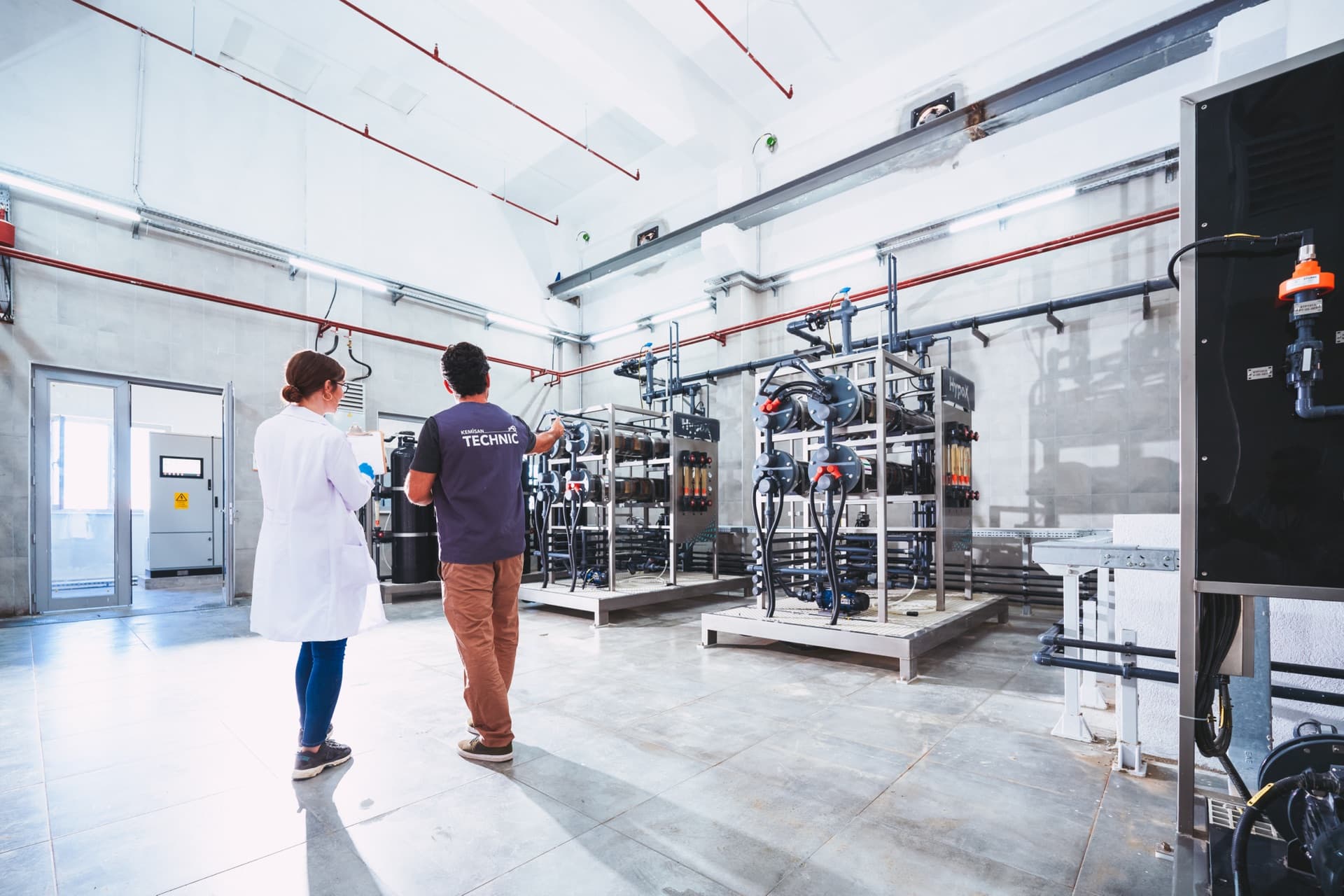
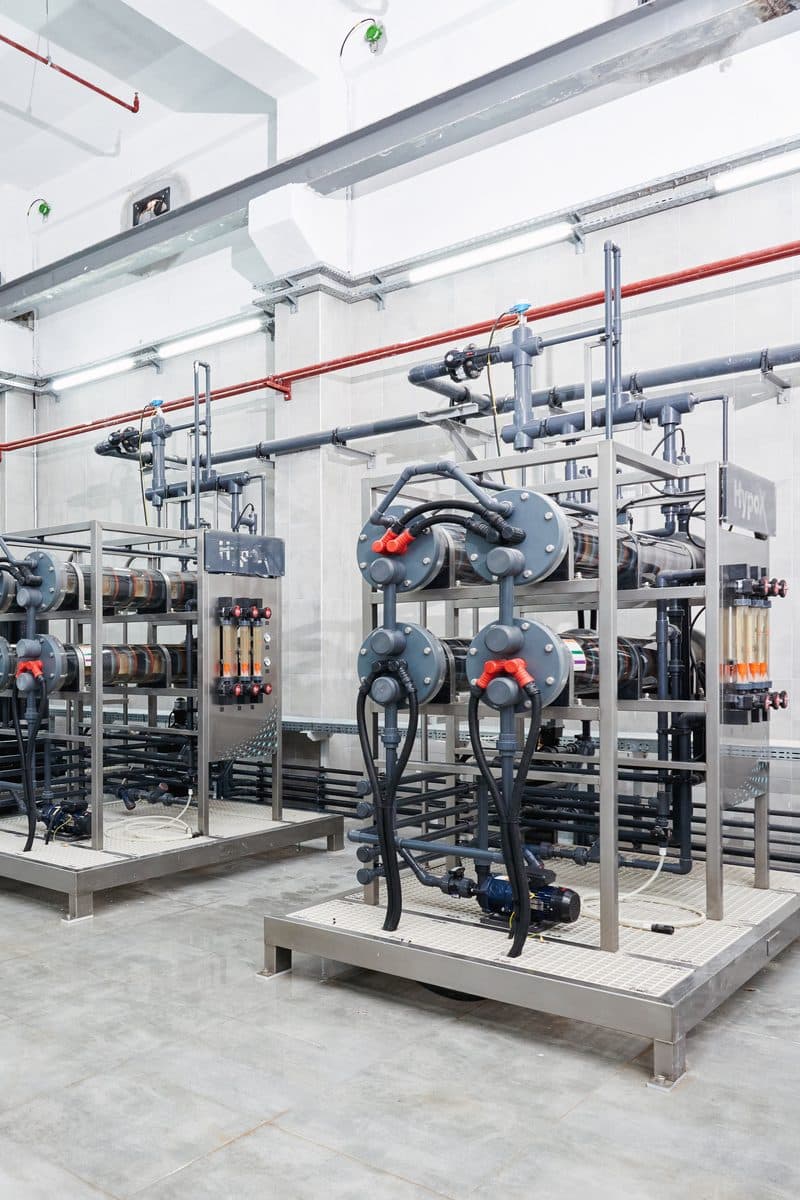
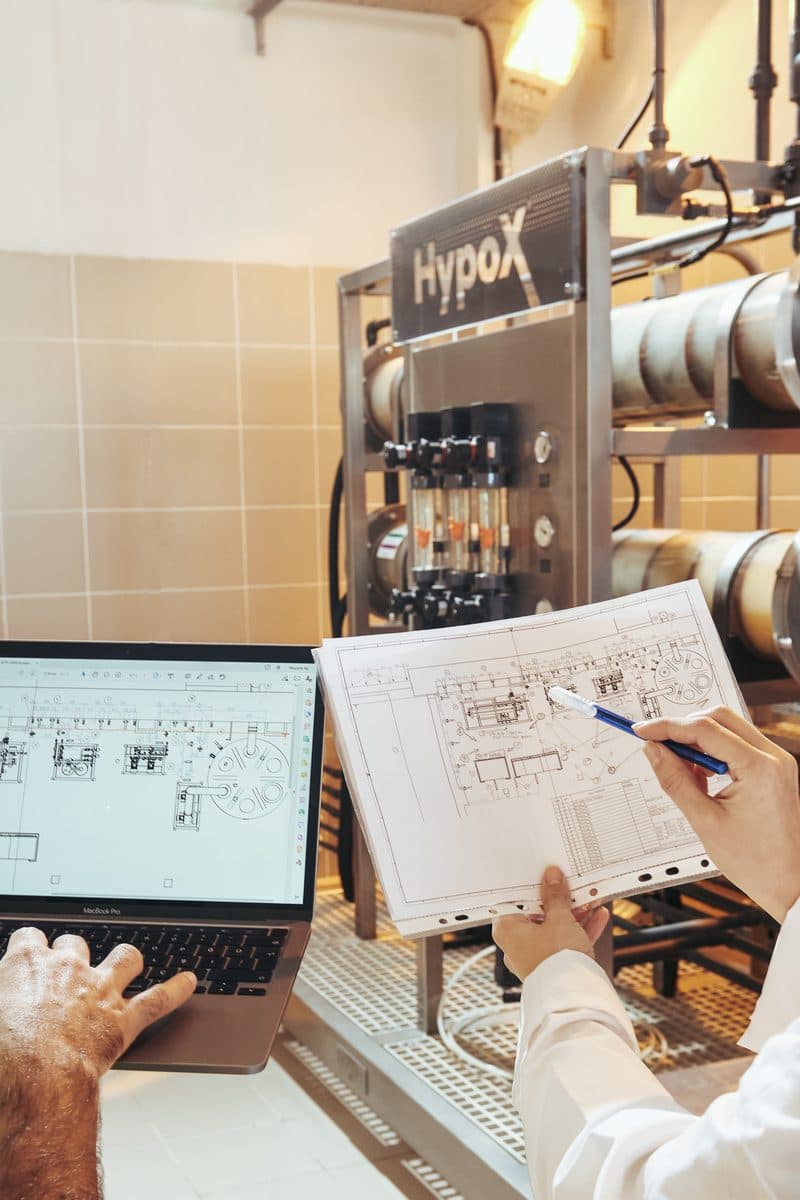
From the first sketch to the production-ready CAD model, every electrolyzer is engineered in-house by our mechanical and process teams to match the exact duty point and footprint of each project.
series
Clearly the Most Advanced Brine ElectroChlorination Plant
LX Series has been designed to go beyond industry expectations and set new standards. It can be fully tailored to specific quality standards, customer project requirements, and equipment preferences, giving you complete control over your setup. It offers wide range of capacities from 5 kg/h to customized solutions for large-scale chlorine requirements.
SS316 Skid Design
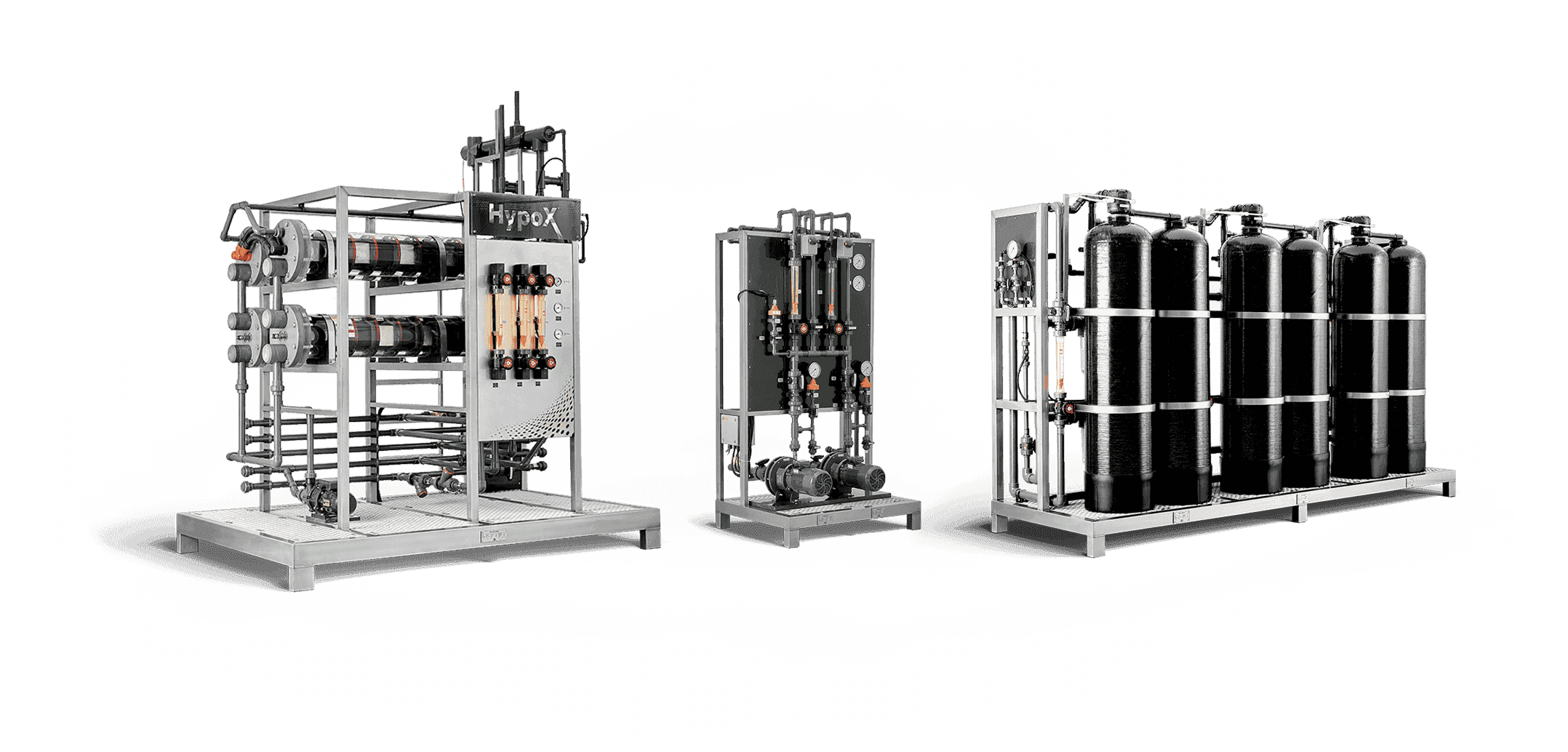
The key feature that sets HypoX LX Series apart from other HypoX models is its modular skid design. Each unit is pre-mounted on its own stainless steel skid, integrating core piping, instrumentation, and cabling. Thus, required instruments can be easily added to the appropriate unit as where you need them.
LX modular skid design allows easy access to all points of the skid, enabling quicker control and maintenance.
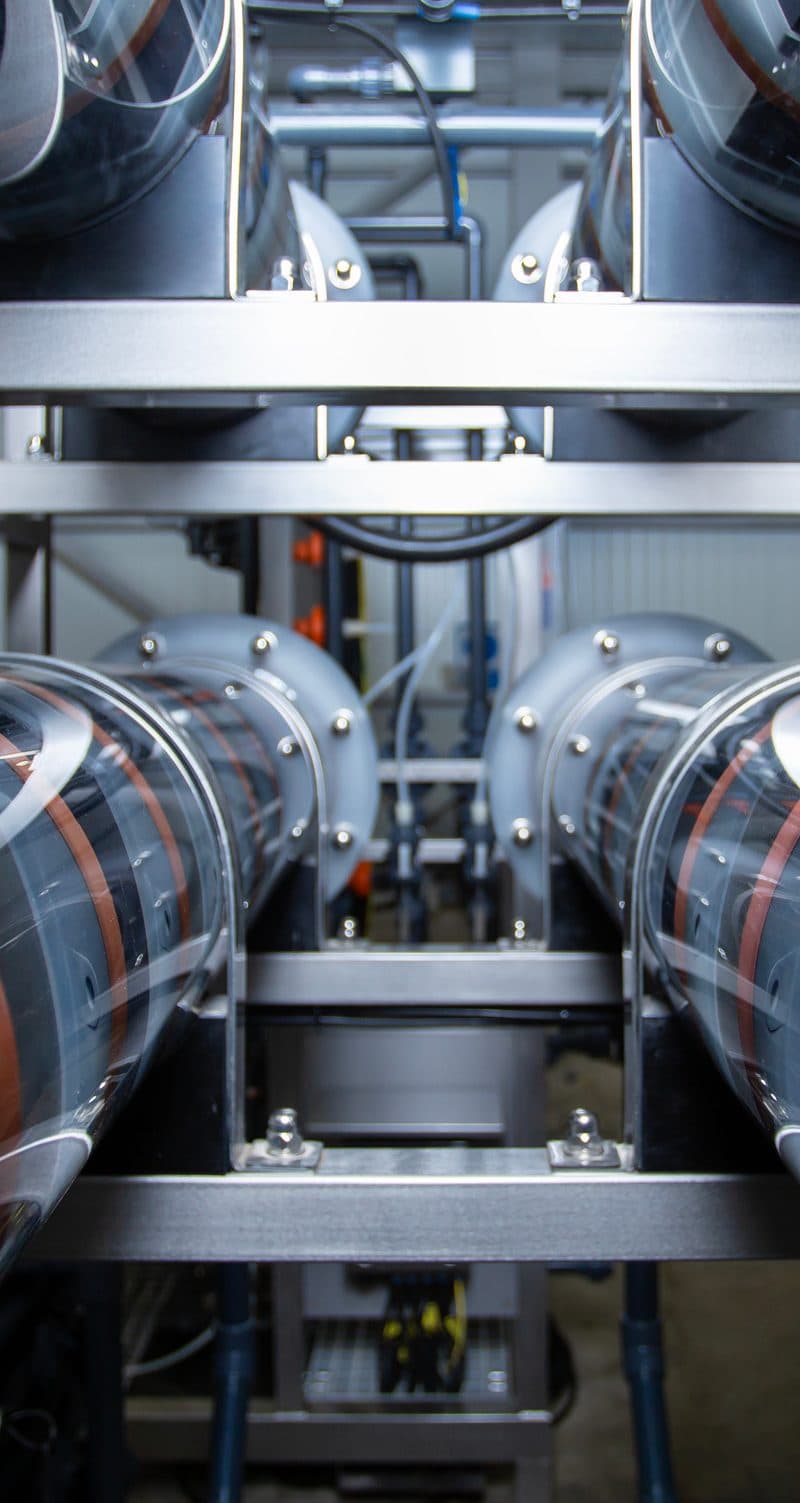
LX skids are built with SS304 stainless steel, with an optional SS316 construction for enhanced corrosion resistance and extended service life.
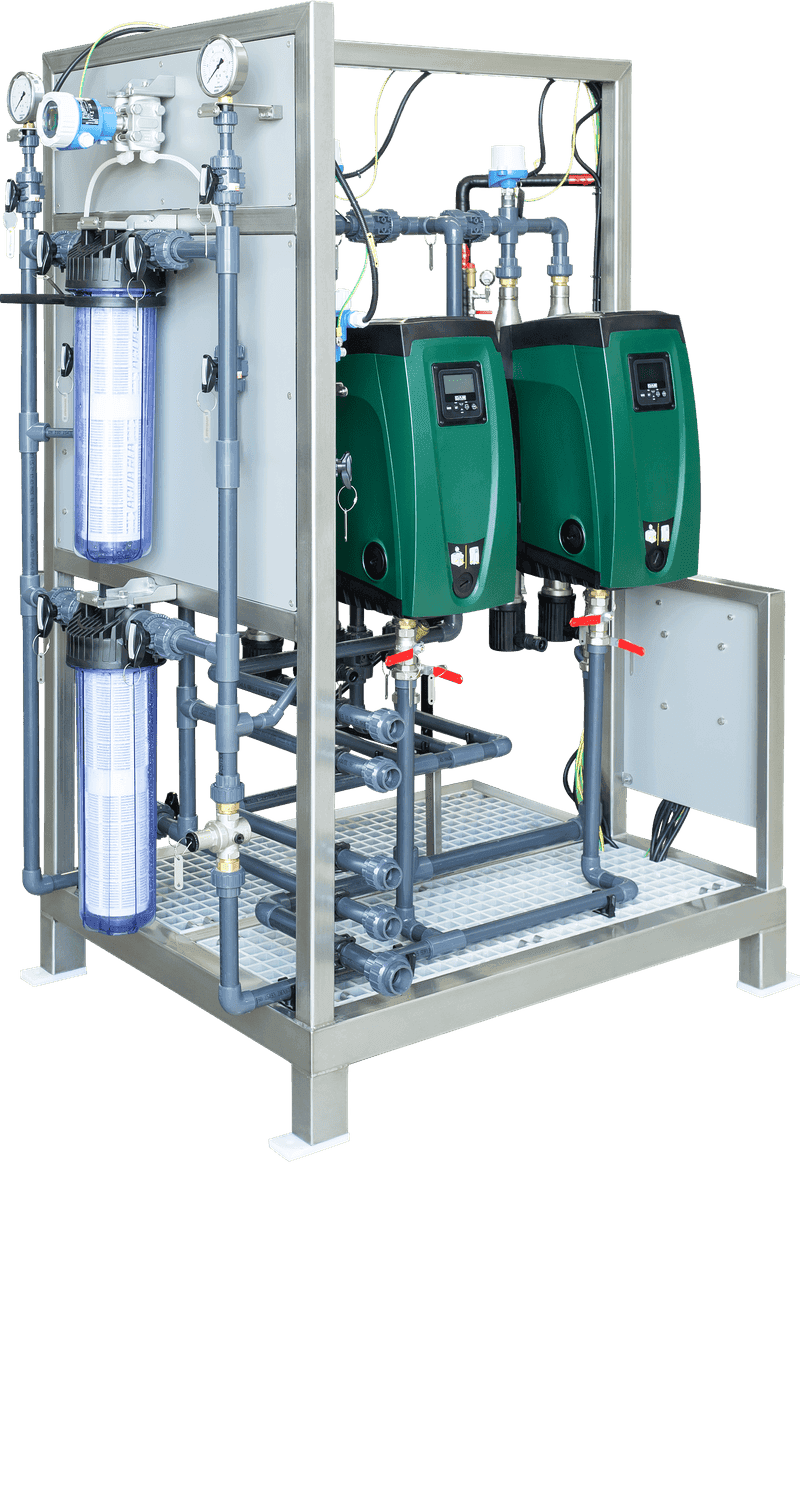
LX equipment is never installed directly on walls or floors. Instead, each unit is mounted on a dedicated skid that includes all required instruments. This skid-based design safeguards the equipment against flooding and minimizes the risk of corrosion.
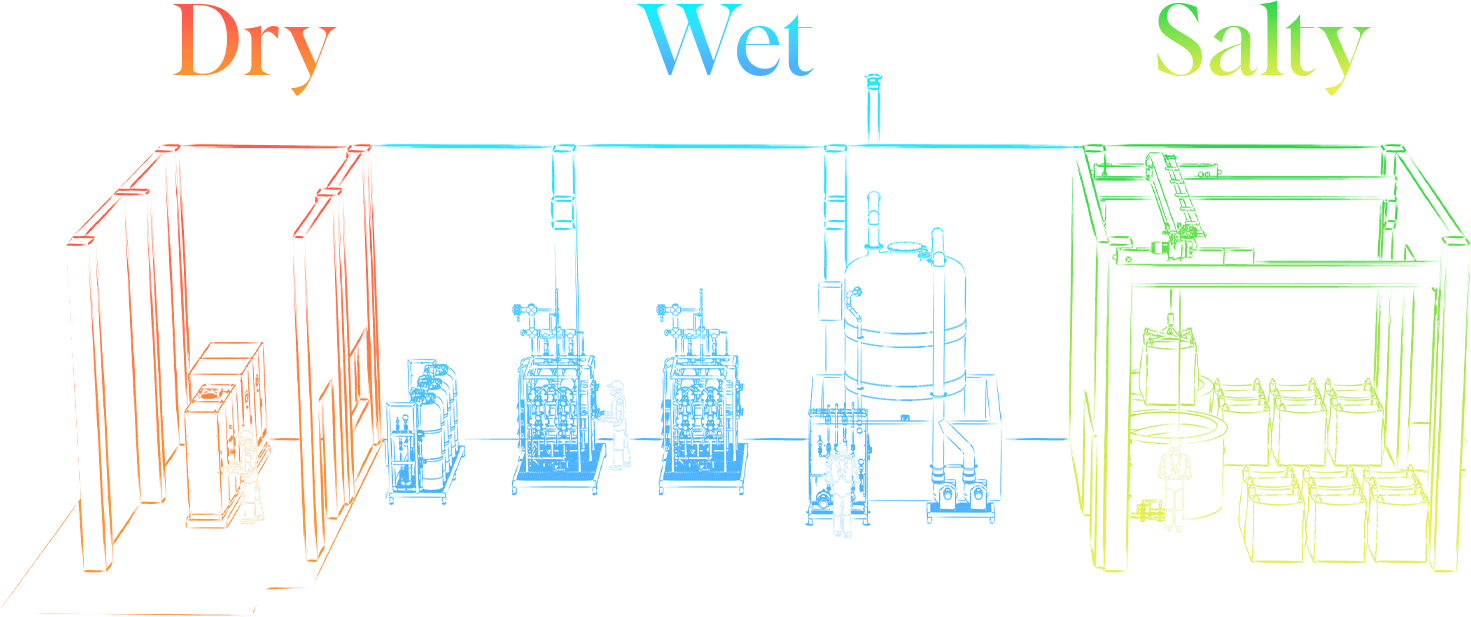
LX Series features a modular skid design that provides clear separation between dry, wet, and salty zones. Critical dry components—such as rectifiers, MCCs, and PLC units—are isolated from wet equipment like electrolyzers, softeners, and pumps, as well as salty units including brine and product tanks.
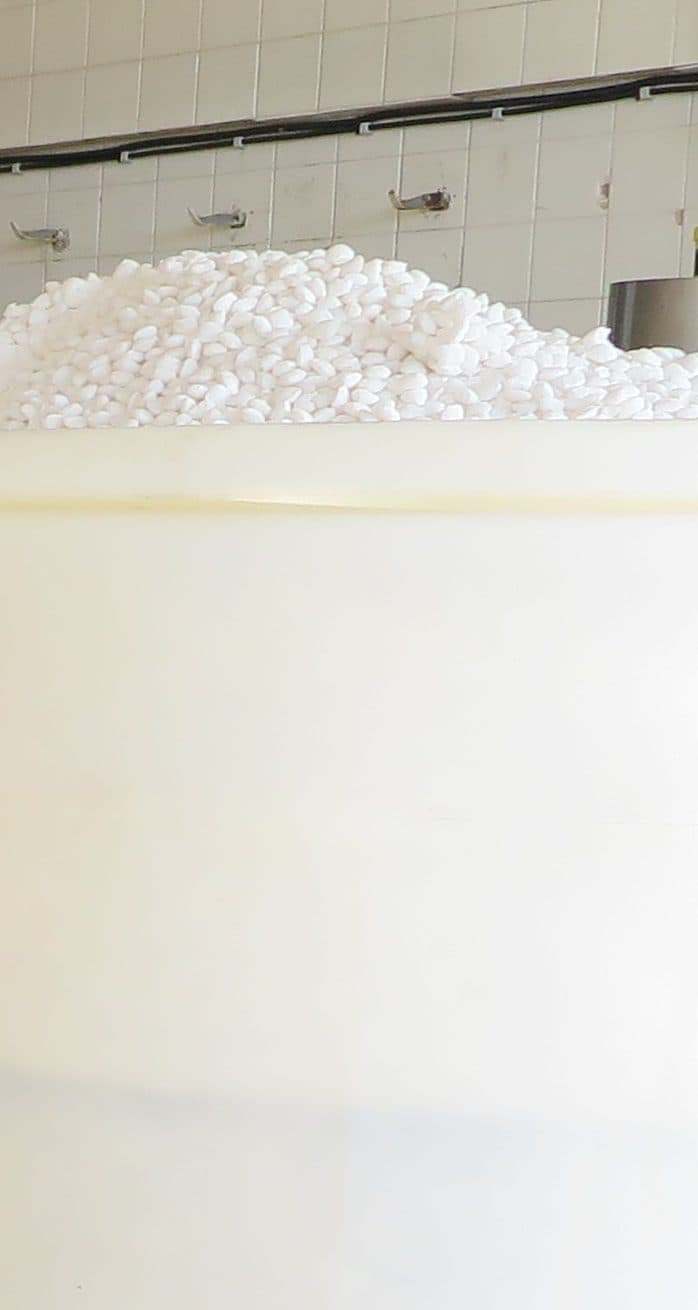
In environments where salt is present, chloride ions combined with humidity cause rapid corrosion on metal surfaces, posing a significant risk to electrical panels, pumps, and sensors. By isolating the salt room, this exposure is minimized, protecting sensitive equipment from damage. This not only enhances system reliability but also significantly reduces maintenance frequency and associated costs.
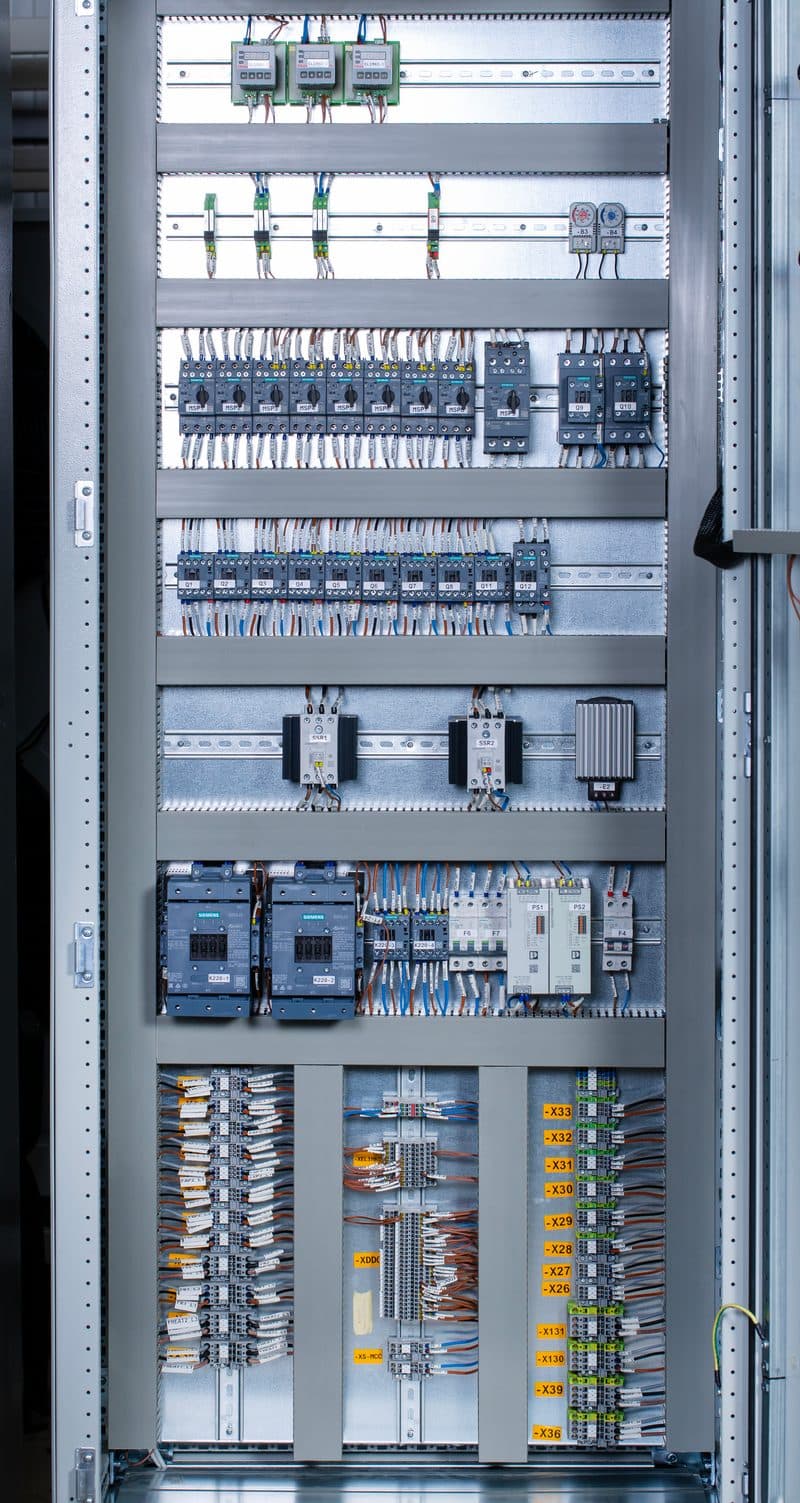
Protect rectifiers, MCCs, PLC units, and other electrical and automation equipment from long-term corrosion caused by humidity and chemicals by housing them in a separated electrical room. This not only extends equipment life and overall plant durability but also enhances safety by physically separating electrical systems from liquid-handling components.

Thanks to separate rooms, you can regulate access to the control room with different authorization levels, thus protecting not only the chlorination process but also the entire plant operation.
That’s Why We Engineered LX Series
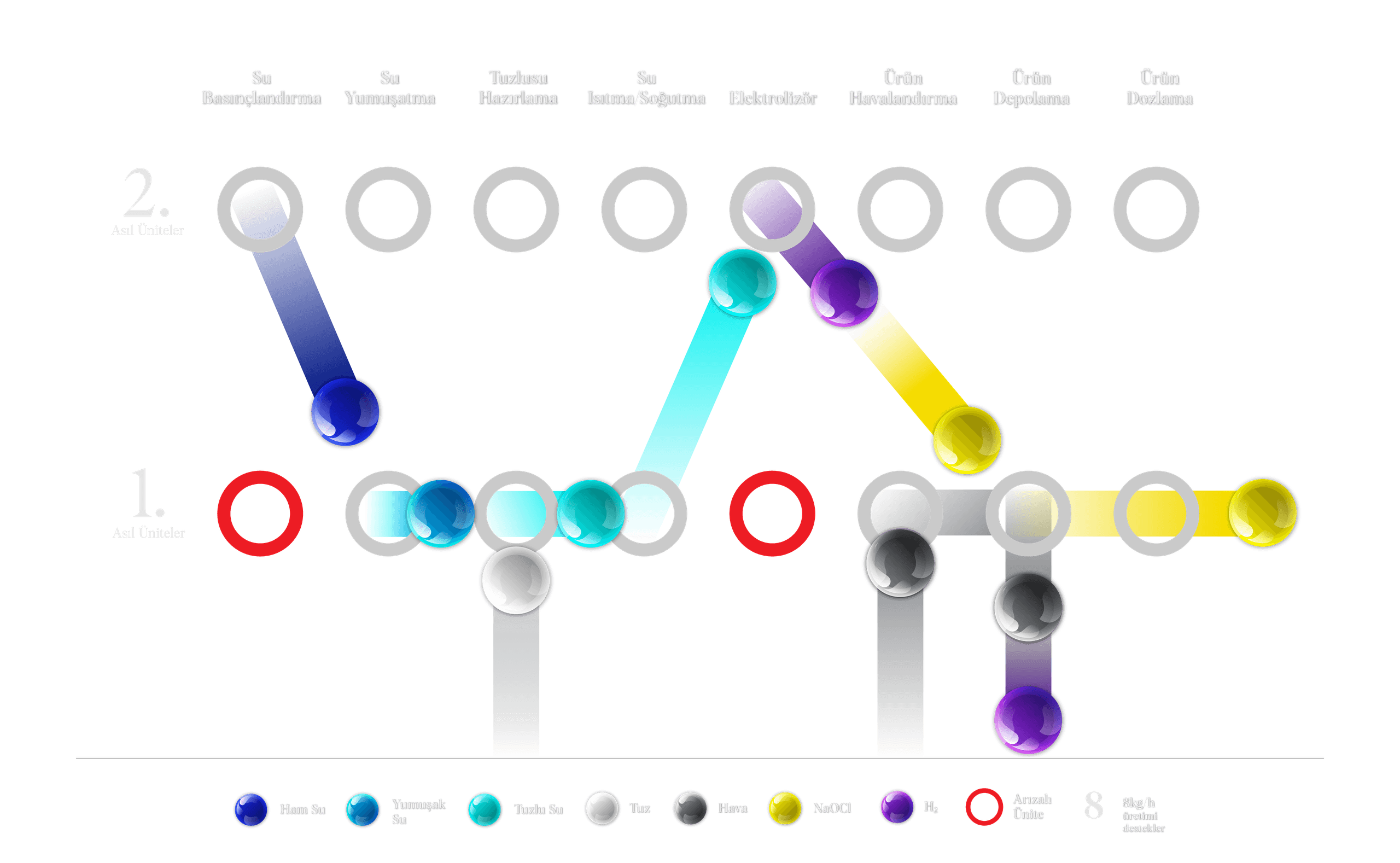
LX Series achieves maximum uptime through two design principles working together: the freedom to spare all units that allows any unit to be backed up independently and Cross-operation design in which sub-units operate interchangeably rather than being chained in a fixed line as in traditional Train designs.
It means that the system only stops if the same unit fails on each line at the same time — reducing the statistical probability of simultaneous failure to an extremely low level. In all other cases, the system maintains uninterrupted full-capacity operation!
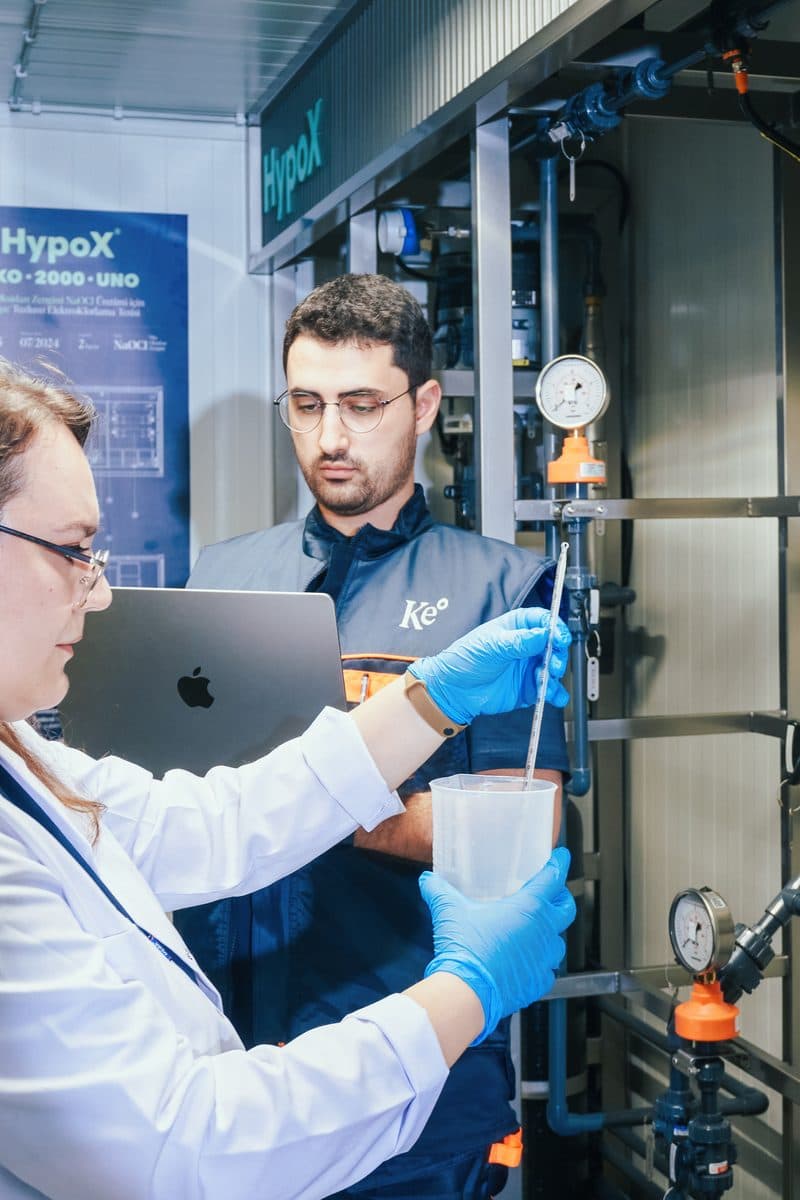
When chlorine production declines, the process doesn't simply lose capacity—it loses continuity. It can compromise disinfection, interrupt plant operation, and create significant operational and financial consequences. The objective is not simply to recover from failures, but to prevent them from reducing production in the first place. LX Cross-Operation is engineered to keep production at target capacity by ensuring that individual equipment failures never become process failures.
One failure can take down the train process design — and even a backup line can only be brought in as an all-or-nothing swap. In a Cross-Operation architecture, any unit can operate with any compatible unit, regardless of the production line; a failure stays contained to that single unit while the process keeps running at full capacity.
A spare train represents a significant capital investment, yet in conventional Train architecture it remains idle until its own line fails. The installed capacity already exists, but the architecture prevents it from supporting the rest of the plant. LX Cross-Operation turns spare capacity into an active production resource. Instead of waiting for a specific failure, every available unit can support any production line whenever required. The result is greater asset utilization, higher plant availability, and improved uptime—without adding more equipment.
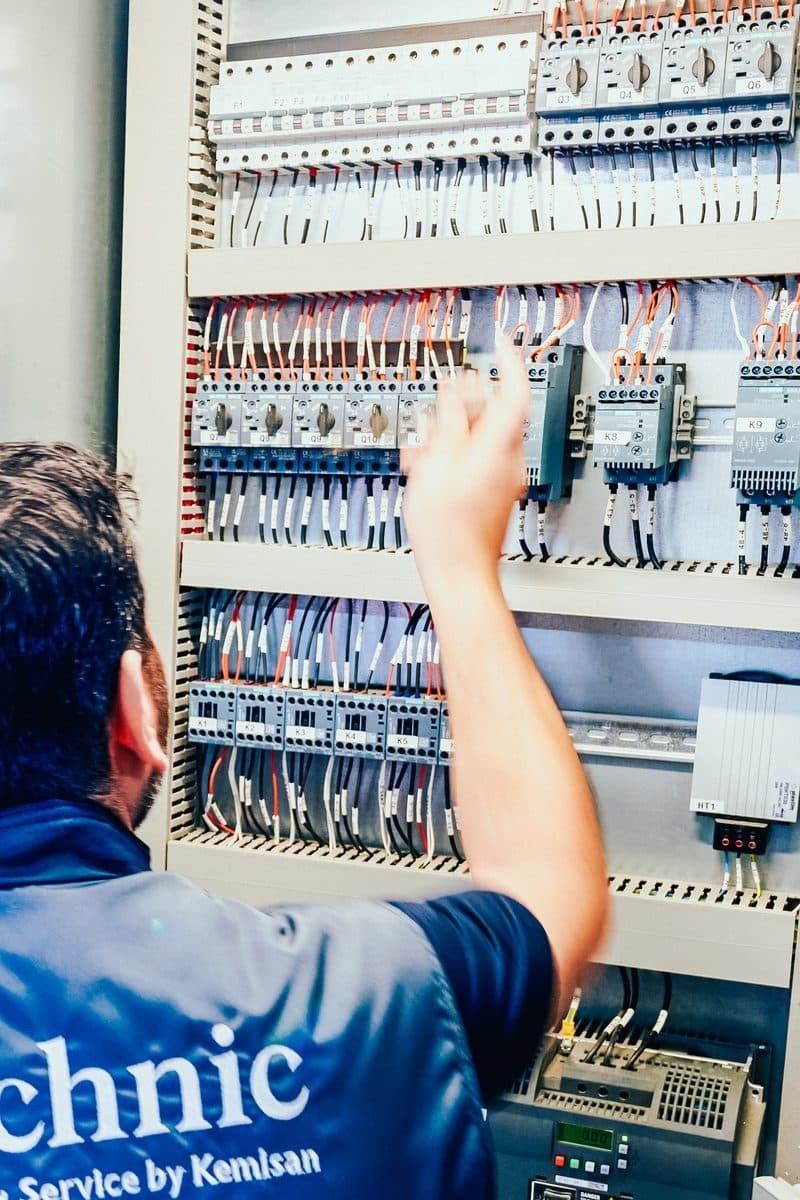
Interchangeable operation is not achieved with valves alone. In LX Series, electrical distribution, control logic, and field instrumentation are engineered for Cross-Operation alongside the process piping. Each sub-unit has independent power feeds, every resource is individually managed by the PLC, and duty is reassigned automatically whenever a failure occurs. True Cross-Operation is not a piping layout—it is a plant-wide architecture spanning process piping, power distribution, instrumentation, and automated control.
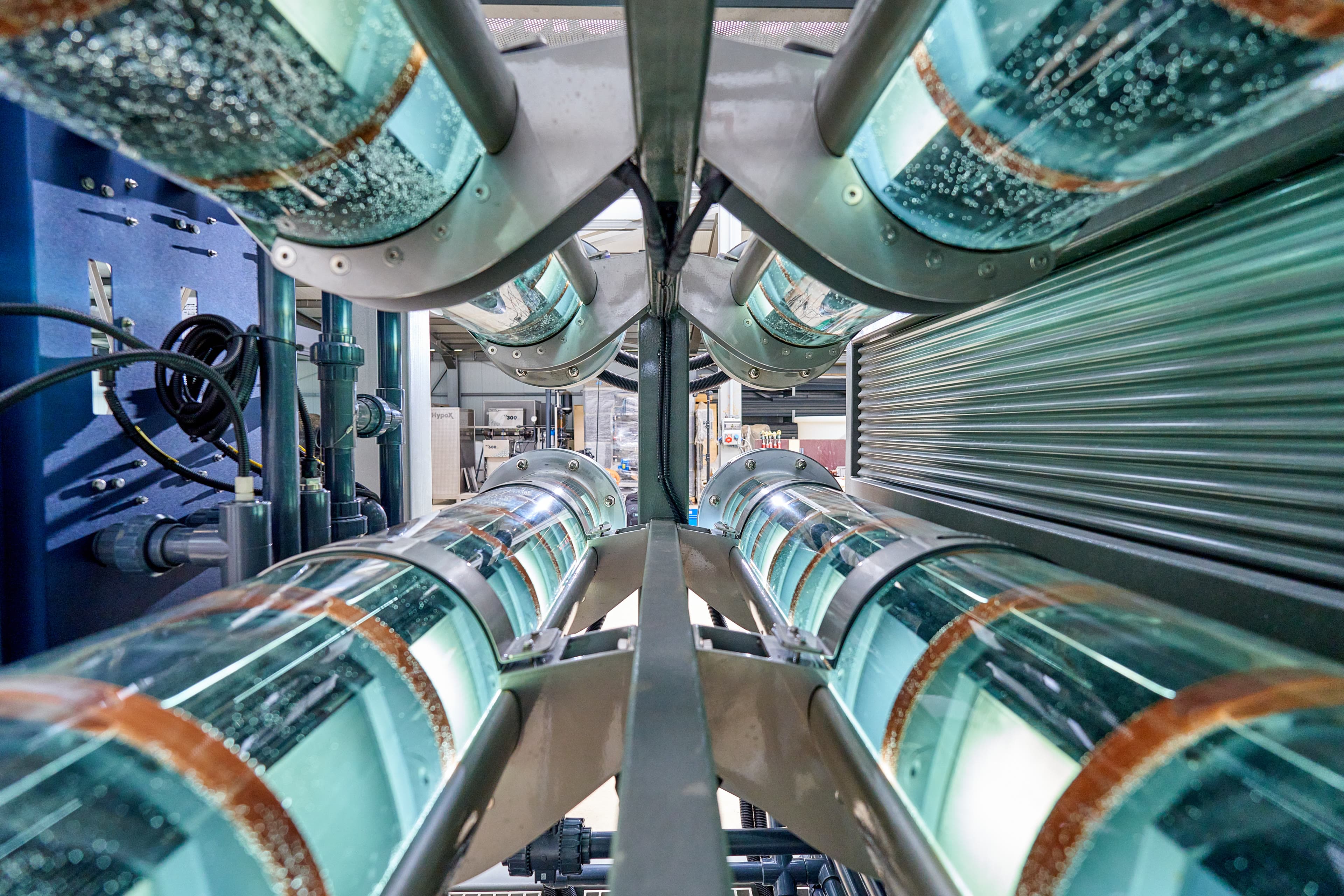
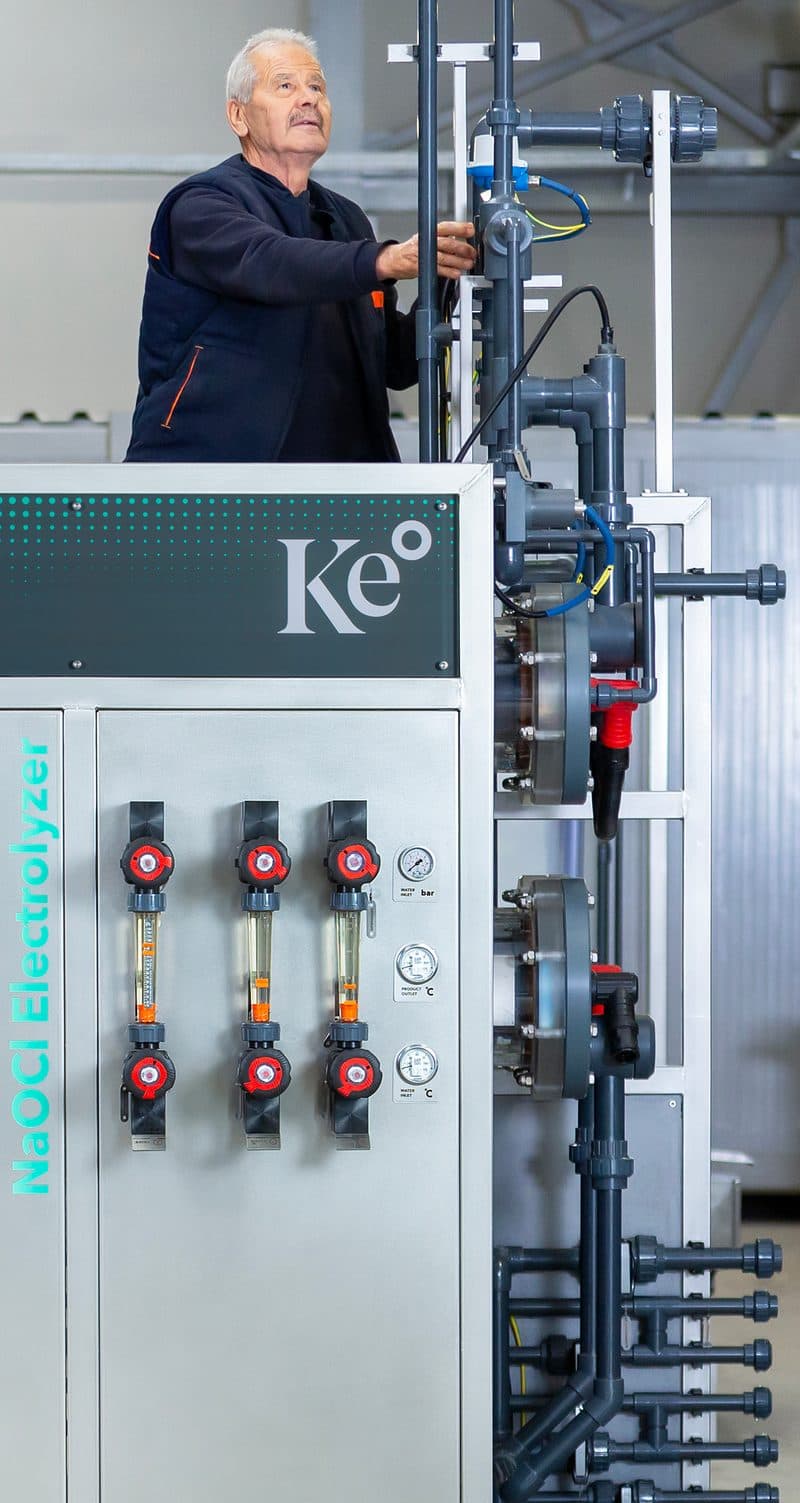
As the heart of electrochlorination systems, the electrolyzer unit represents a unique and highly advanced technology. Manufacturing these cells demands precision engineering, cutting-edge materials, and rigorous quality control to ensure long-term performance, efficiency, and durability.
Kemisan—one of the few true pioneers in this field!
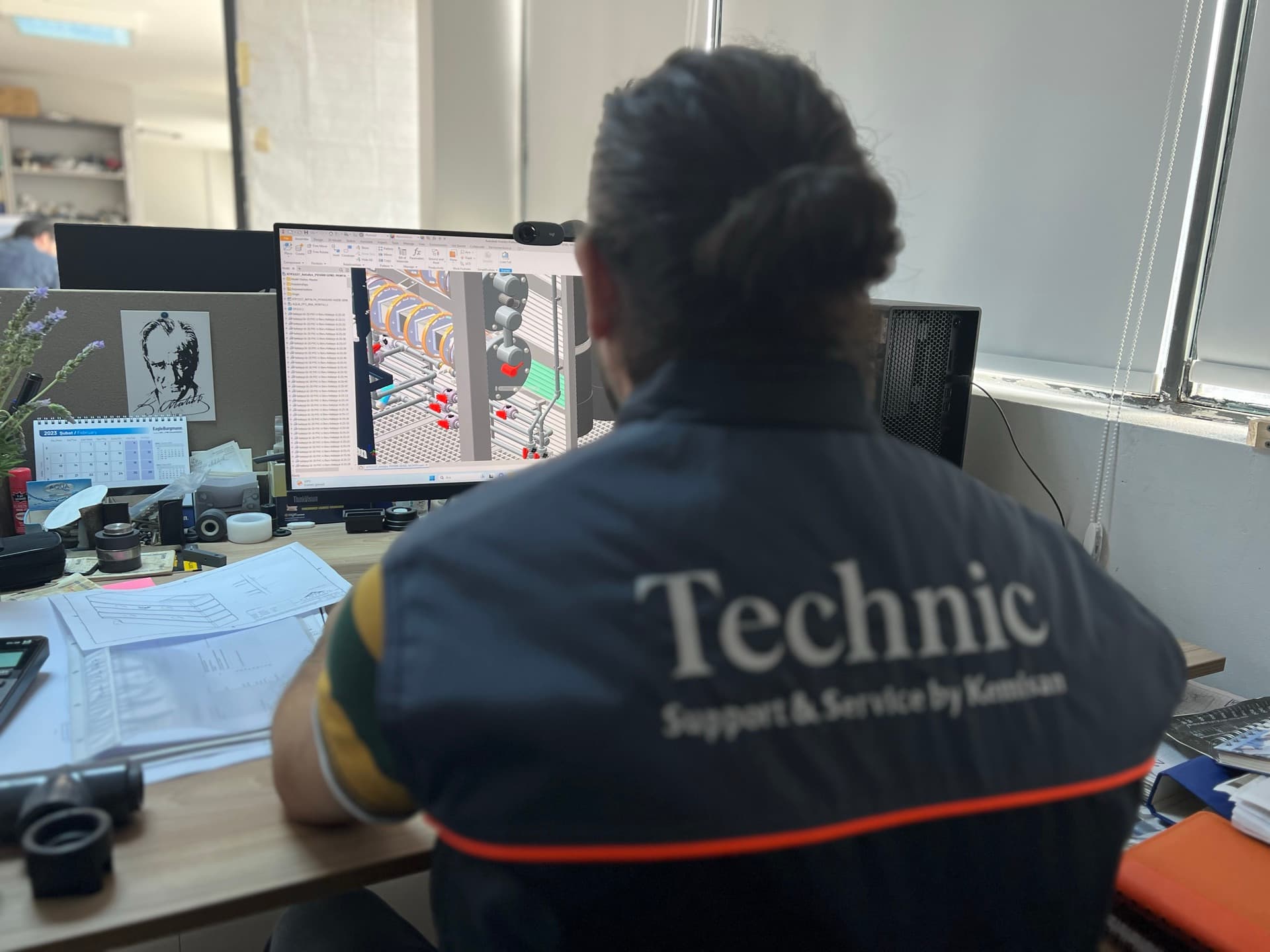
From the first sketch to the production-ready CAD model, every electrolyzer is engineered in-house by our mechanical and process teams to match the exact duty point and footprint of each project.
Our R&D lab continuously develops new electrode geometries and substrate alloys, validating each candidate under accelerated life-cycle tests before it ever reaches a production cell.
The catalytic coatings used on our anodes are developed, manufactured, and applied 100% in-house — leveraging 50 years of expertise to deliver high-efficiency, durable surfaces guaranteed by Kemisan.
Frames, electrodes, gaskets, and bus-bars are stacked and torqued in our clean assembly area, where every cell is fully traceable from raw component to finished module.
Each electrolyzer is wet-tested on our factory rig under nominal current density to certify chlorine output, voltage, and leak-tightness before it is released for shipment.
Performance data from commissioned sites flows back to engineering, closing the loop between field behaviour and the next generation of in-house designs.
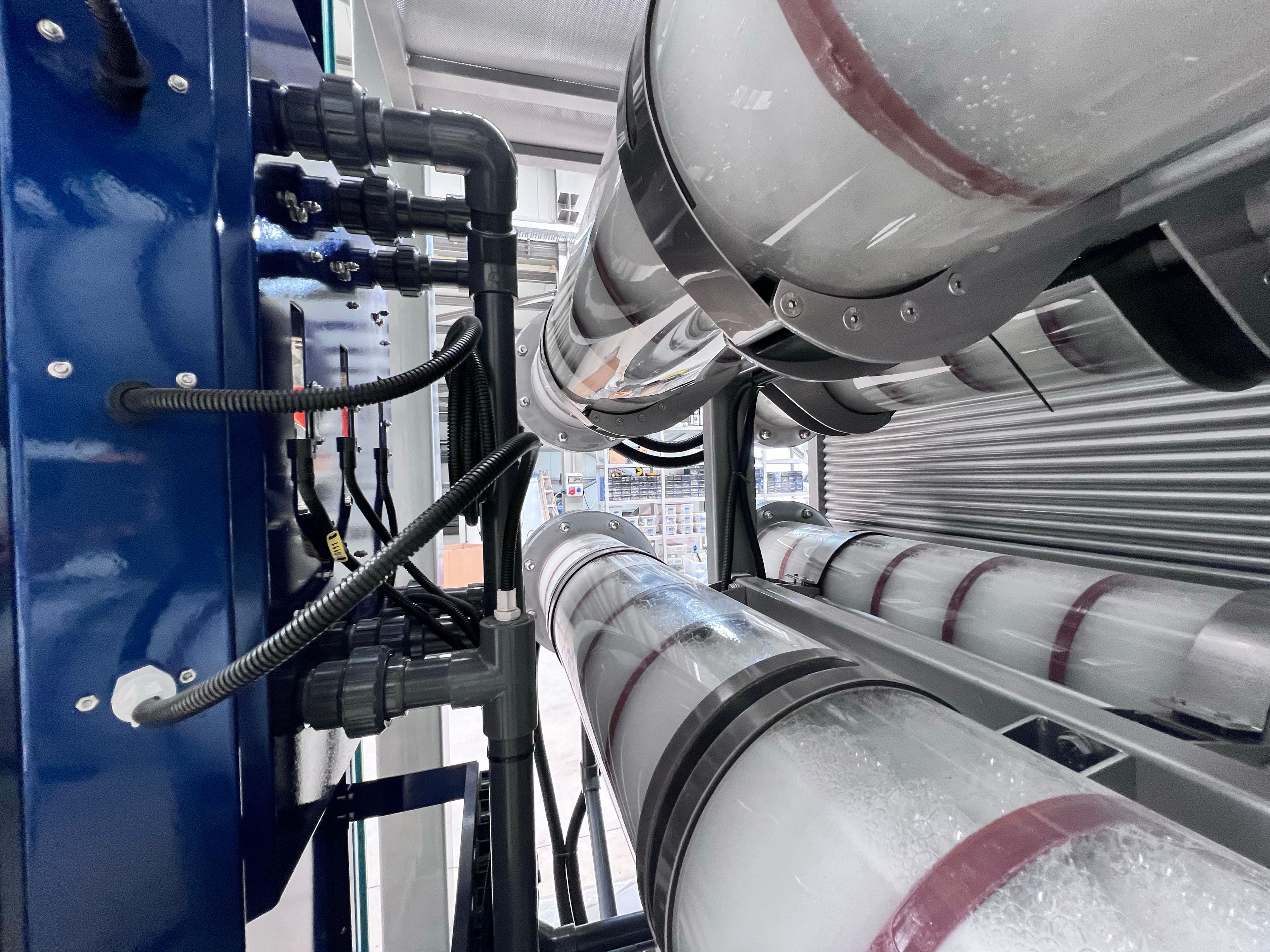
By integrating advanced engineering techniques and innovative technologies, our systems minimize salt & electricity consumption while maximizing performance. Our systems consumes 3,5 kg Salt and 4,5 kW electricity for 1 kg/h (100% Cl2 bases) NaOCl production.
Kemisan offers a 5-year guarantee on its electrolyzer units and electrodes. Additionally, with proper maintenance, the performance will remain as reliable as on the first day.
We design and manufacture our own electrolysis units with its specials coating in-house. Therefore, it's guaranteed by manufacturer, by us. This allows to handle any warranty issues directly—without involving third parties—ensuring faster response times and a hassle-free experience for our customers.

LXO
LXO is the advance Mix-Oxidant Rich NaOCl generator as it produces the most effective form of NaOCl with 0.5-0.6% concentration with updated catalyst coatings and process parameters by using salt, water & electricity.
LXH
LXH is the standard On-site Sodium Hypochlorite Generator which is well known as OSG. This model produces 0.8% NaOCl with standard MMO electrode coating and process parameters by using salt, water & electricity.
Electrode scaling is inevitable—but managing it shouldn’t be hard. Over time, minerals like calcium and magnesium build up on electrodes during electrolysis, impacting efficiency. That’s why every electrochlorination system requires regular acid cleaning.
HypoX® makes this process effortless for you. With its fully automated cleaning cycle and integrated safety features, HypoX® keeps your system running at peak performance—no manual work, no worries.
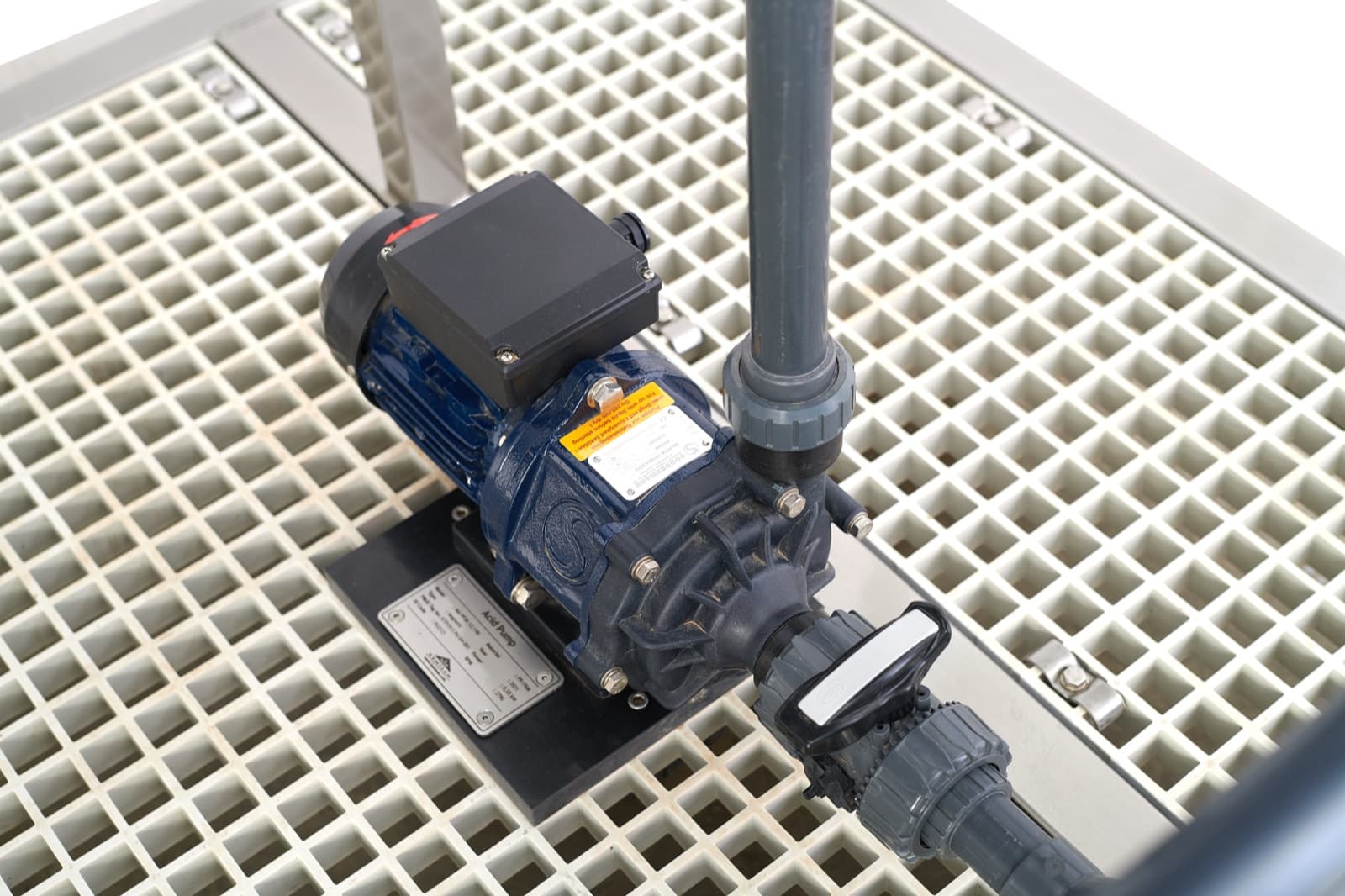
Unlike conventional systems that rely on external acid cleaning trolleys, HypoX® LX Series features a fully integrated acid cleaning system built directly into each electrolyzer unit. This means that the acid circulation pump, piping, fittings, and instrumentation are all pre-installed—eliminating the need for mobile units and simplifying the cleaning process.
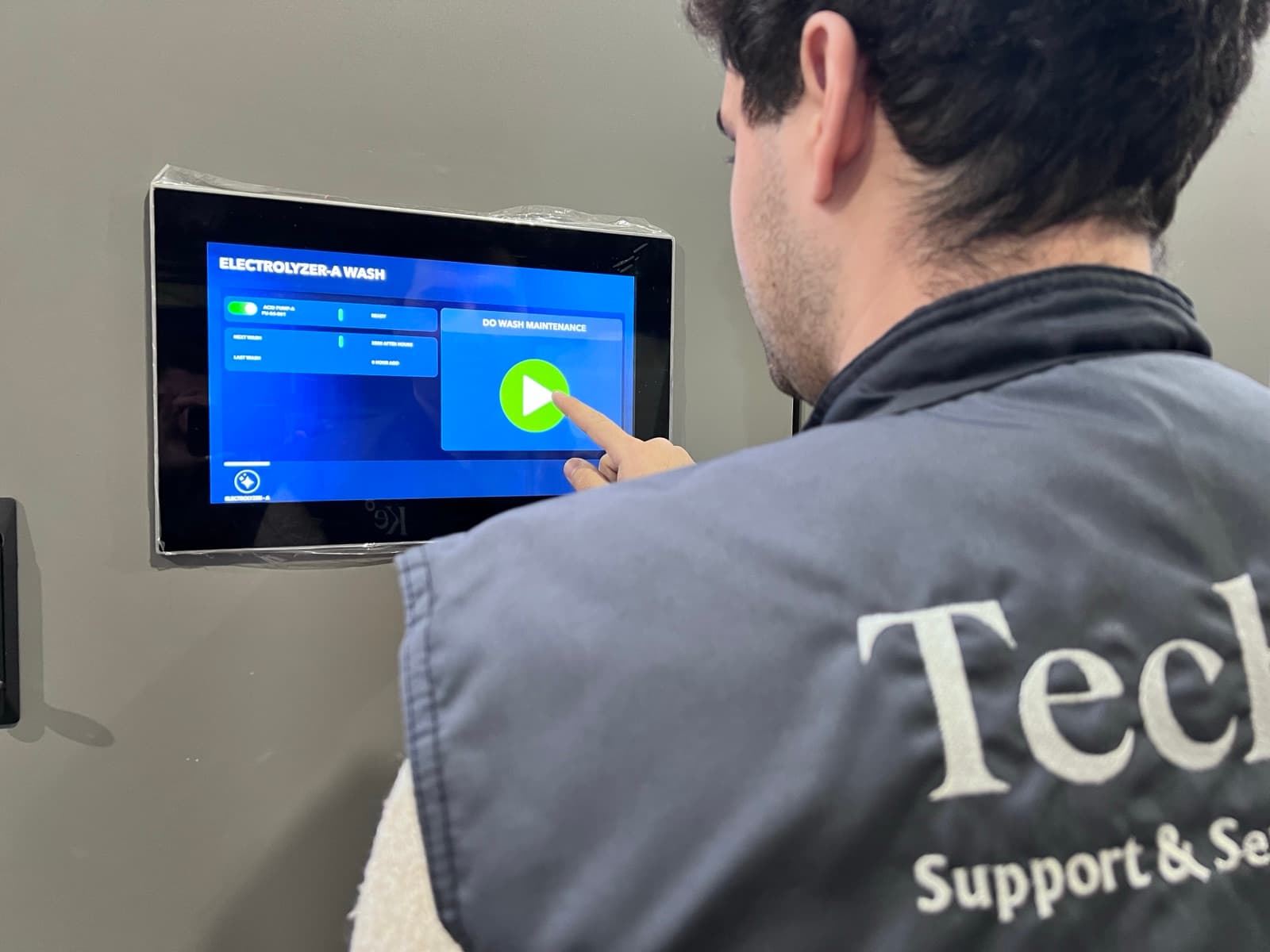
HypoX® LX Series offers fully PLC-guided cell cleaning maintenance, replacing the fully manual setup and operation of mobile cleaning trolleys. This ensures a much simpler and failure-free maintenance process—even for operators with minimal experience.
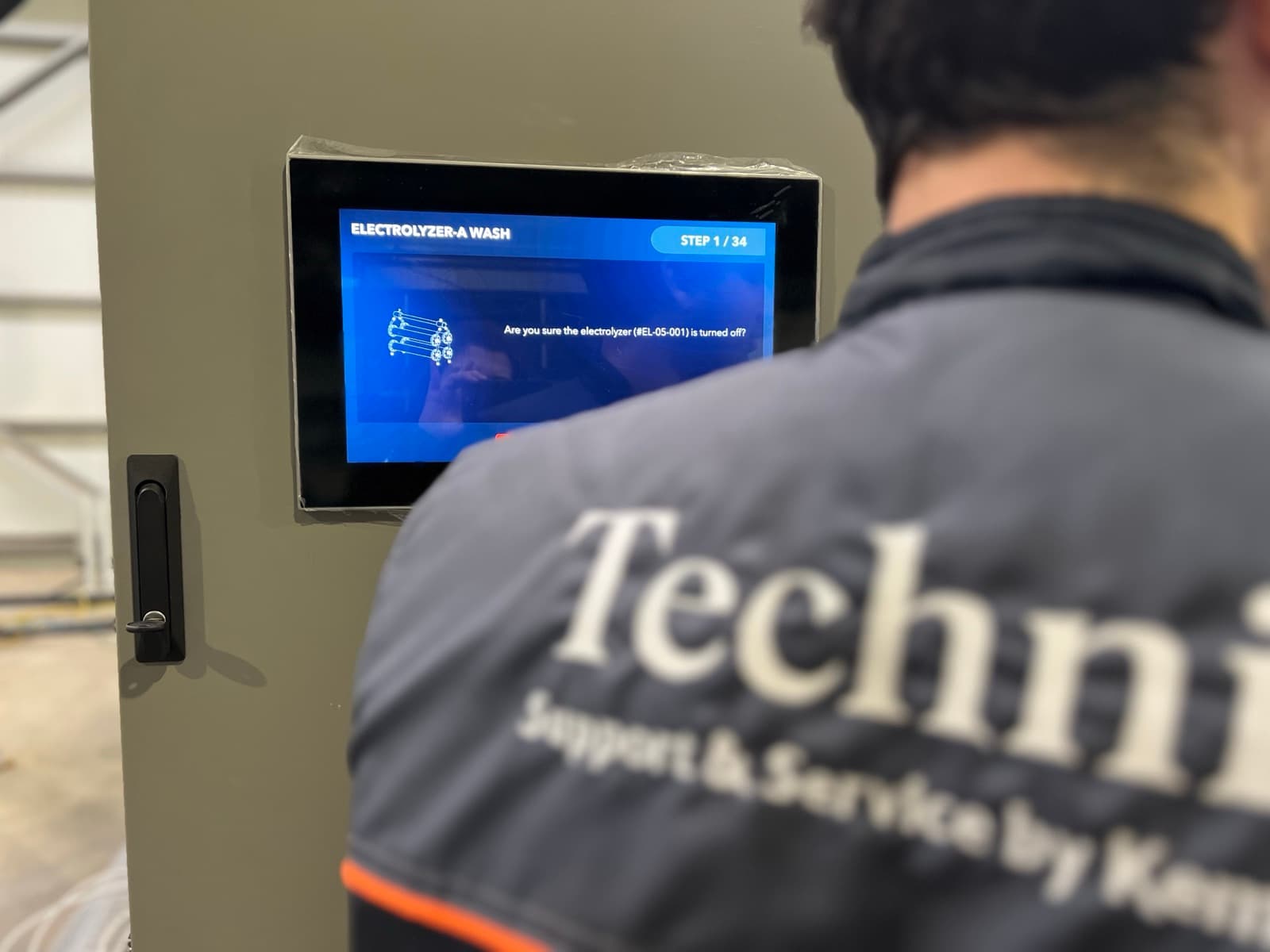
Preparing a 5% acid solution in a trolley and transporting it on wheels filled with acid is not safe for operators. In contrast, the fully integrated, non-mobile acid cleaning system of the HypoX® LX Series ensures maximum safety, making it the safest solution in the industry.
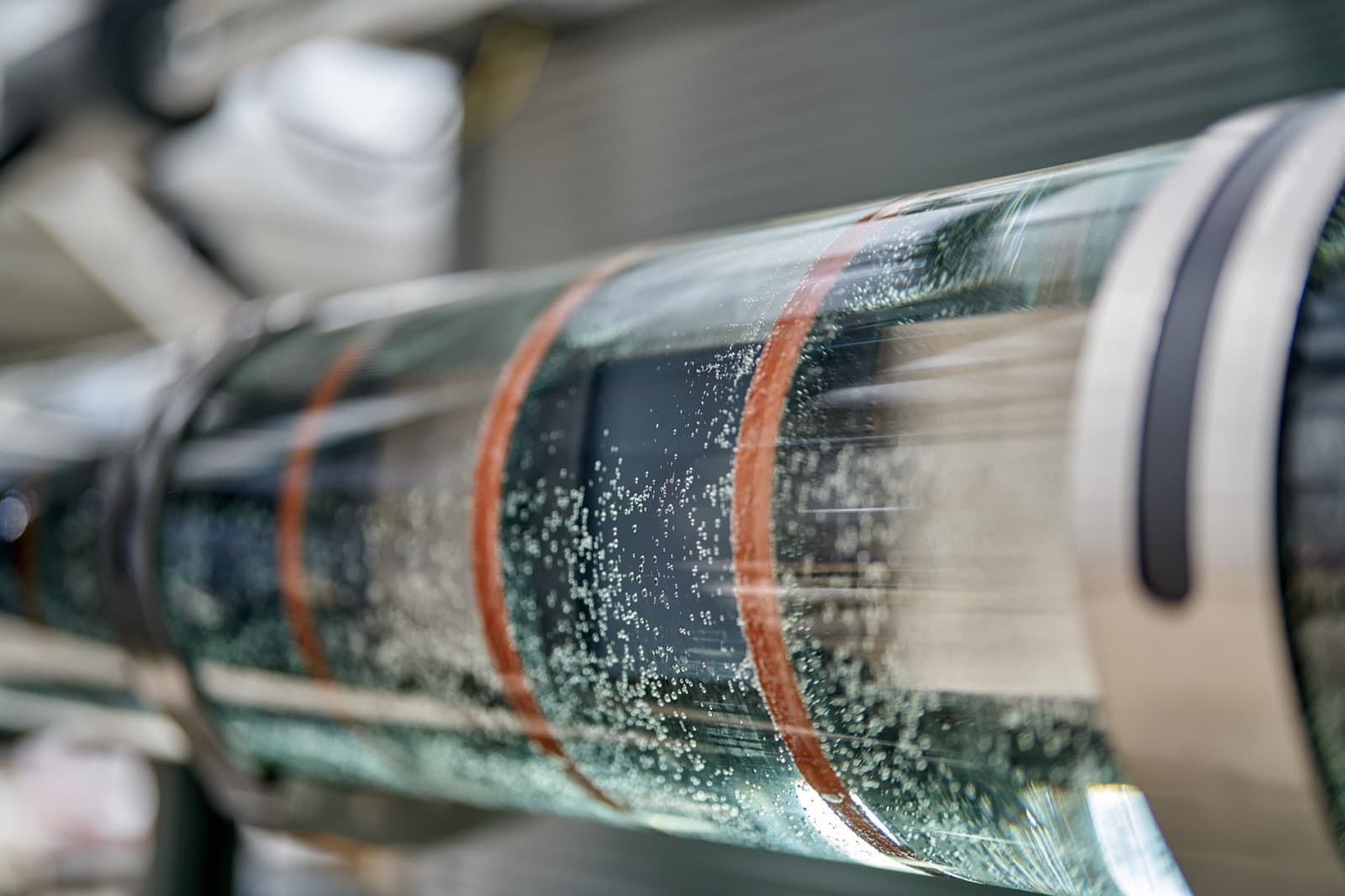
The transparent cell design of HypoX® electrolyzers allows operators to clearly observe calcification buildup, enabling them to decide when to clean the cell promptly and without delay.
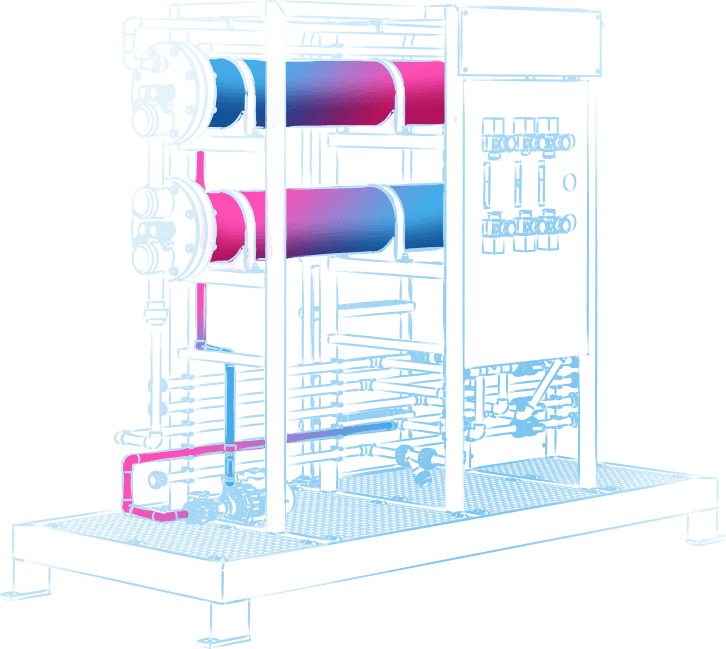
The integrated cell cleaning system delivers a fully automated maintenance process with acid pumps, piping, fittings, and accessories. Designed for safety and simplicity, it provides a reliable and user-friendly cleaning solution for electrochlorination systems – particularly ideal for single-cell setups and operations where periodical cleaning is sufficient.
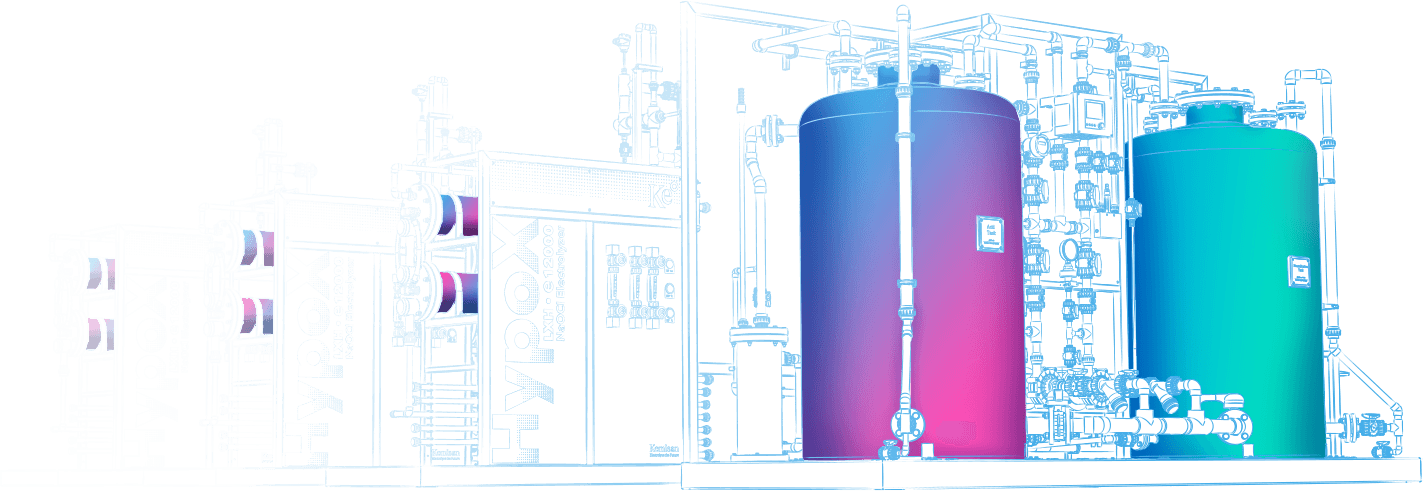
The central cell cleaning system is fully integrated and automated with acid pumps, piping, and fittings, but stands out with its built-in acid tank. This innovative feature eliminates repetitive acid handling and significantly reduces acid consumption through multiple reuses. As a result, it is the ideal solution for facilities using raw salt that require frequent cleanings, as well as for projects designed for multi-cell cleaning. In addition, it can be equipped with a neutralization system for clients seeking a hassle-free approach to acid waste management.
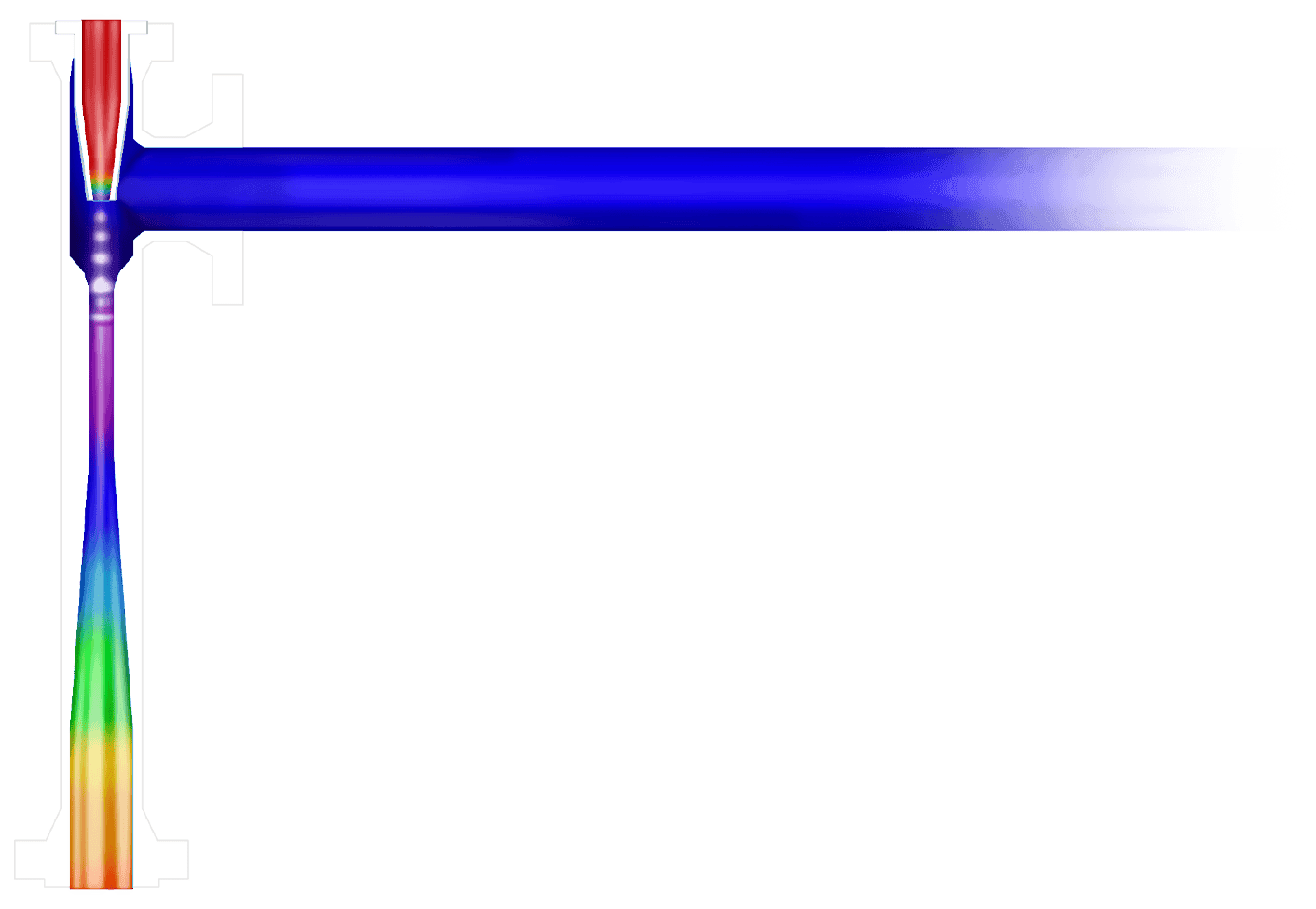
Perfection comes through simplification. Unlike most electrochlorination systems that rely on pumps, HypoX uses a lifetime-guaranteed ejector design for brine dosing. This innovative system eliminates common issues with diaphragm pumps, reducing maintenance costs and complexity. By removing pumps and their moving parts, HypoX ensures reliable, cost-effective, and effortless brine dosing.
Don't underestimate the periodic maintenance and short life-time of diaphragm brine dosing pumps. Jet Eductor® has fewer moving parts compared to diaphragm pumps, which reduces wear and minimizes maintenance requirements over time.
With lower maintenance and operational costs, Jet Eductor offers a more economical solution in the long run. Also, Jet Eductor's design is less susceptible to clogging, which means fewer blockages that can lead to costly malfunctions.
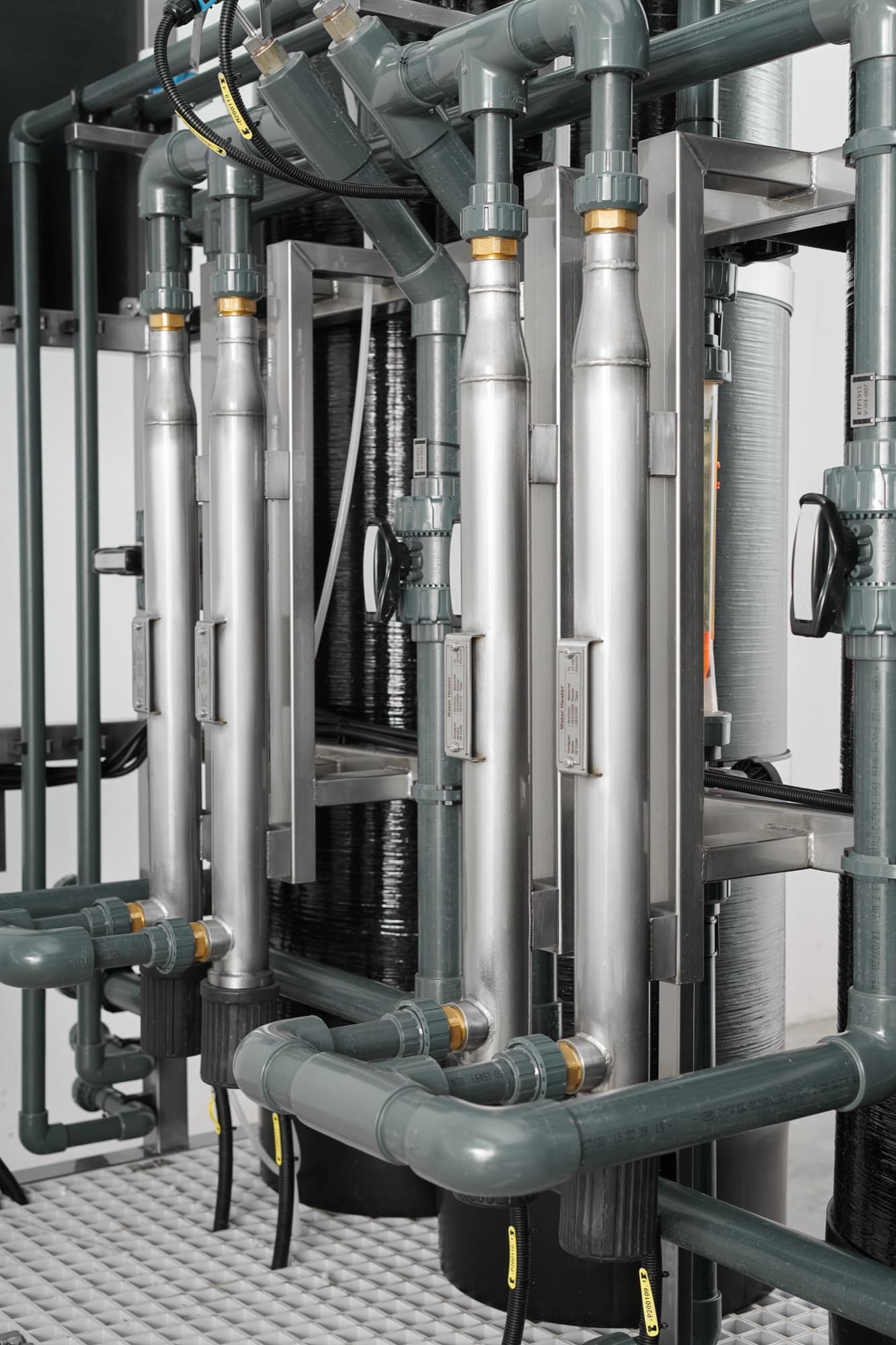
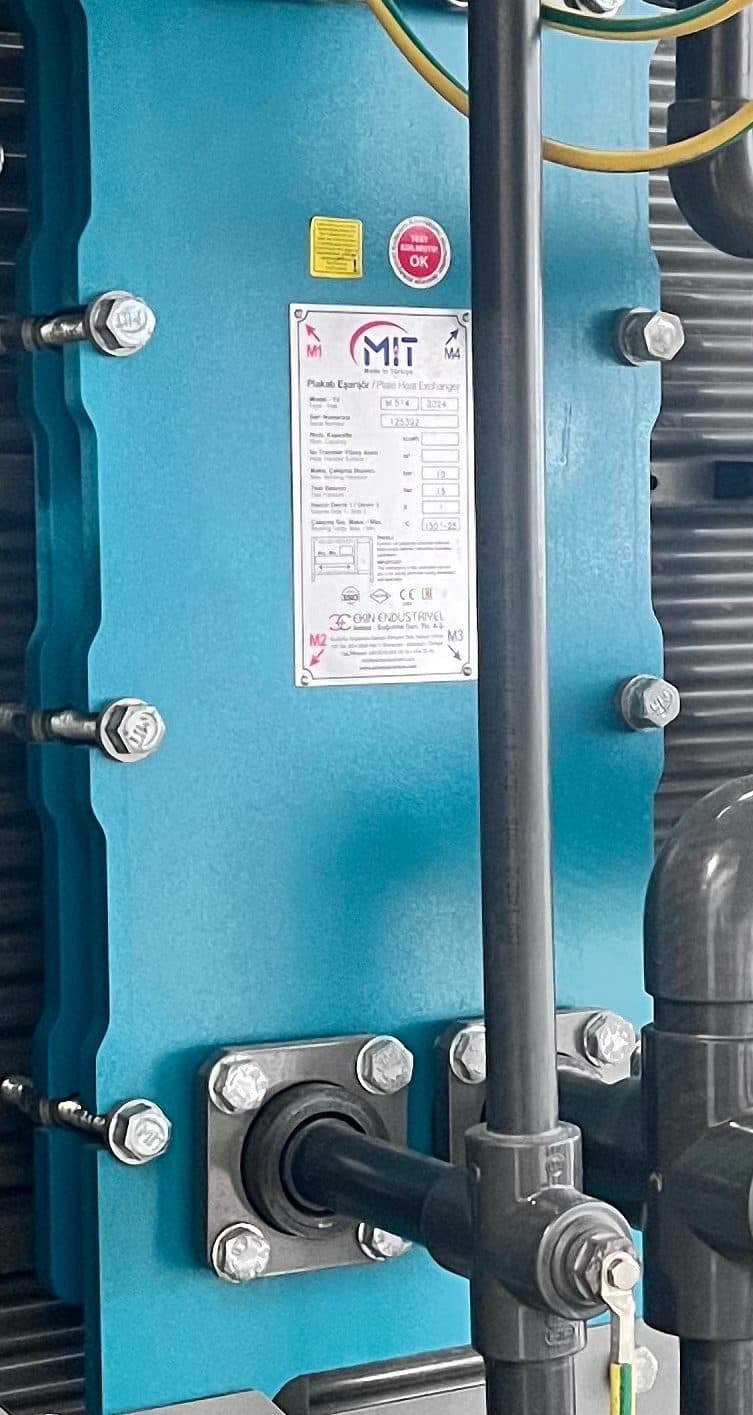
While on-site chlorine production through brine electrolysis is typically more cost-effective than purchasing from external sources, secondary factors such as water heating can significantly impact overall cost savings.
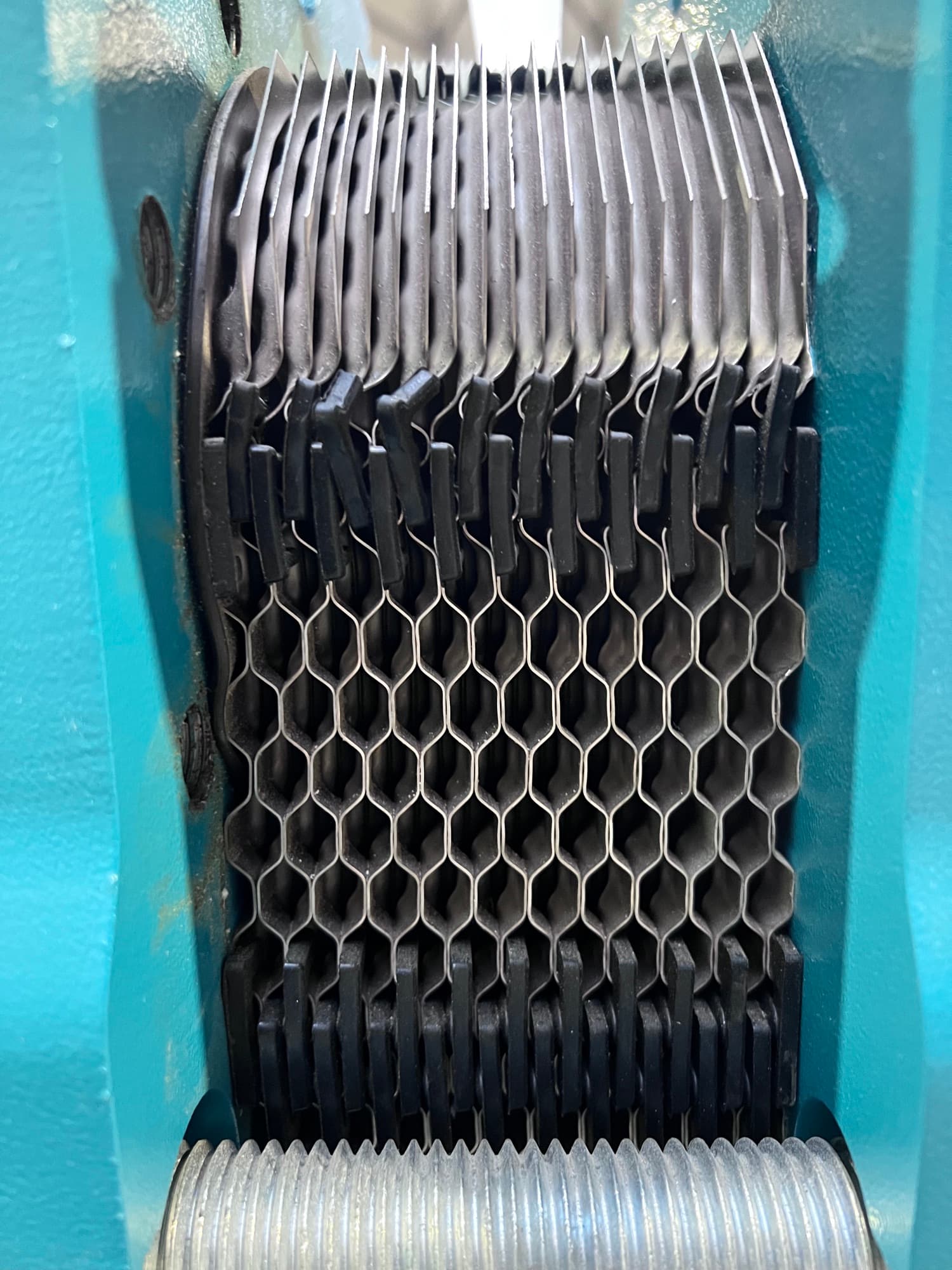
To address this challenge, Kemisan developed HypoX® LX Series, featuring an integrated heat exchanger that utilizes the temperature of the end product to heat softened water.
LX modular skid design allows easy access to all points of the skid, enabling quicker control and maintenance.
LX skids are built with SS304 stainless steel, with an optional SS316 construction for enhanced corrosion resistance and extended service life.
LX equipment is never installed directly on walls or floors. Instead, each unit is mounted on a dedicated skid that includes all required instruments. This skid-based design safeguards the equipment against flooding and minimizes the risk of corrosion.
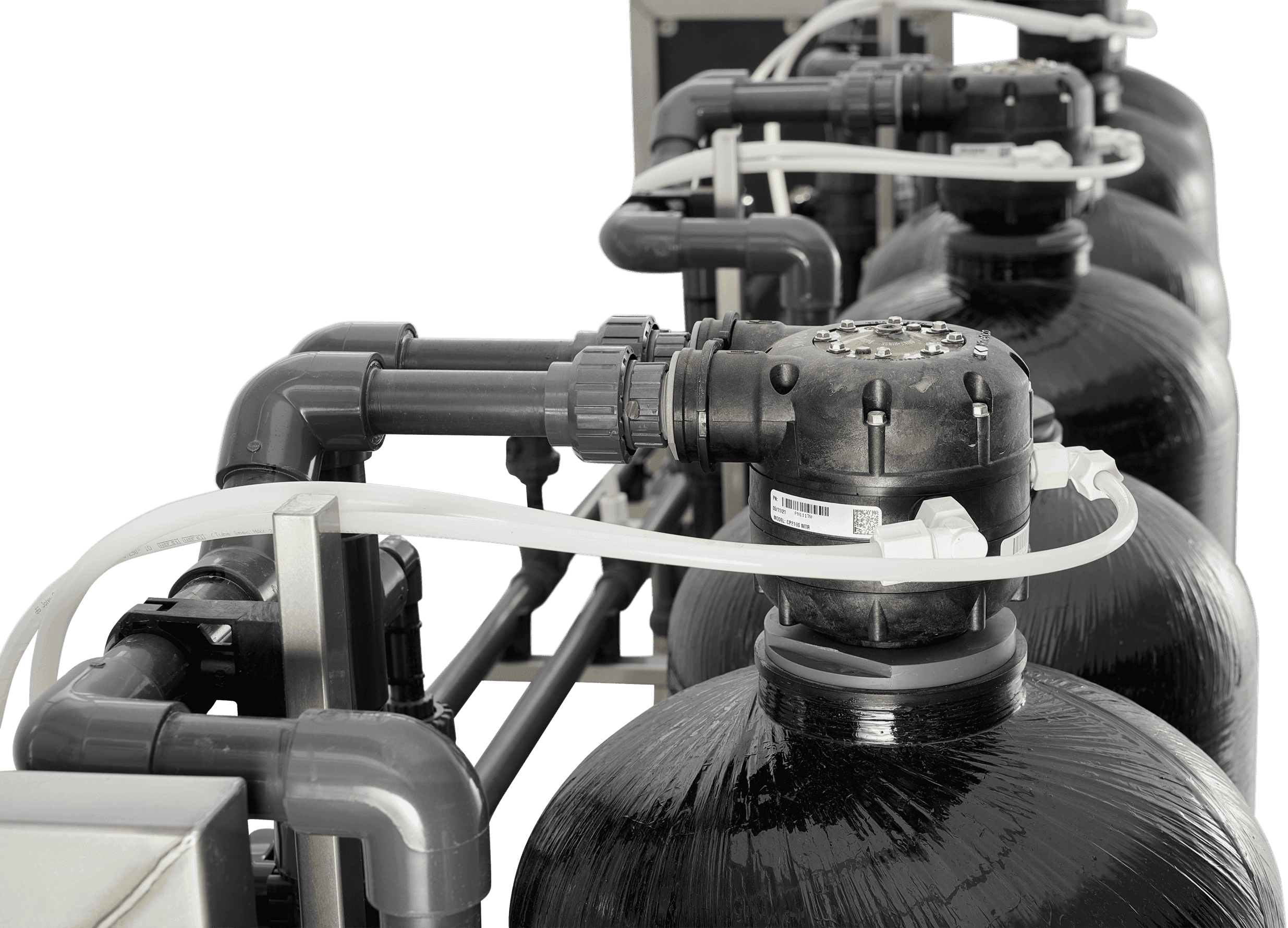
Instead of an electrical softener controller, Kemisan provides a mechanical (non-electrical) softener controller that eliminates breakdowns caused by a single trip on an electronic controller. Equipped with a single mechanical controller head and twin resin tubes, the process keeps running while the resins regenerate.
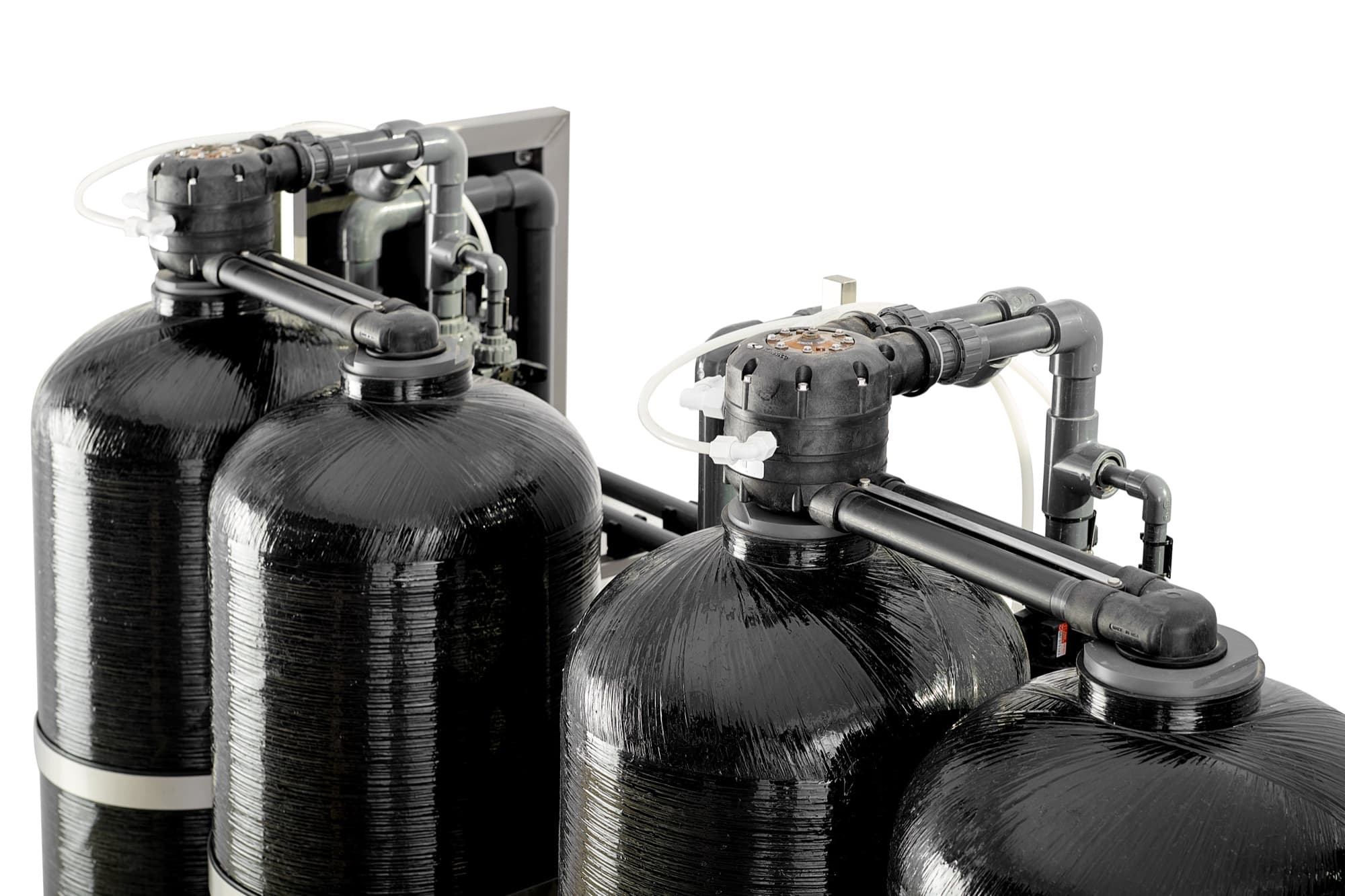
Non-electrical softeners experience fewer breakdowns compared to their electrical counterparts. This translates to fewer operational interruptions, ensuring your electro-chlorination plant runs smoothly and efficiently.
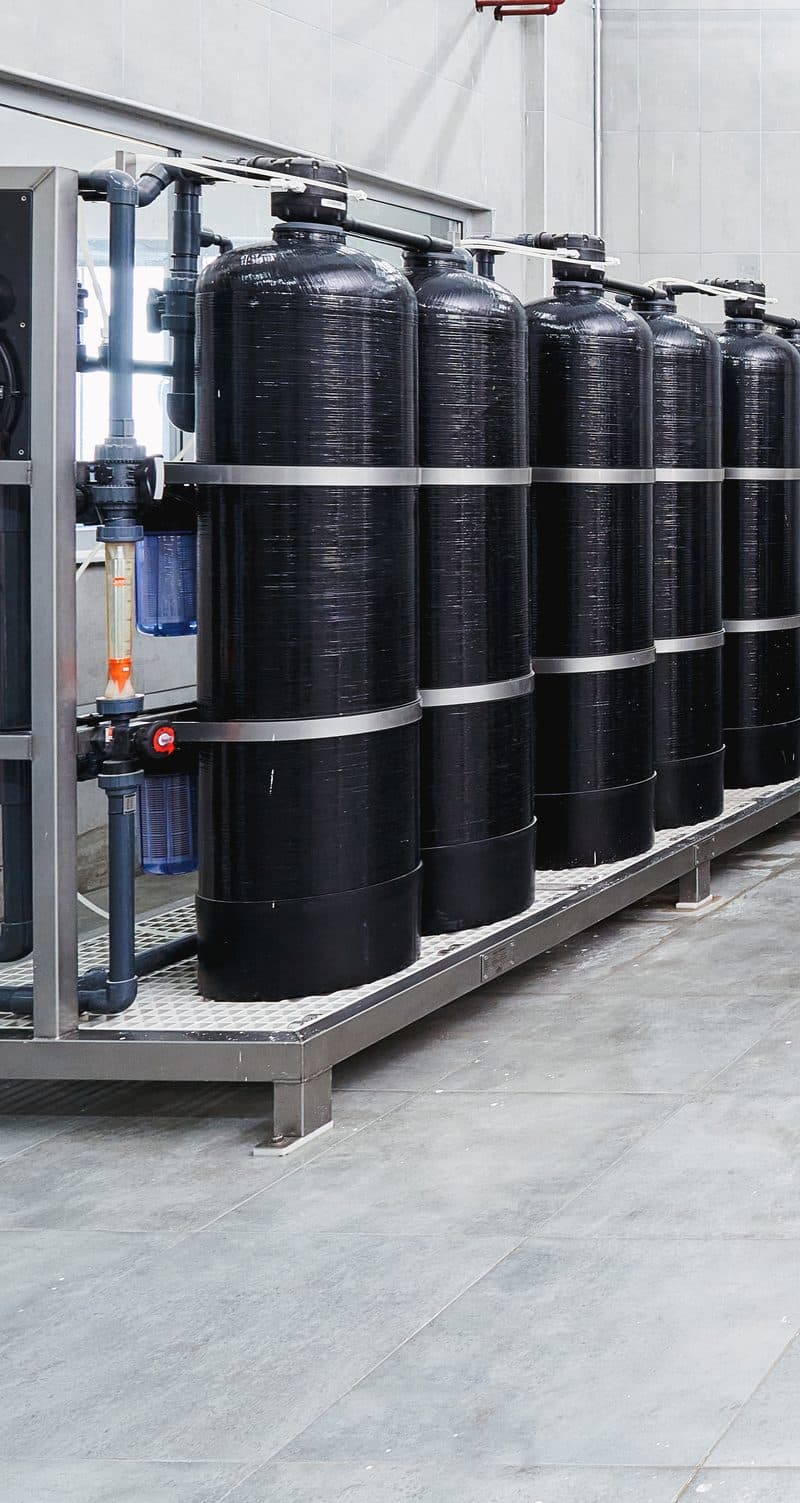
With fewer moving parts and a simpler design, non-electrical softener requires minimal maintenance. This not only lowers maintenance costs but also allows your team to focus on more critical tasks.
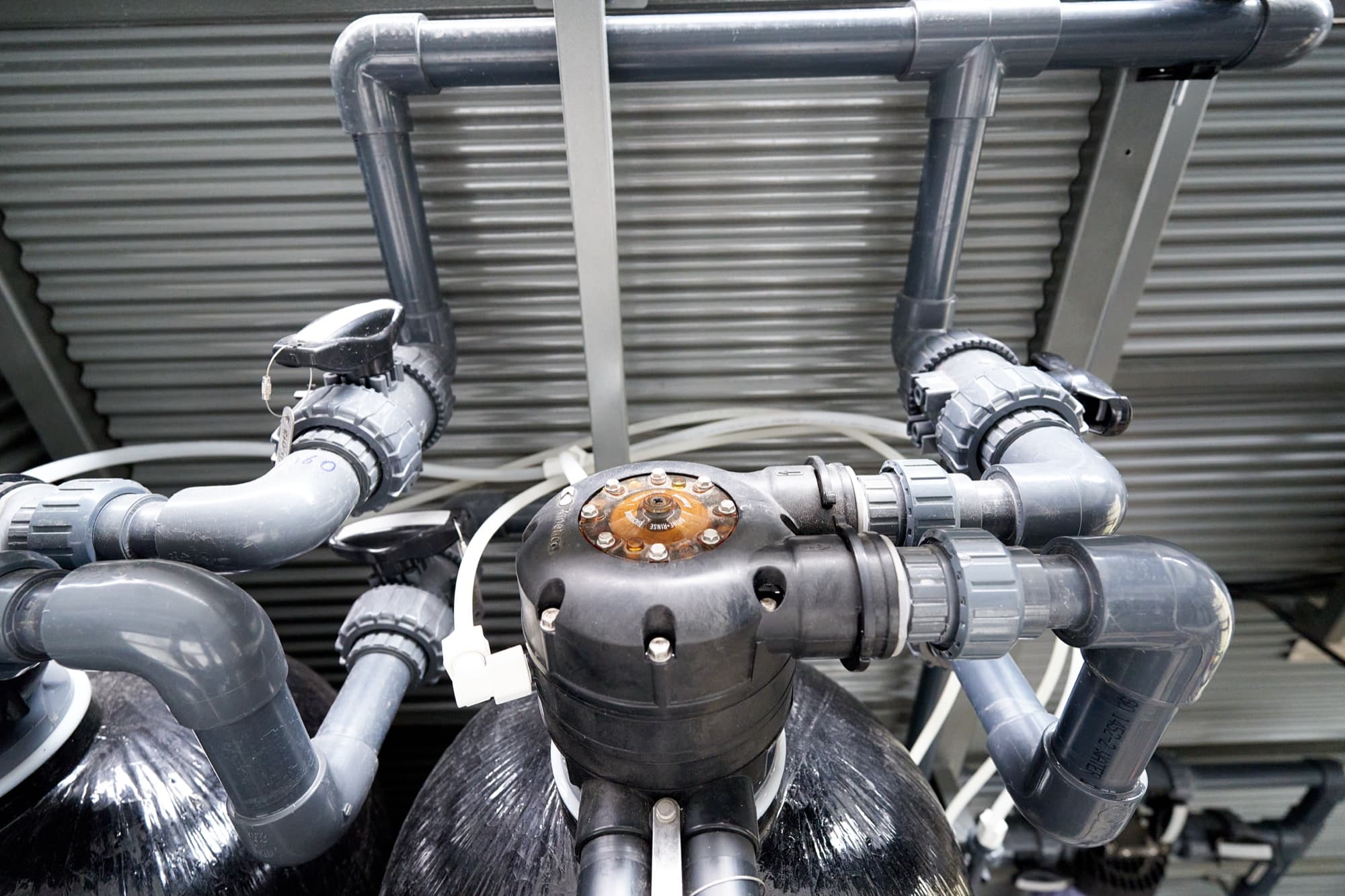
Non-electrical softener has longer service life than electrical one thanks to its simpler design and lack of electronic component.
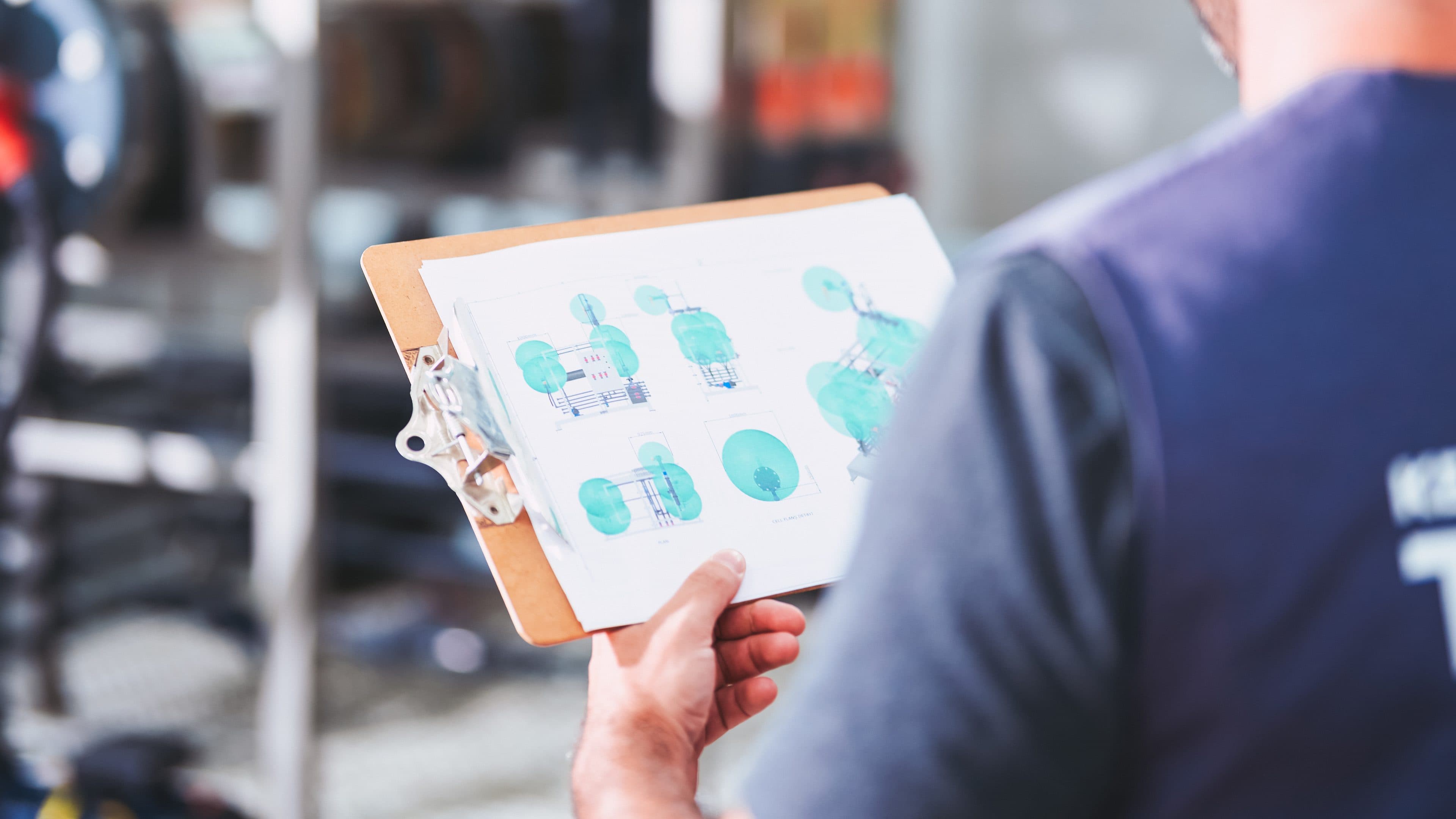
Hydrogen (H2) is the inevitable by-product of brine electrolysis, which is immediately diluted and discharged to atmosphere in the process. Even though this is a small amount of H2, see how seriously Kemisan designs this process.
Kemisan proves the safety of this hydrogen handling (dilute & discharge) with an “Explosion Protection Document” (EPD) and an attached Zone Map, prepared according to the well-trusted IECEx certification and IEC 60079 standards. These documents tell us why, where, and which ATEX-certified equipment we need to choose and use.
Discover the most satisfactory H2 handling engineering considered in an electrochlorination system!
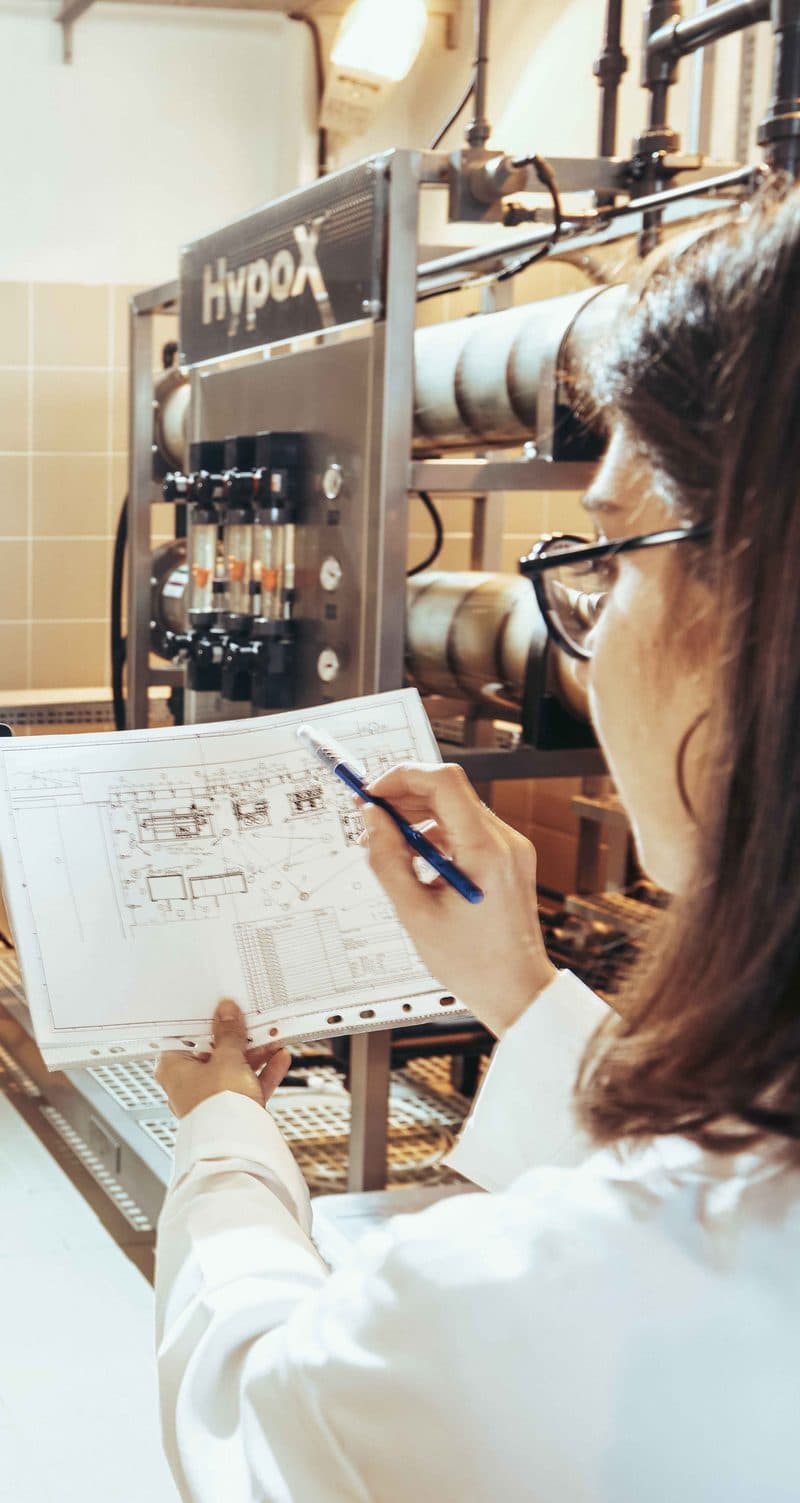
Explosion Proof Document (EPD) is a detailed engineering report and set of guidelines for environments and processes that may have any explosive materials handled or where processes might create potentially explosive atmospheres. EPD calculates and shows any risks about H2 handling and gives various level of requirements to eliminate these risk where and if available.
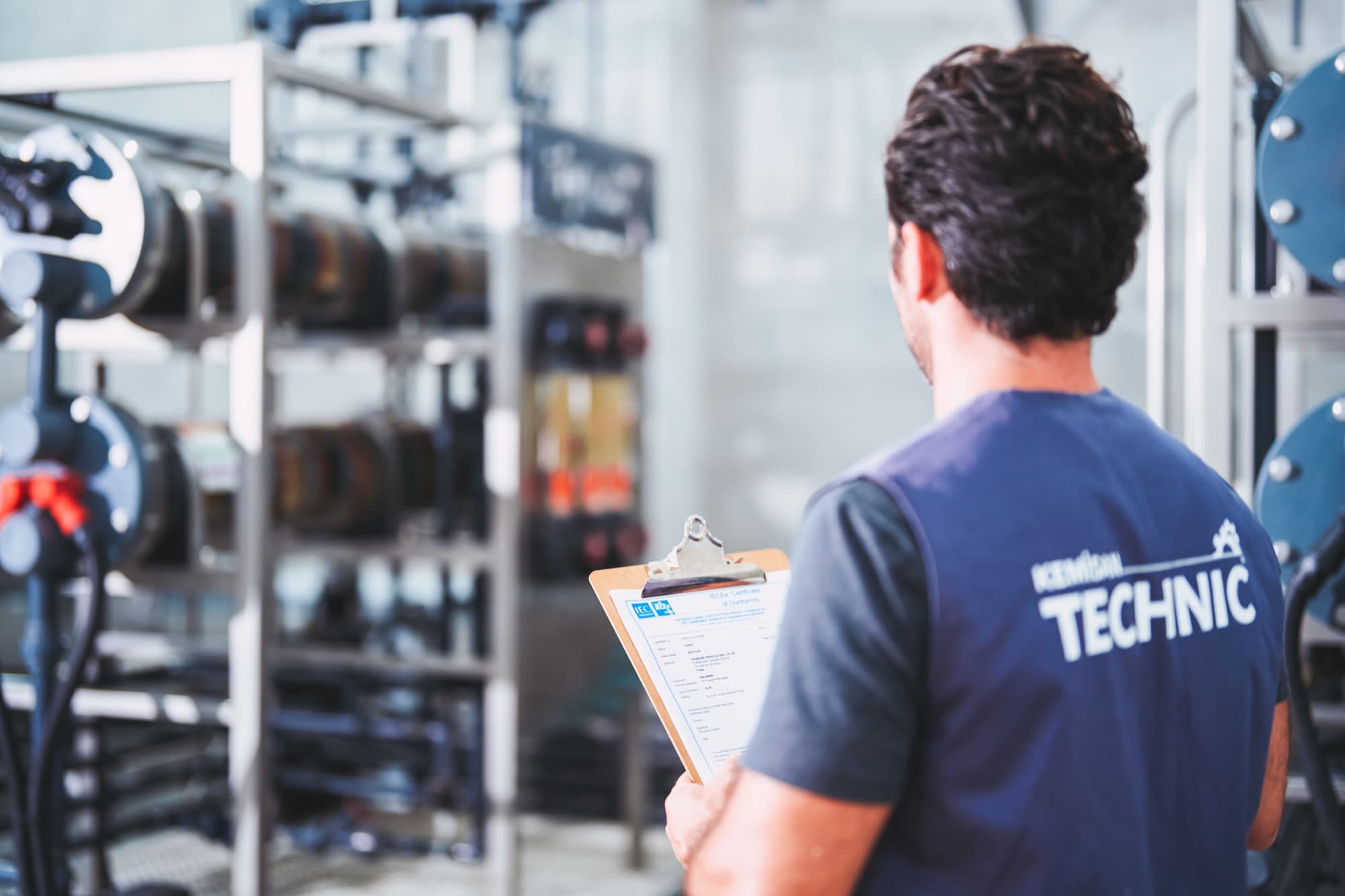
IECEx is a well-trusted and globally recognized certification system that provides an international, independent verification that products, services, and personnel comply with IEC standards, particularly those related to environments with an explosion risk. Electrochlorination systems shall be designed according to IEC 60079-14 Standards.
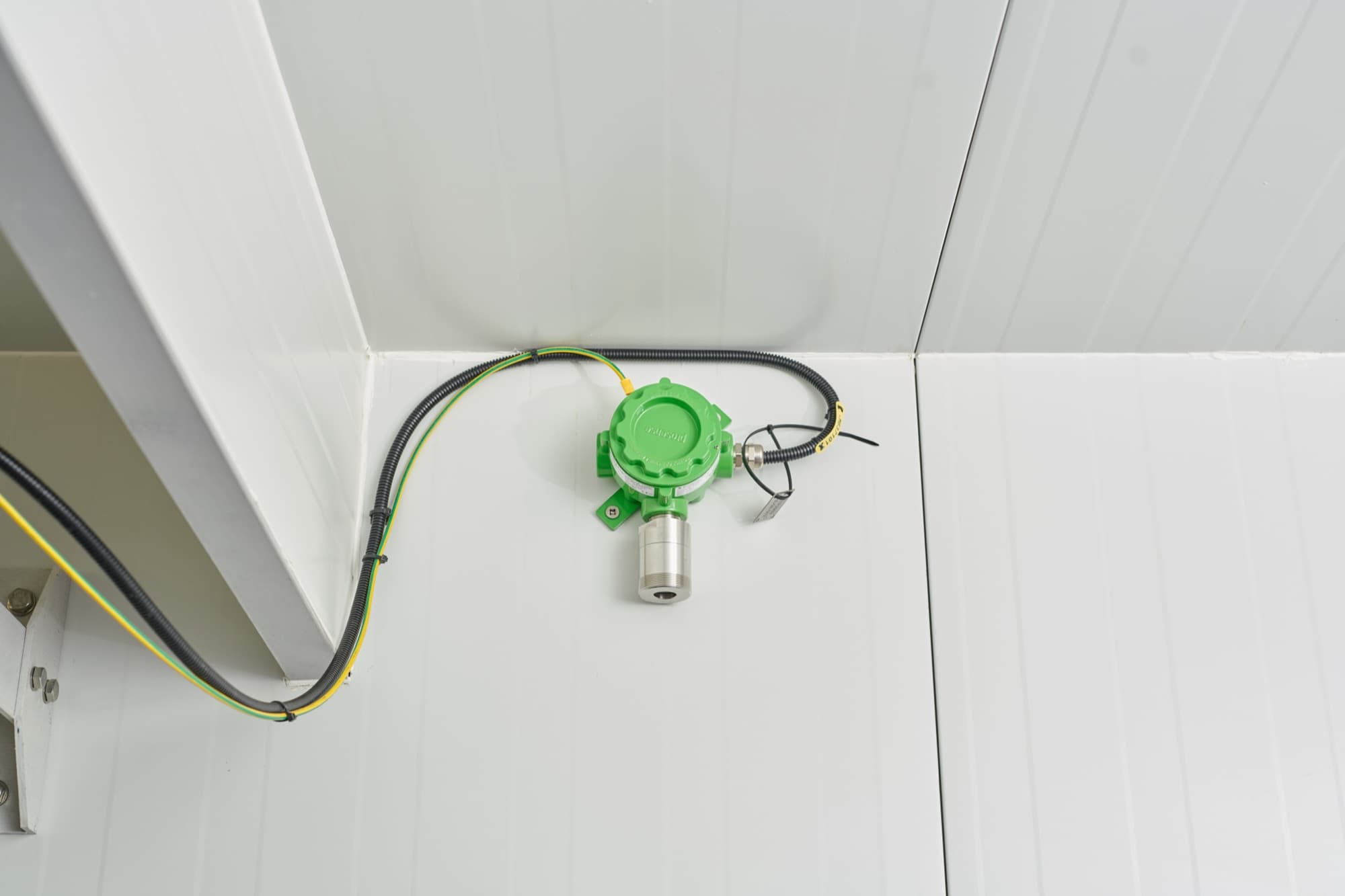
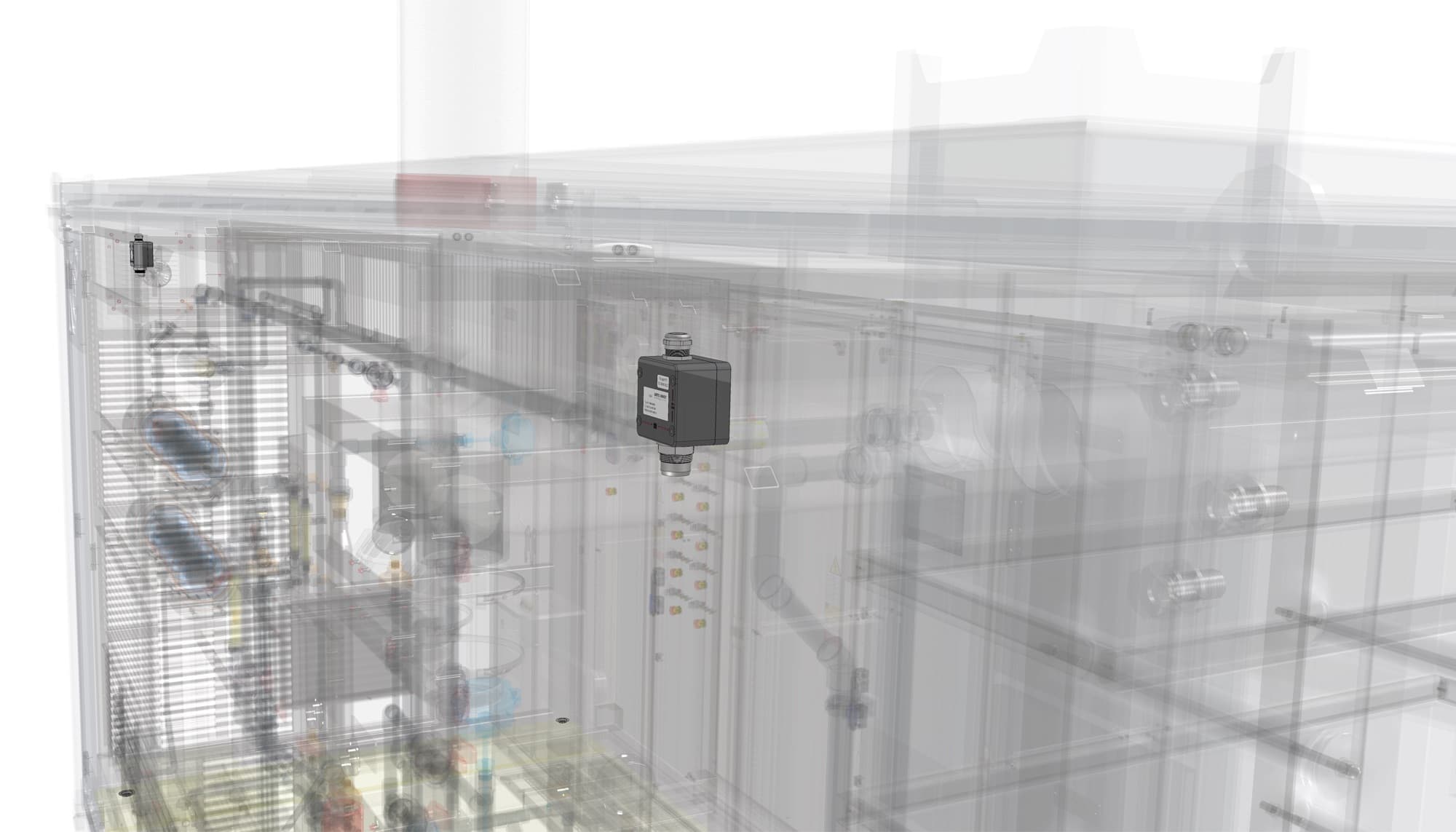
Using ATEX certificated instruments and equipments in Hydrogen environments can be necessary to make the safest Hydrogen handling. But these selections shall not be according to prediction like many suppliers do. Explosion Proof Document shall be supplied with all engineering and calculations which will show us the reason to decide the ATEX type and locations of these equipments and instruments.
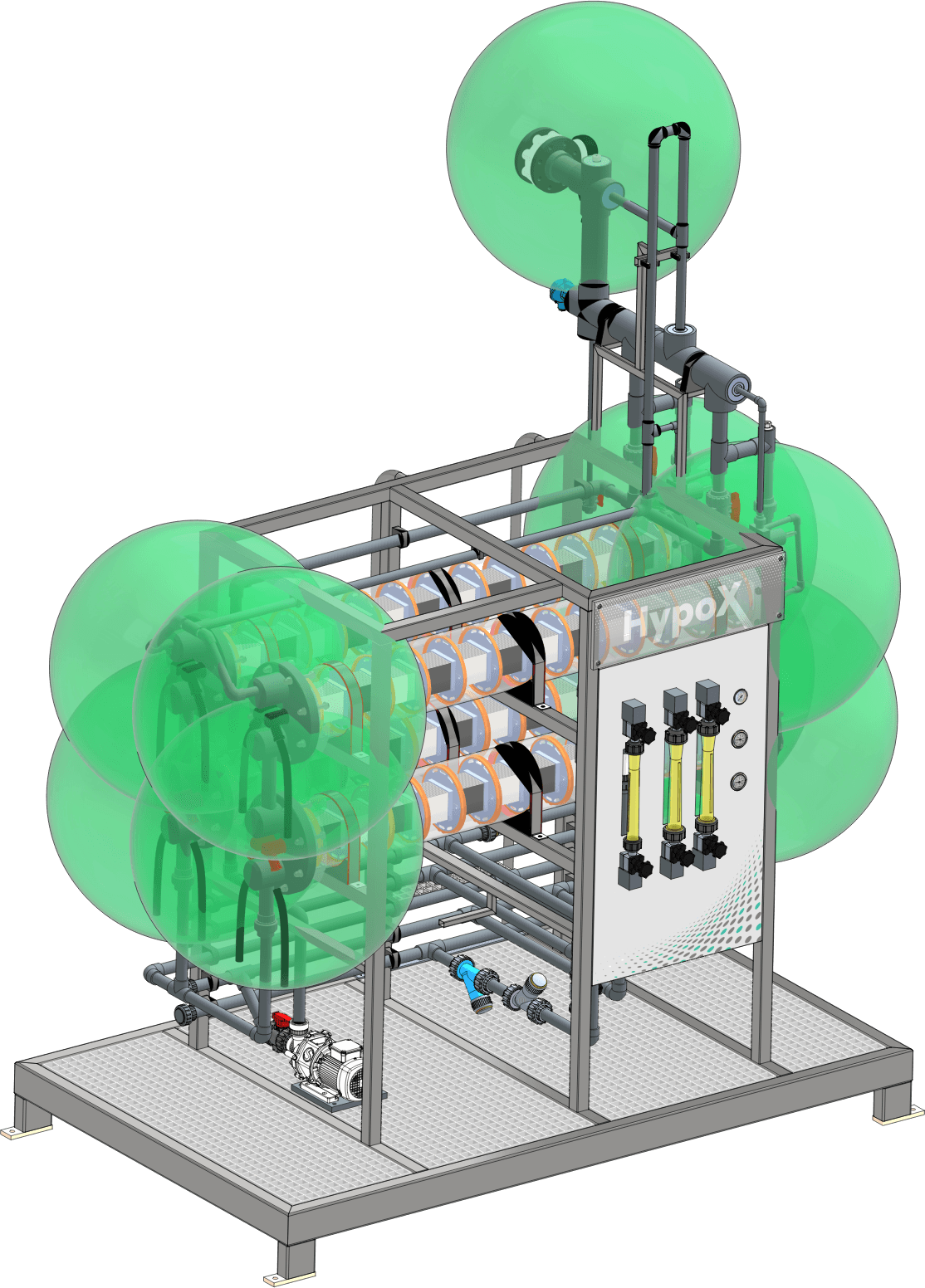
2D and 3D Zone Maps are the attachments of Explosion Proof document (EPD) which brings an easier understanding and summary to all engineering and calculations.
Detailed description coming soon.
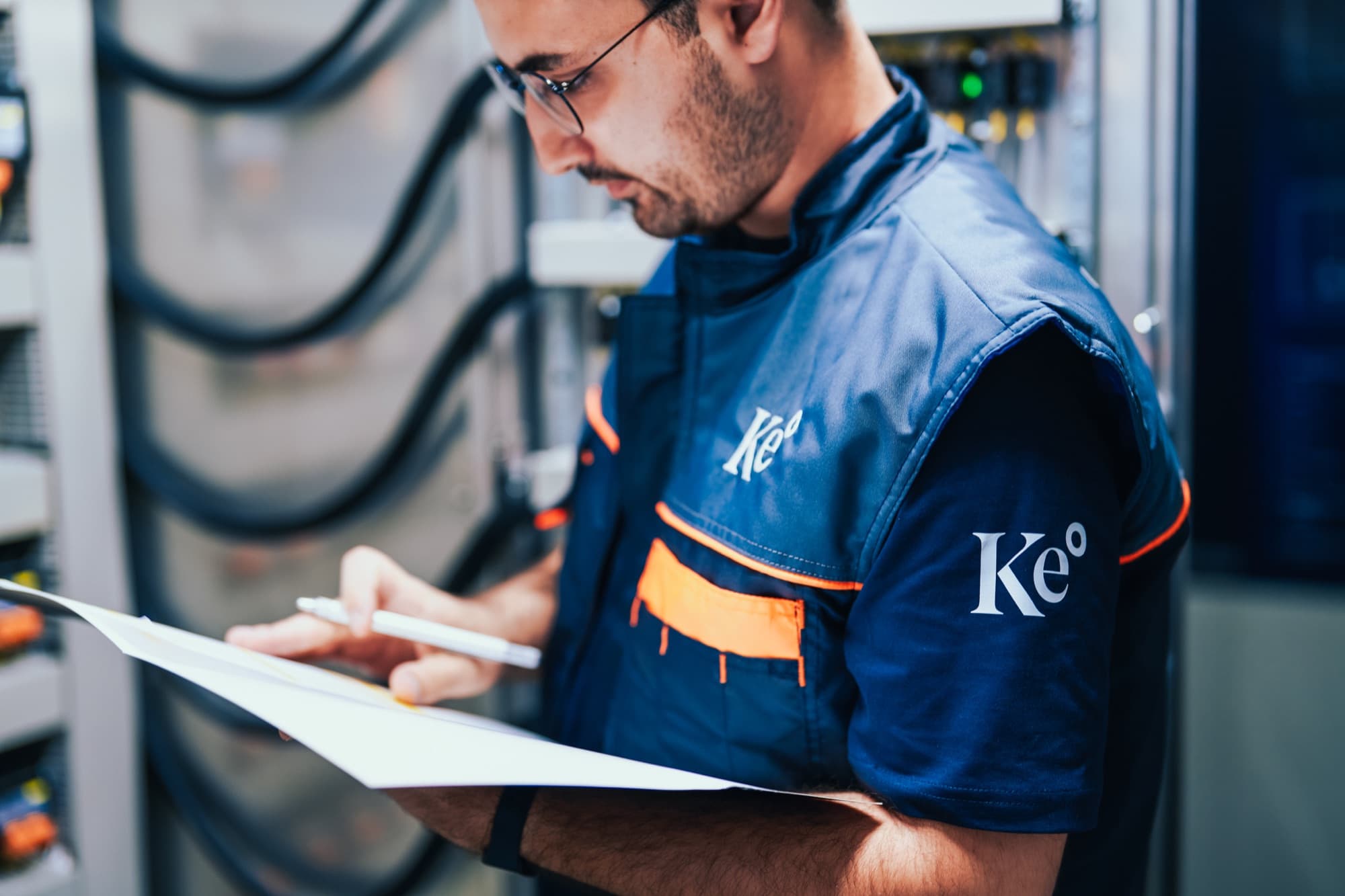
Detailed description coming soon.
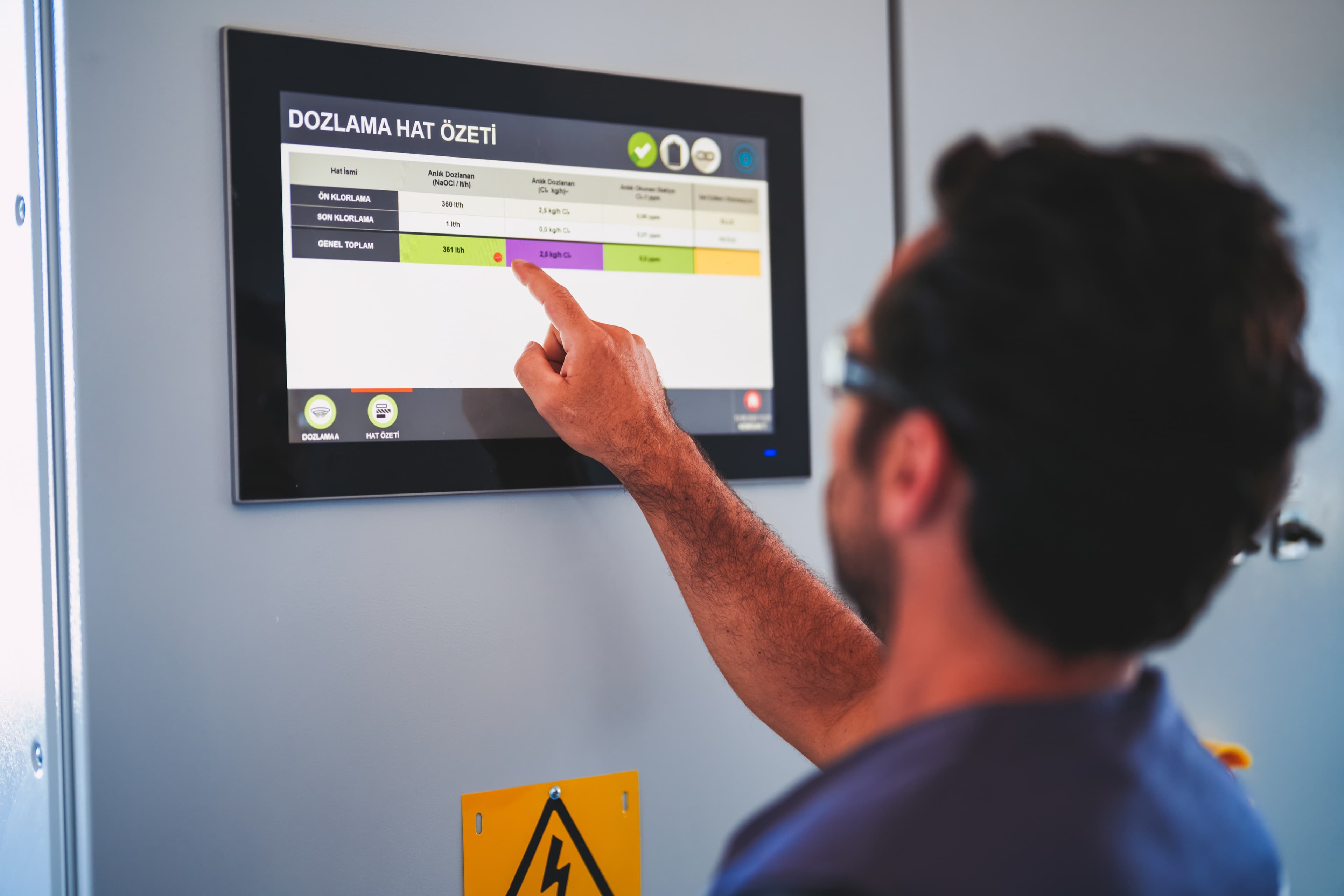
User-friendly, Customizable & Uninterruptible
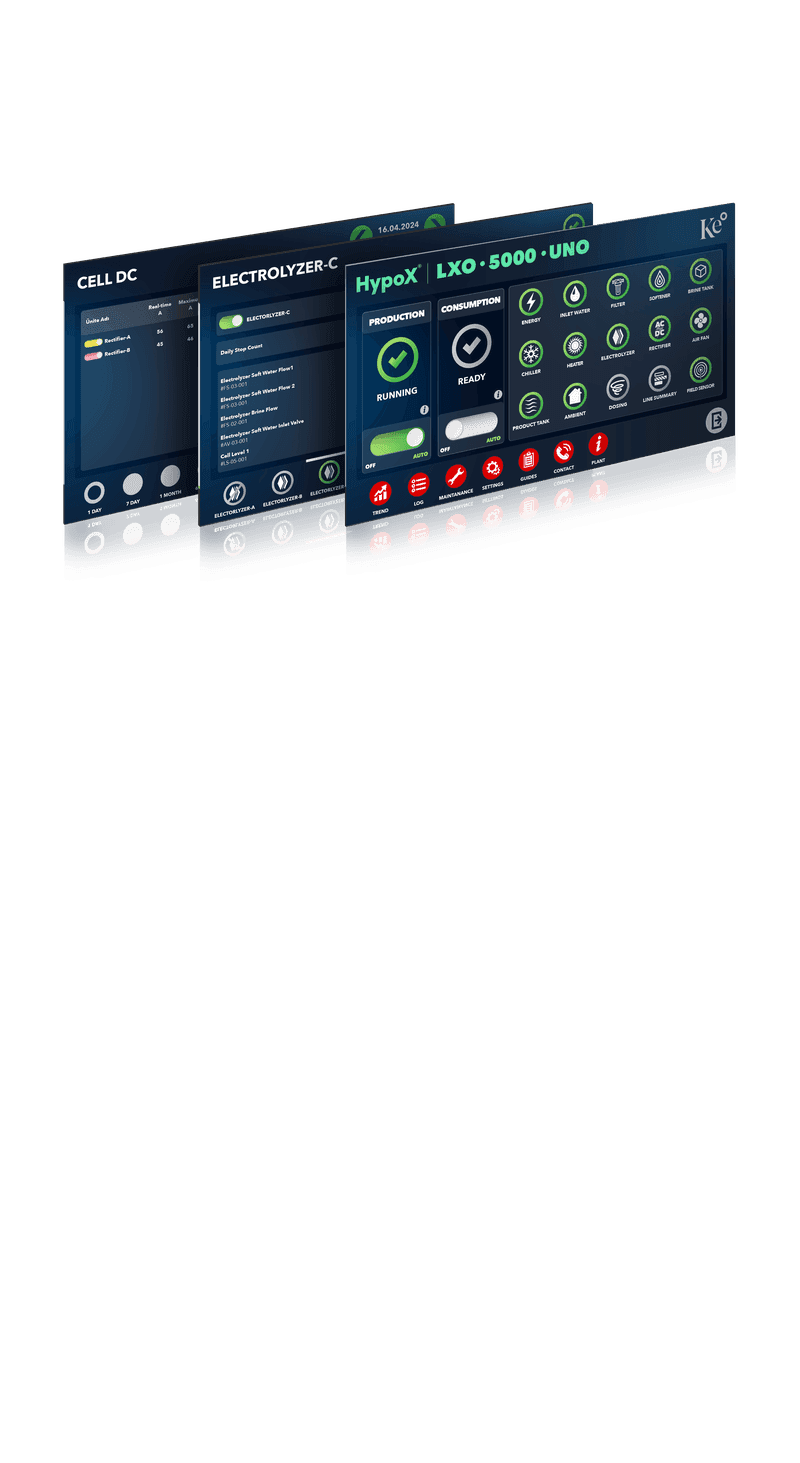
Thanks to our advanced PKEM.GEN.4 software, chlorination control is now more intelligent than ever. With its revolutionary user-friendly interface, smart alerts for operator guidance, self-running automations remote access and much more, managing your chlorination process has never been this smart, simple and even fun.
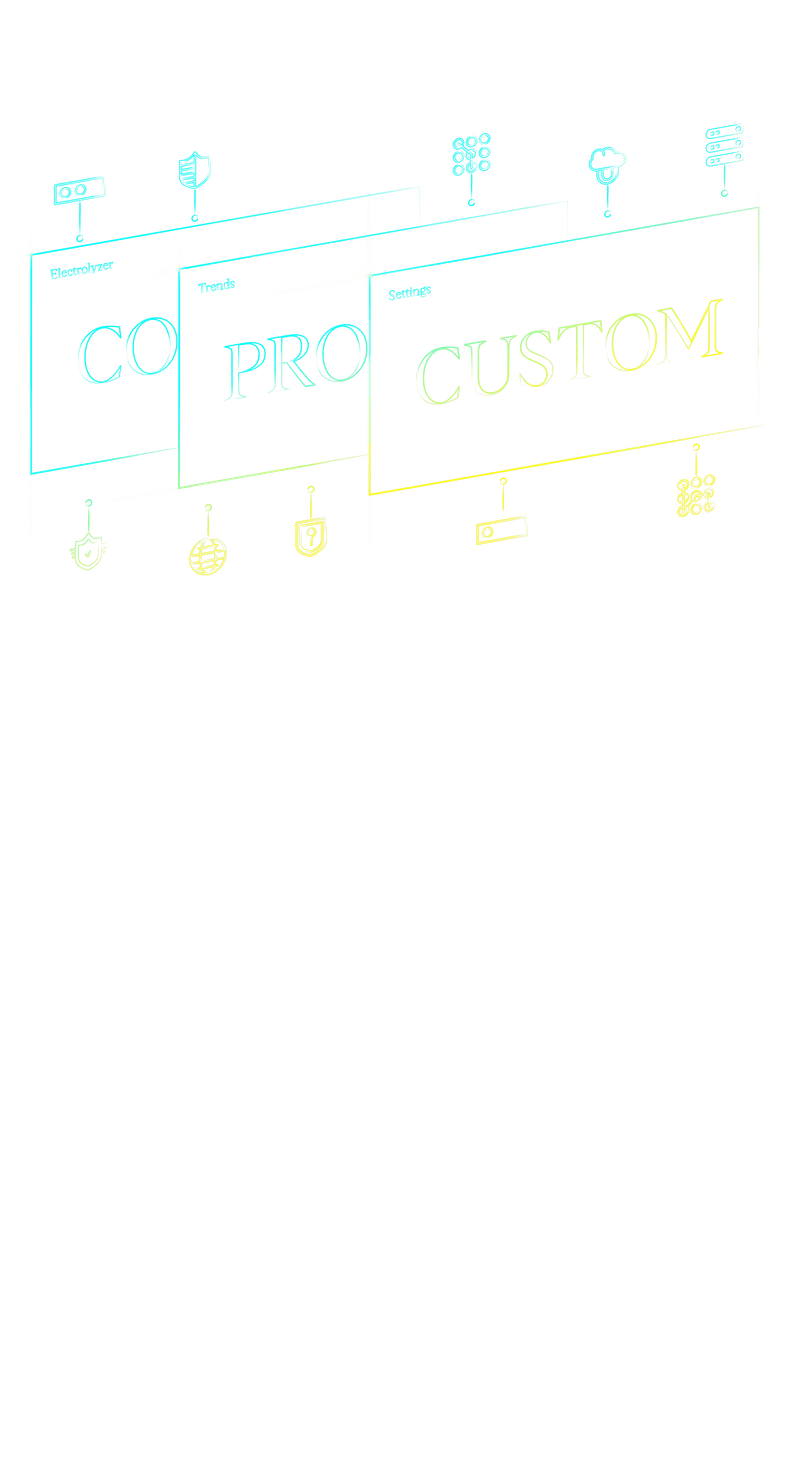
Chlorination control can be tailored to your needs — choose between Core, Pro, or Custom PLC automation packages exclusive to LC Series. CORE Covers All Your Essential Needs, PRO Unlocks Advanced Control & Deep Insights and CUSTOM Offers Fully-Tailored Solutions.
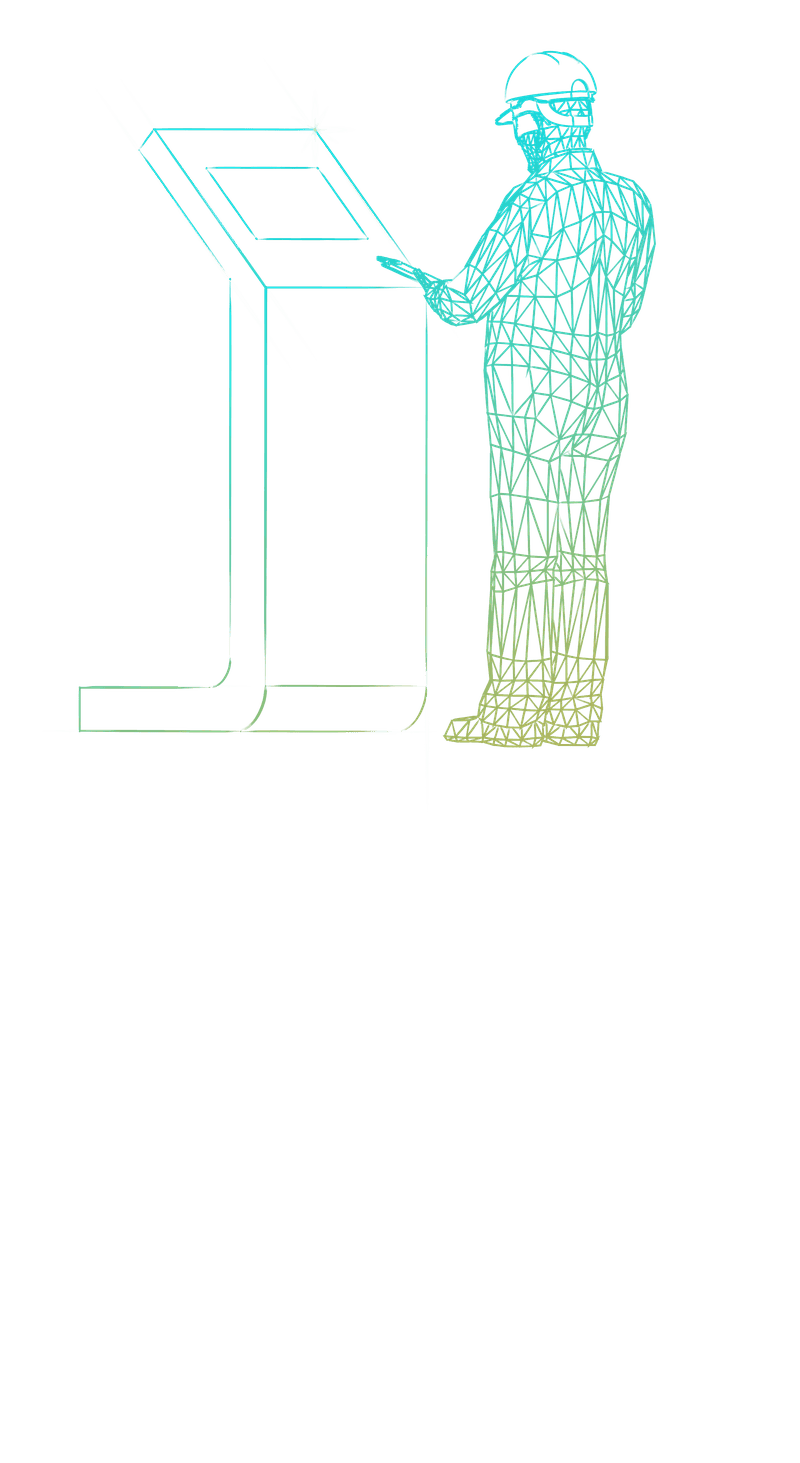
LX's operator-friendly kiosk option provides real-time control and monitoring for large-scale plants with additional operator panel in wet area.
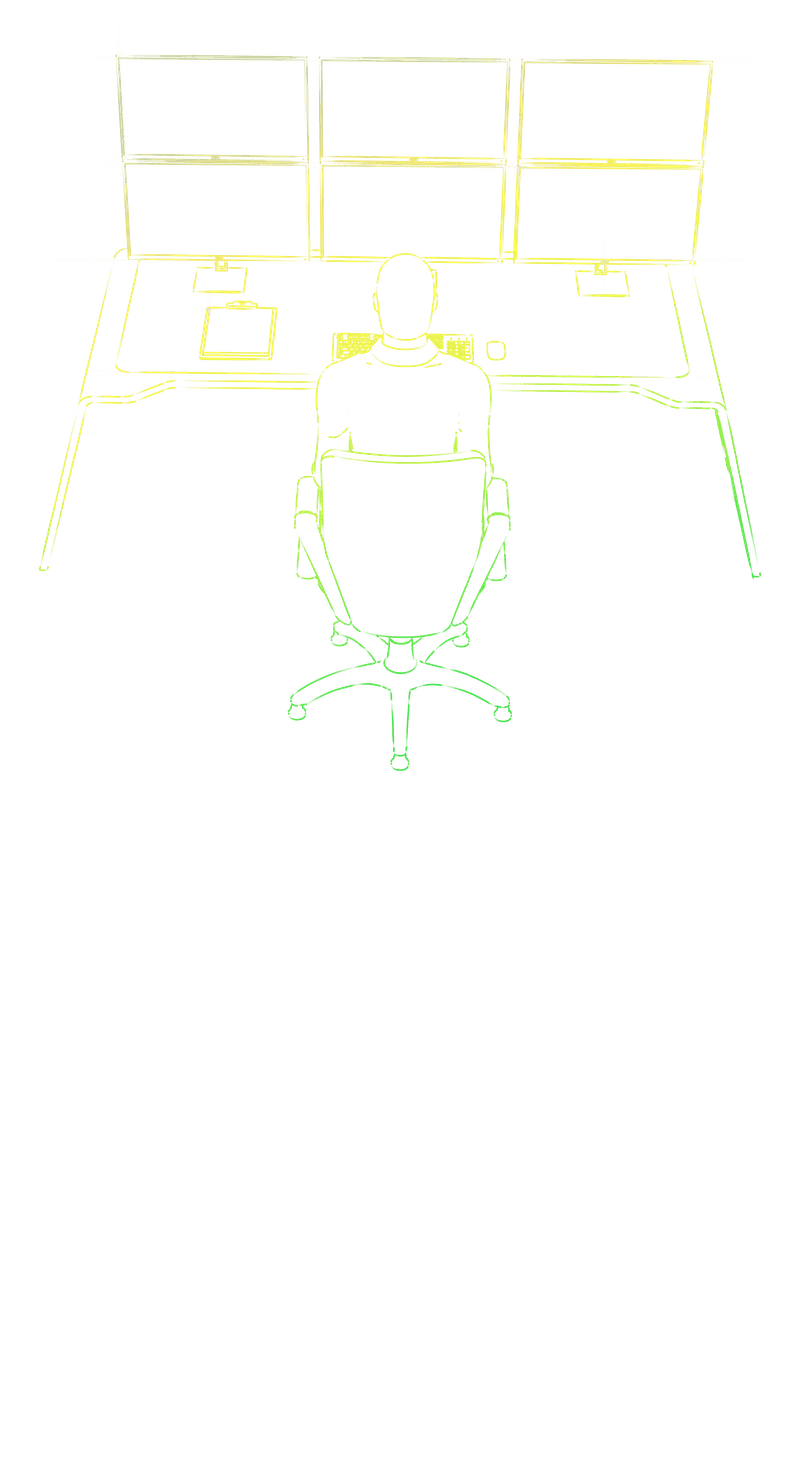
LX Series offers multi-screens instead of mounted operator panel for comprehensive multi-data monitoring & stationary work desk.
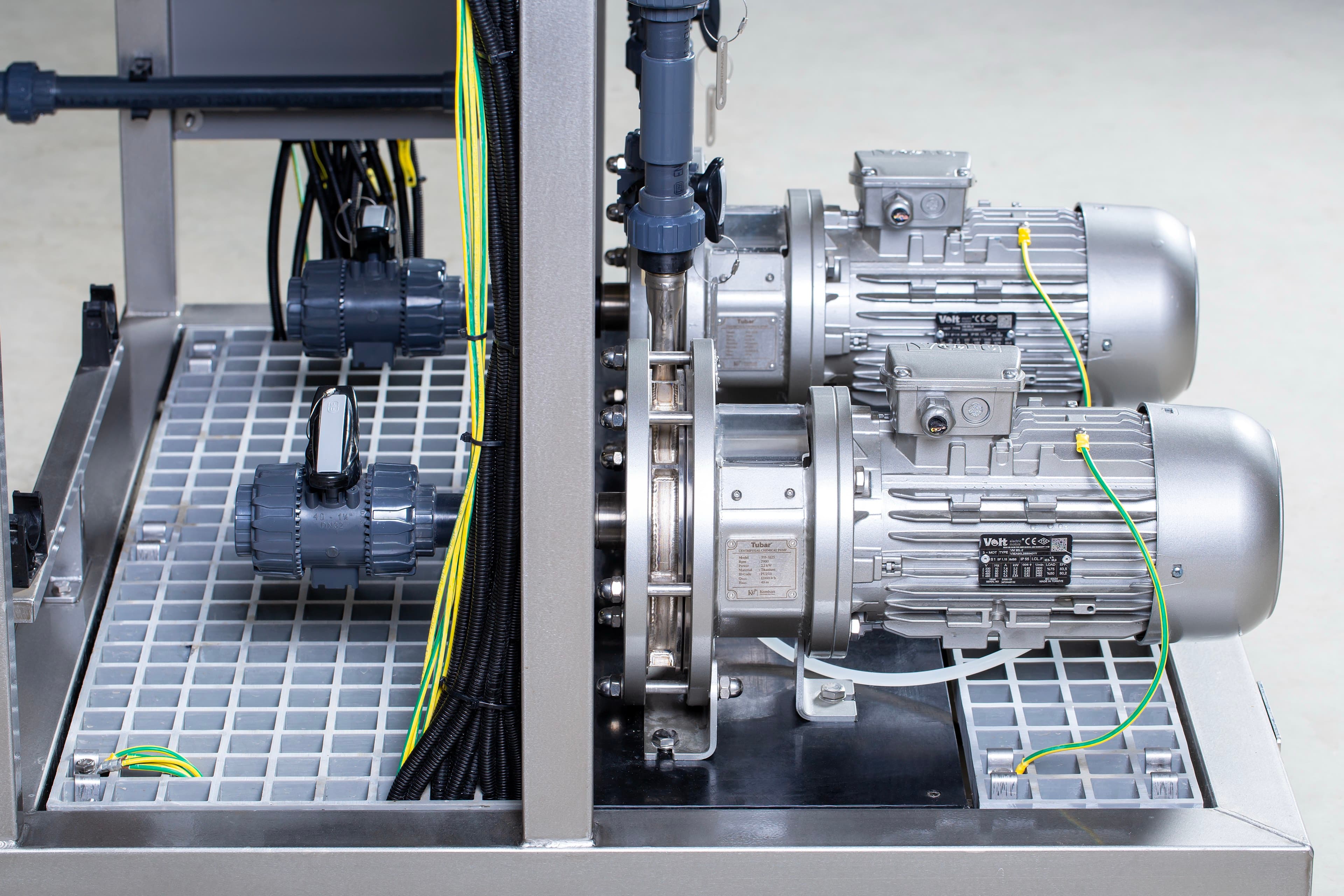
For applicable projects, Kemisan’s Tubar® pumps are made entirely of titanium, featuring durable threads and bodies, guaranteeing long-term & trouble-free performance for high-capacity chemical dosing needs in heavy-duty conditions.
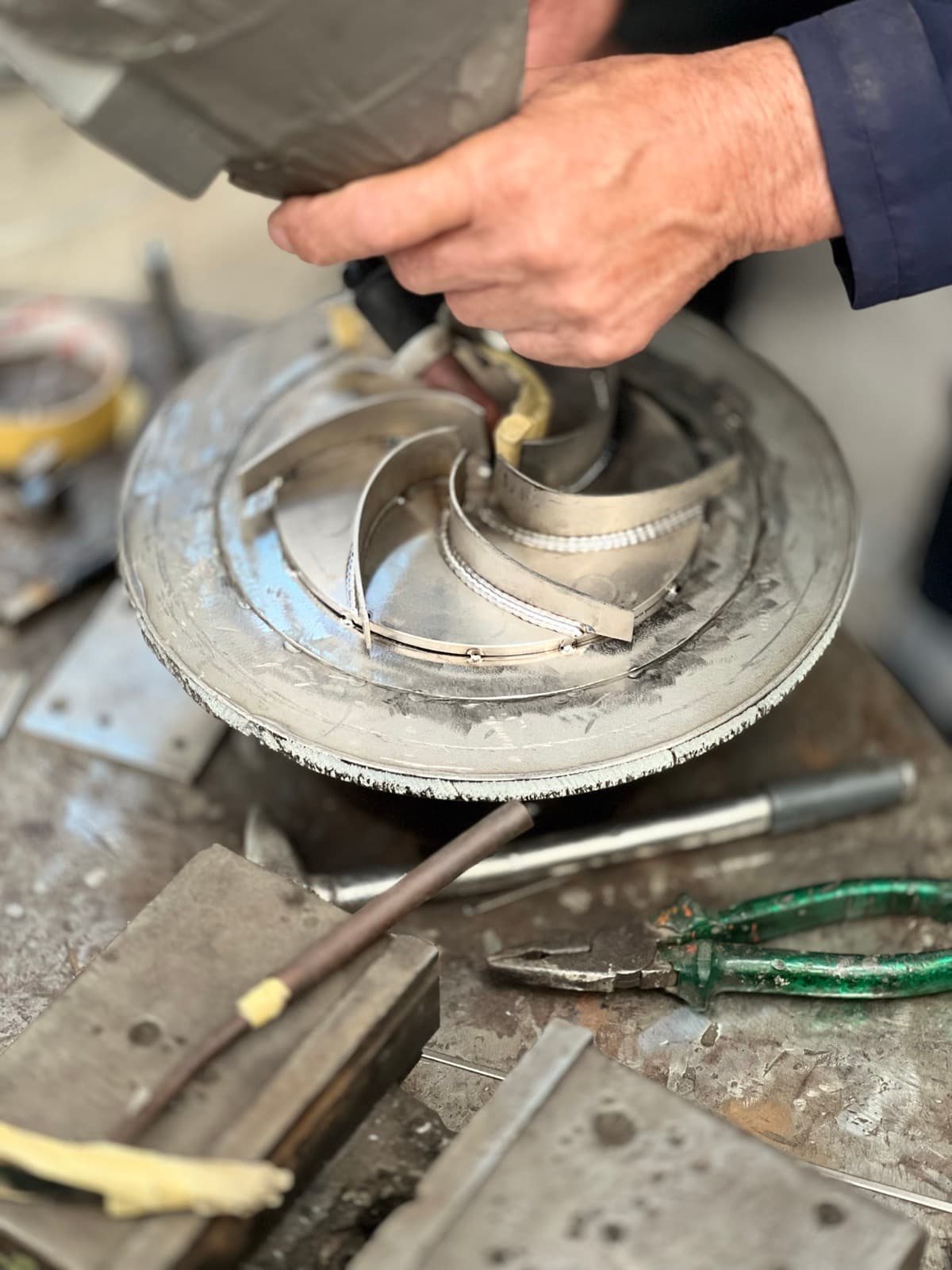
Tubar® is a life-time pump because it’s handcrafted from solid titanium with TIG welding method, ensuring superior strength and performance. Also, thanks to its solid titanium and other components like seal, it can provide 24/7 uninterruptible process in heavy-duty operation.
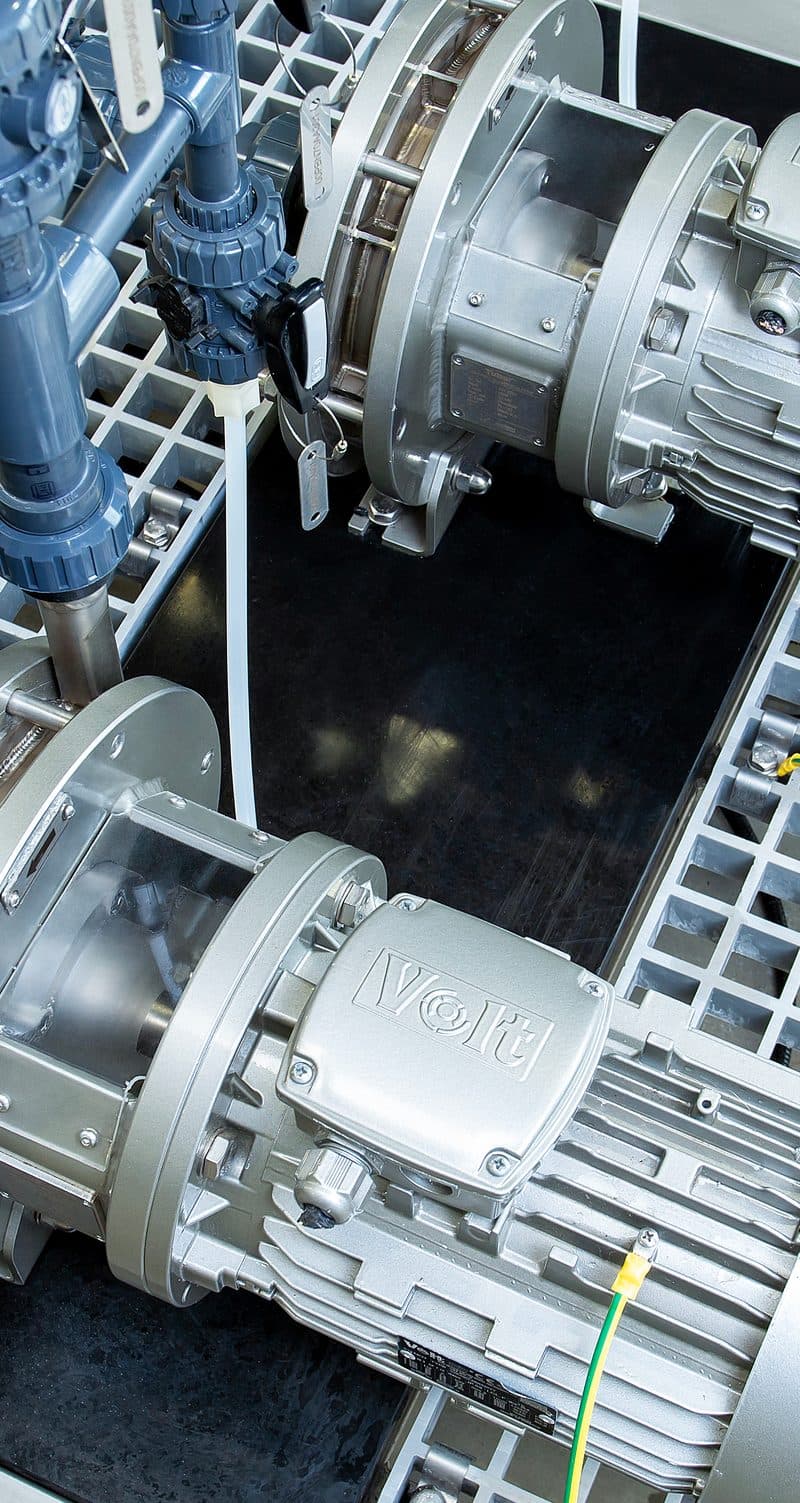
Tubar’s Titanium Body is a very strong material, highly resistant to extreme mechanical stress, corrosion pressure, and impact. This ensures that the pump operates smoothly for a longer period than Plastic pumps which are generally more fragile and may deform or crack under high pressure or extreme temperatures.
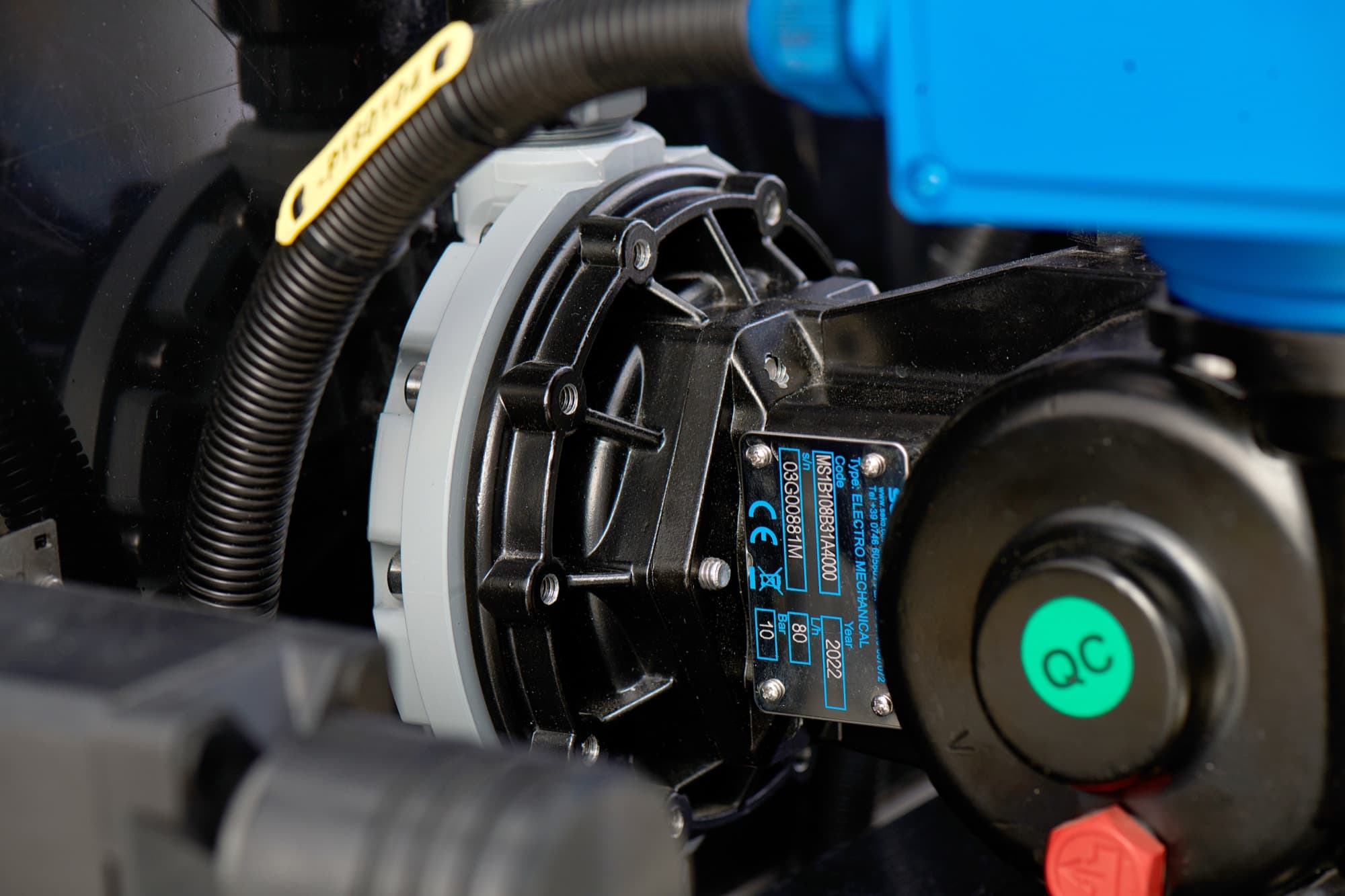
Tubar® requires less maintenance than diaphragm pump because they are designed to operate under high pressure and temperature conditions, making them low-maintenance over time, even needed only seal maintenance in time. However, since diaphragms can wear out or get damaged over time, require more maintenance and more frequent part replacements and repairs.
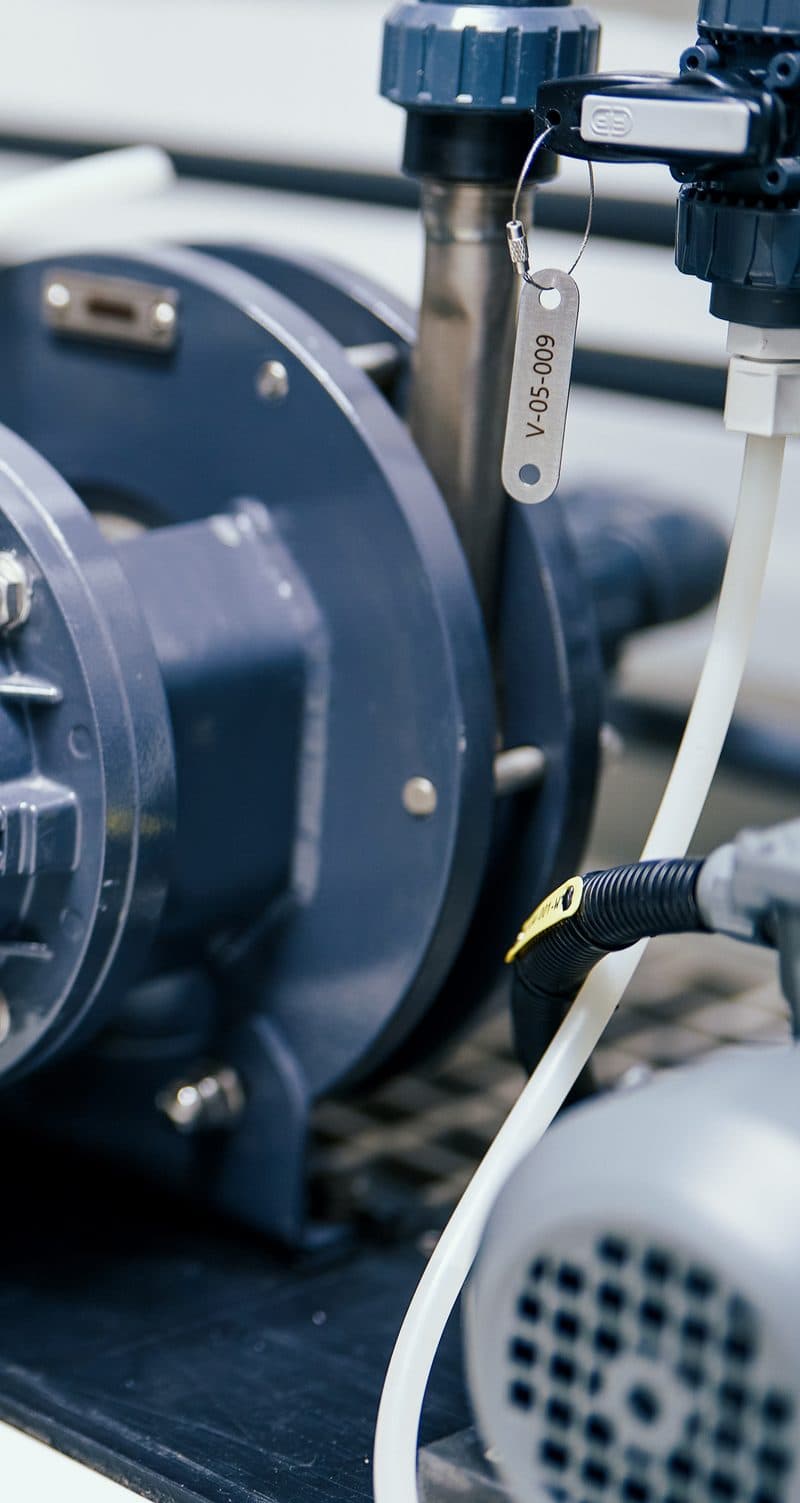
For high-volume and high-pressure dosing, Tubar® titanium centrifugal pumps are perfect solution providing a stable and continuous flow with high efficiency. On the other hand, Diaphragm pumps causes an inconsistent and non-continuous flow, and have limited dosing capacity therefore it is not perfect solution for high-amount dosing.
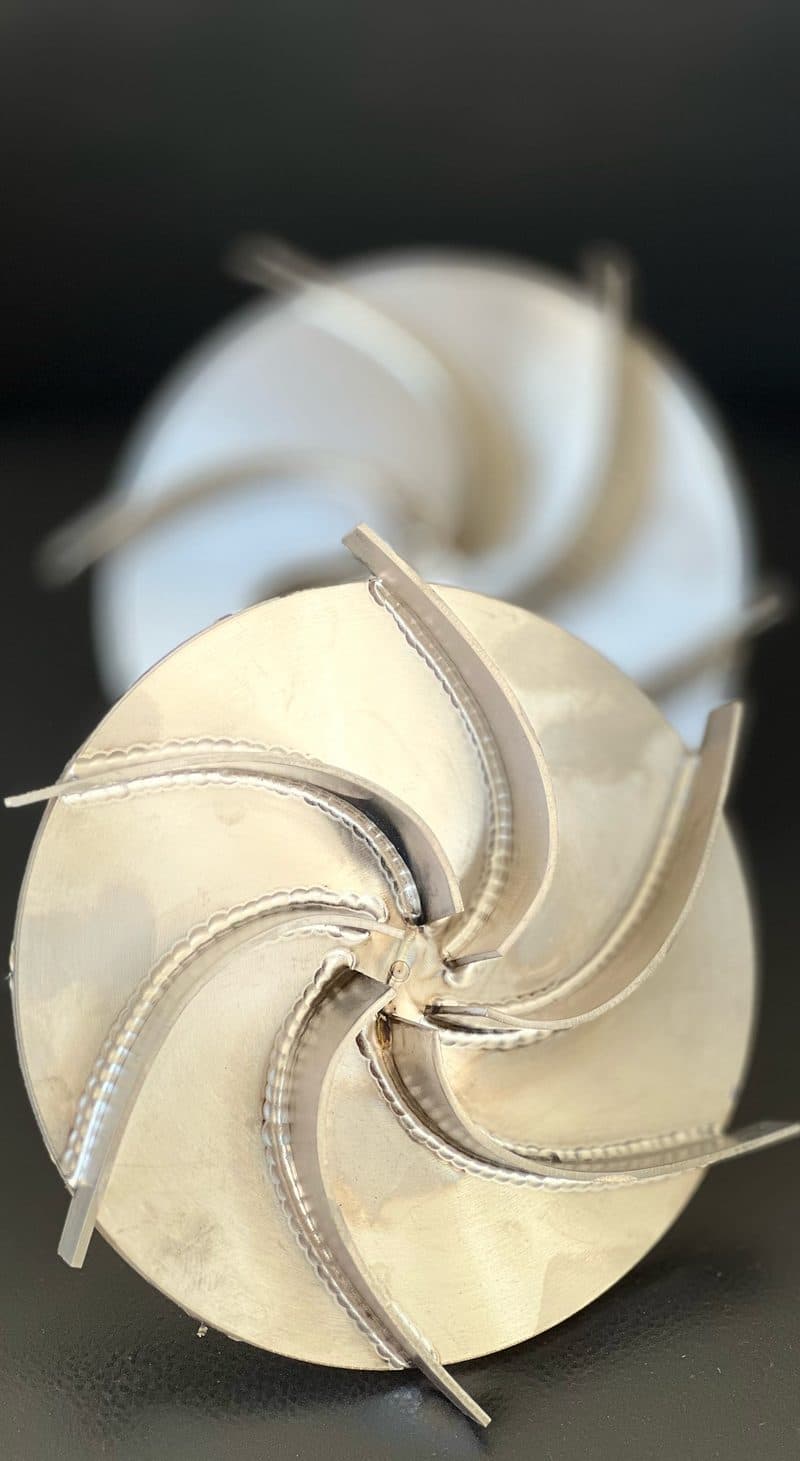
Kemisan provides 5-year warranty for Tubar® ensuring long-term peace of mind. Also, Kemisan is the sole point of contact for Tubar’s guarantee, providing fast and reliable solutions in case of any issues or needs.
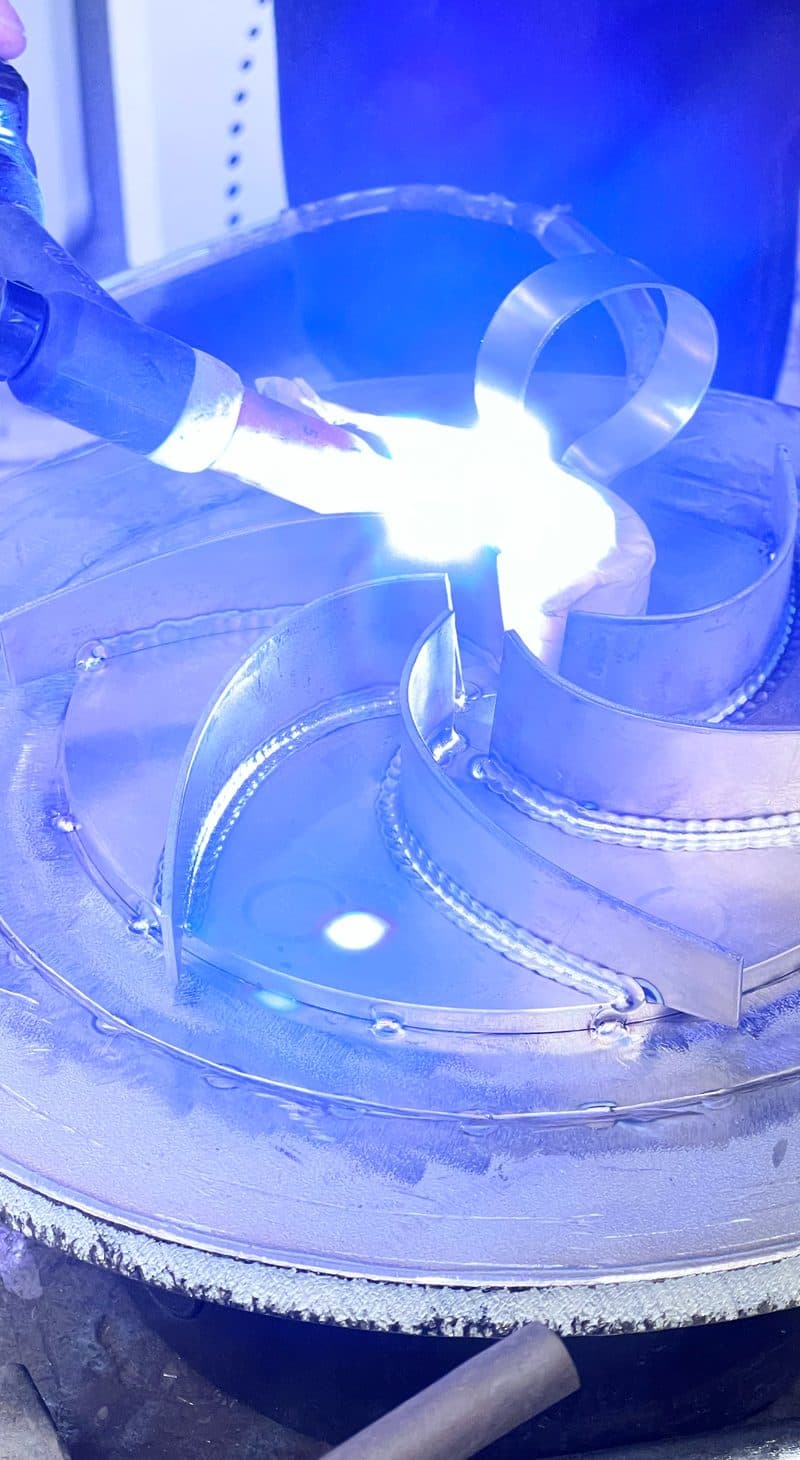
With over 50 years of experience, Kemisan® blends deep industry knowledge with advanced technology and exceptional craftsmanship to create pumps that are built to endure. Our expertise in manual craftsmanship, welding, and precision manufacturing ensures that every Tubar® pump meets the highest standards of performance, reliability, and quality, providing long-lasting, trouble-free operation.
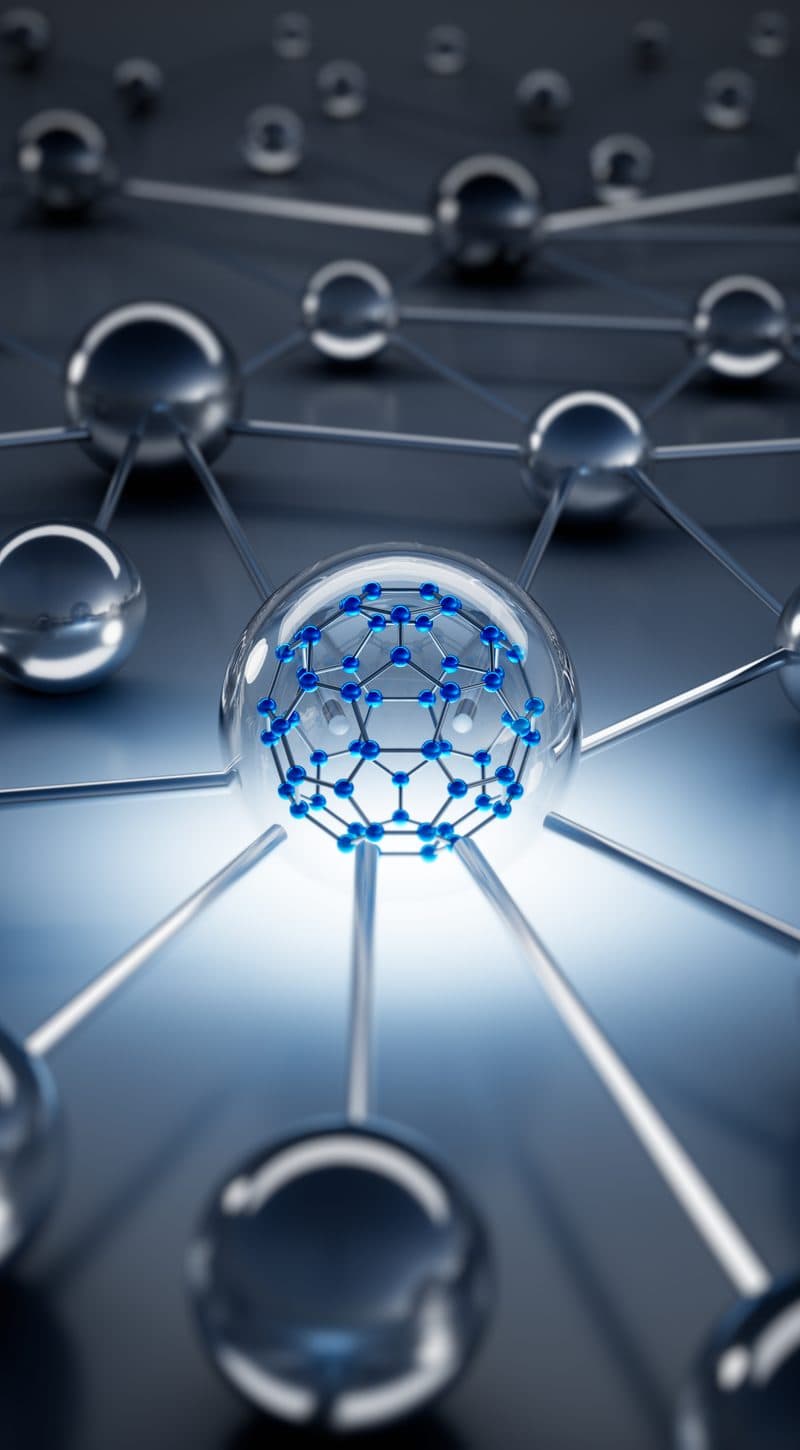
With our multi-point dosing system, you can seamlessly distribute precise doses to multiple locations within your facility from a centralized control point. This ensures optimal performance and consistency across all dosing points, tailored to the unique requirements of each area.
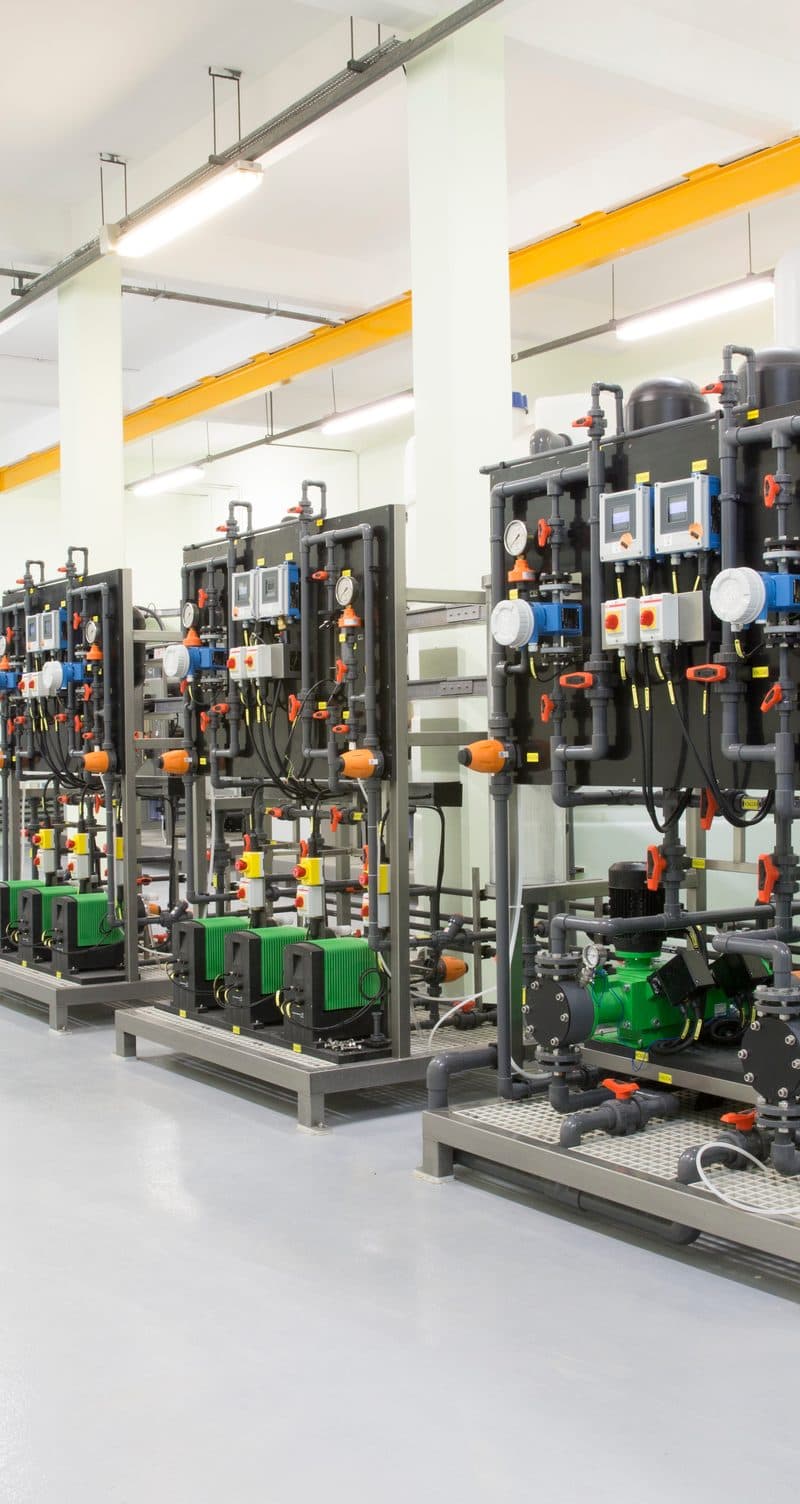
Protect rectifiers, MCCs, PLC units, and other electrical and automation equipment from long-term corrosion caused by humidity and chemicals by housing them in a separated electrical room. This not only extends equipment life and overall plant durability but also enhances safety by physically separating electrical systems from liquid-handling components.
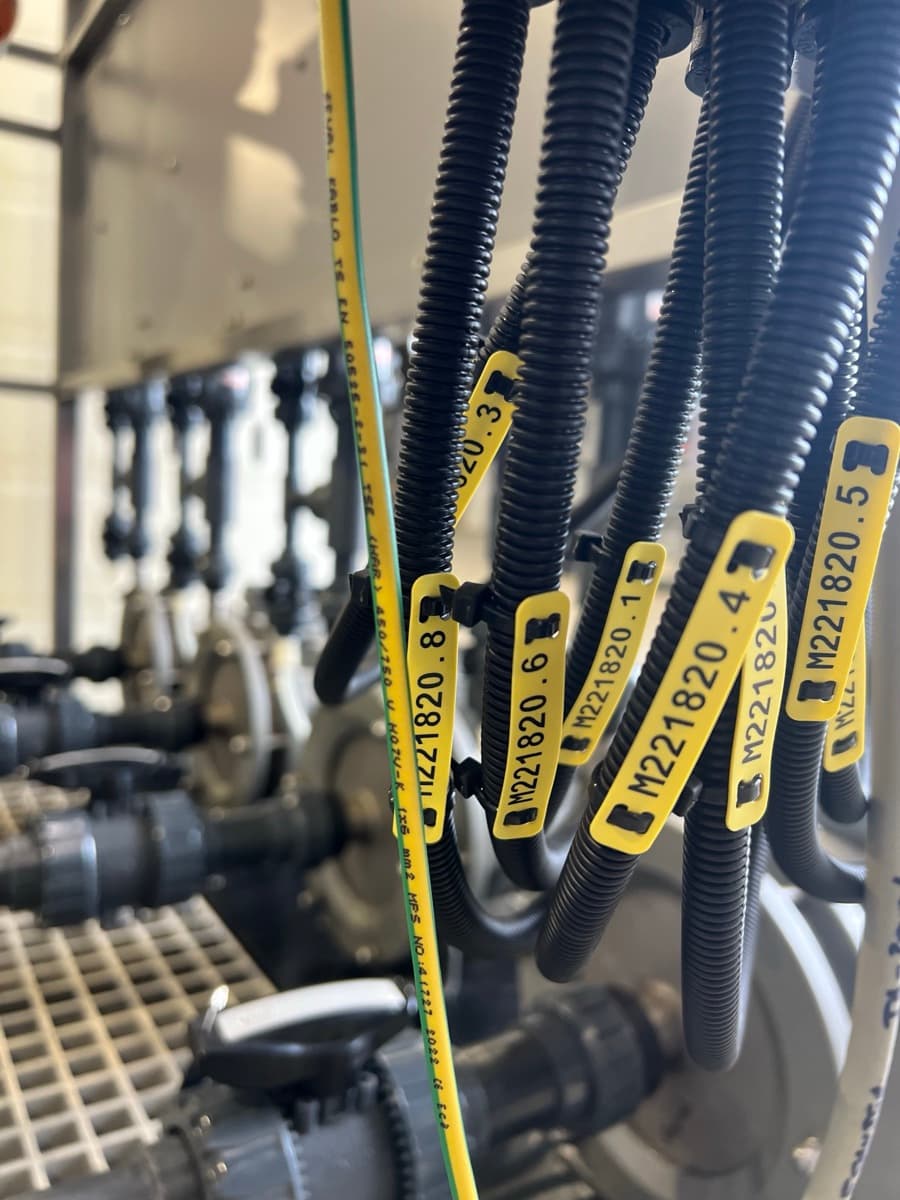
We offer flexible solutions for different dosing needs, with automation options based on ppm, kg, pressure or double-factor control. Our system can be fully customized to ensure precise and efficient dosing according to your specific requirements.
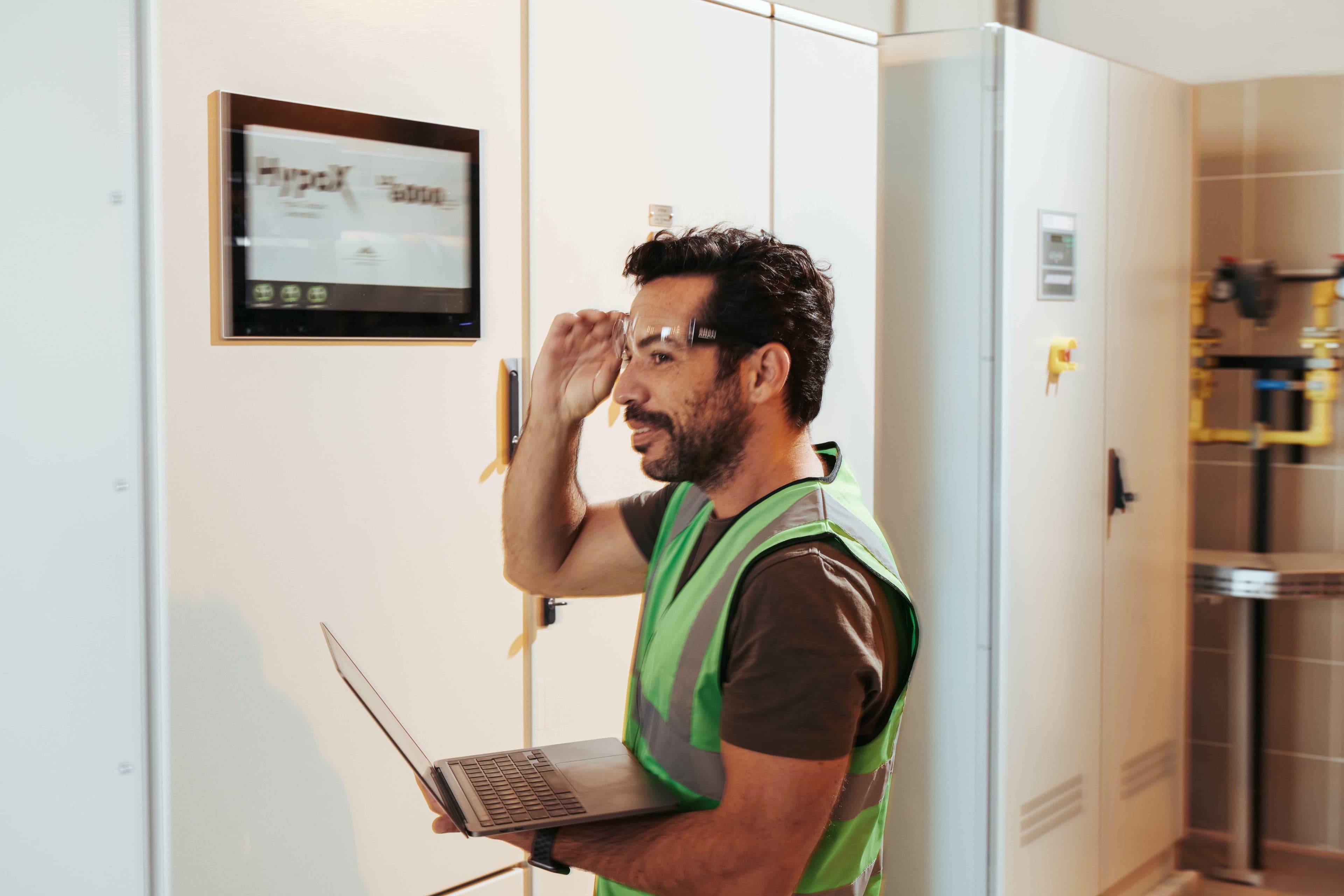
At Kemisan®, we are not just committed to producing hypochlorite through our on-site electrolyzers—we promise a lifetime of comfortable, hassle-free dosing with our perfectly worked automation systems. Integrated with PLC technology, our system ensures consistent, accurate dosing or transfer with minimal intervention, offering you peace of mind and efficiency every day. Discover the most efficient dosing automation for your chlorination needs!
Double Factor Dosing Automation ensures a stable chlorine output in your treatment plant by adjusting dosing based on two key data points: set value (KG) and signal (Flow or PPM). This dual-factor approach acts as a safeguard, accurately determining the required chlorine dosage to maintain consistent water quality. Therefore, it is suggested to prevent seasonal fluctuations especially for Drinking Water Treatment Plant. Depending on client requirements, various combinations such as Flow+PPM, Flow+KG, or PPM+KG can be selected for automation.
Single Factor Dosing Automation provides to set chlorine dosing according to single set value OR signal. Thus, you can get not only easy dosing process management, but also accurate one thanks to updating itself according to data. Depending on client requirements, KG set, Flow signal or PPM signal can be selected for automation.
ON/OFF Factor Dosing Automation provides effortless chlorine transfer according to Pressure set or ON/OFF signal value. This automation is suggested for especially multipoint chlorination processes such as hotel swimming pools.
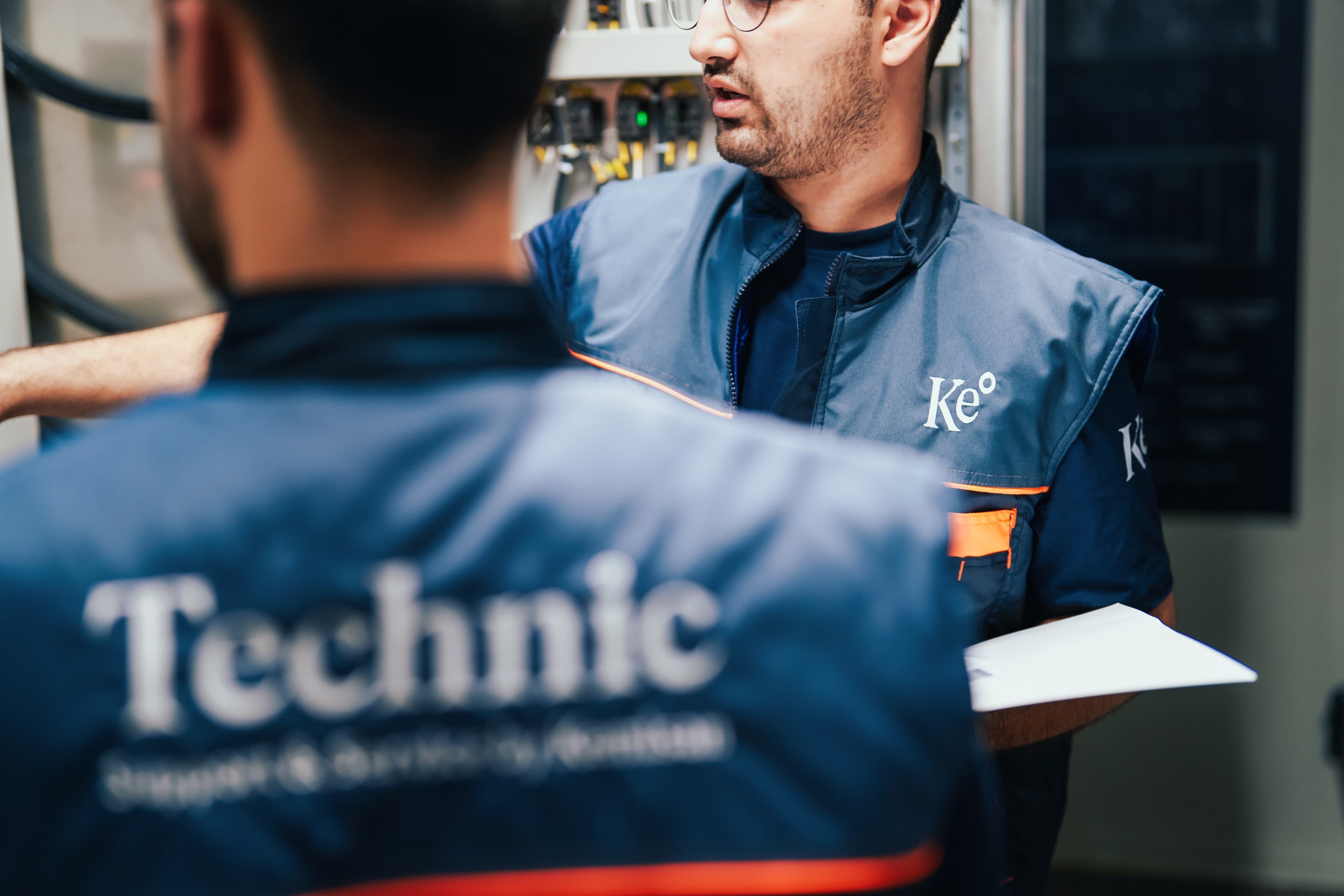
Although producing chlorine on-site through the electrolysis of brine is always more economical than purchasing it externally, operating costs — electricity, heating, maintenance and the like — are the most significant factors directly affecting cost savings in electrochlorination plant designs. For this reason, Kemisan designs its electrolyzer units to optimize salt and electricity consumption, while selecting heat exchangers instead of resistance-type heaters to achieve the most efficient operational costs.
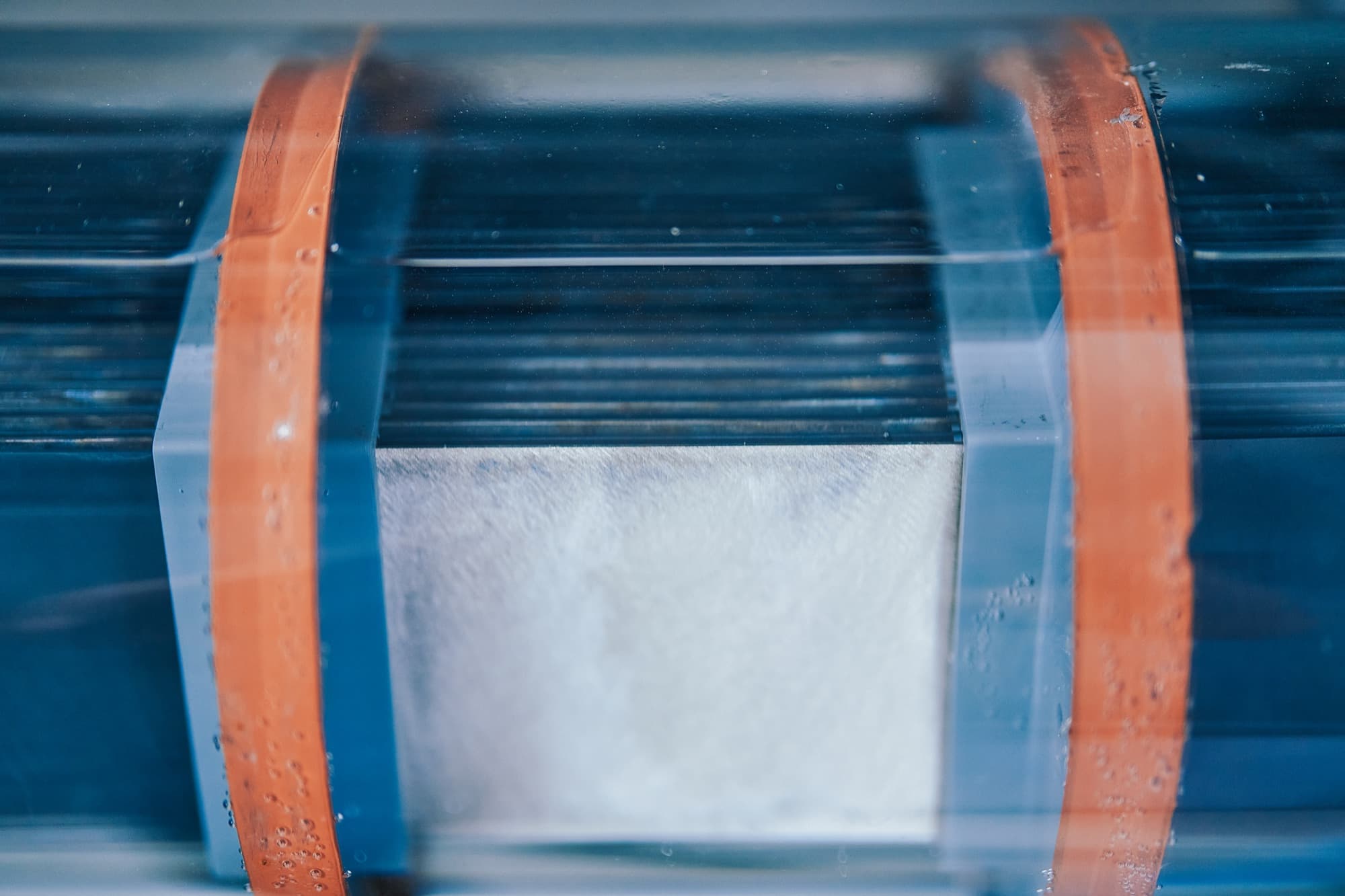
By integrating advanced engineering techniques and innovative technologies, our systems minimize salt & electricity consumption while maximizing performance. Our systems consumes 3,5 kg Salt and 4,5 kW electricity for 1 kg/h (100% Cl2 bases) NaOCl production.
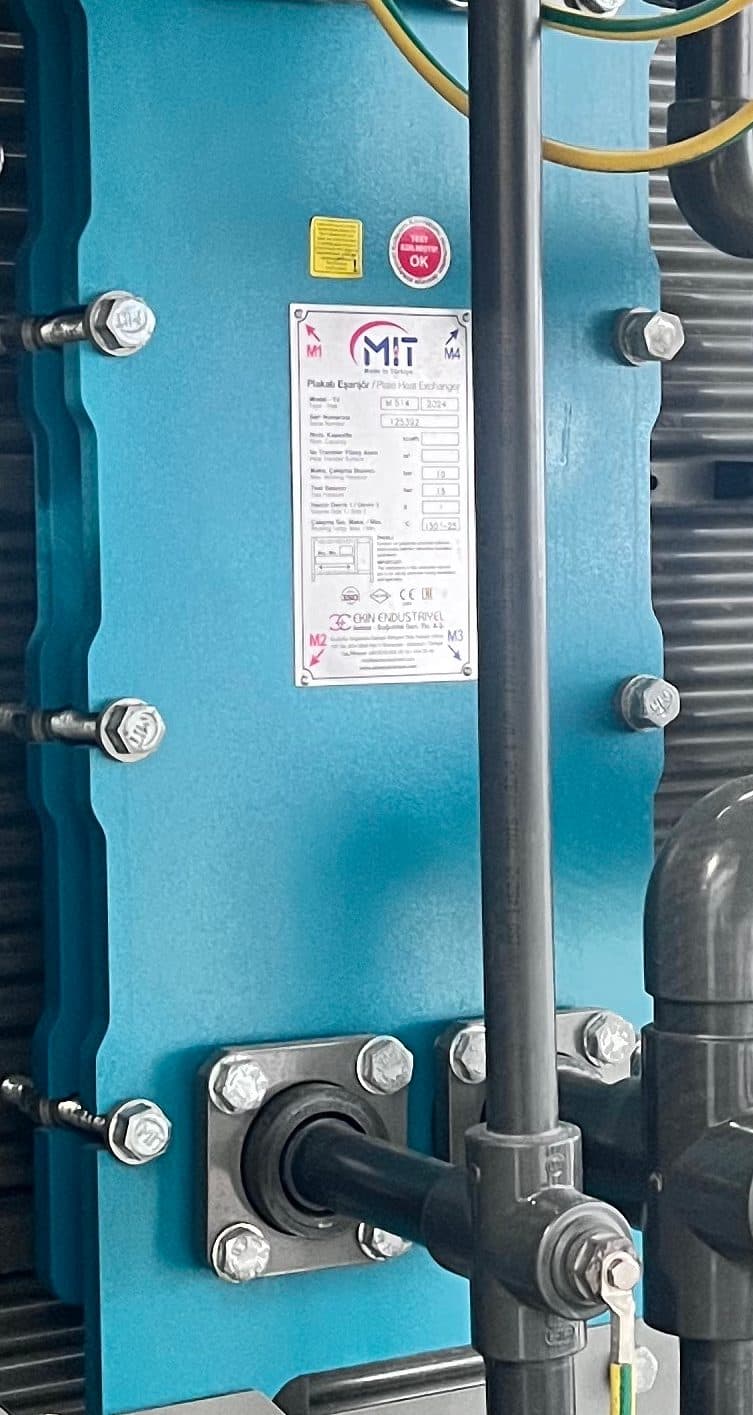
Kemisan developed HypoX® LX Series, featuring an integrated heat exchanger that utilizes the temperature of the end product to heat softened water. This innovative solution eliminates the need for electricity-consuming resistance heaters, optimizing operational efficiency and drastically reducing energy costs.
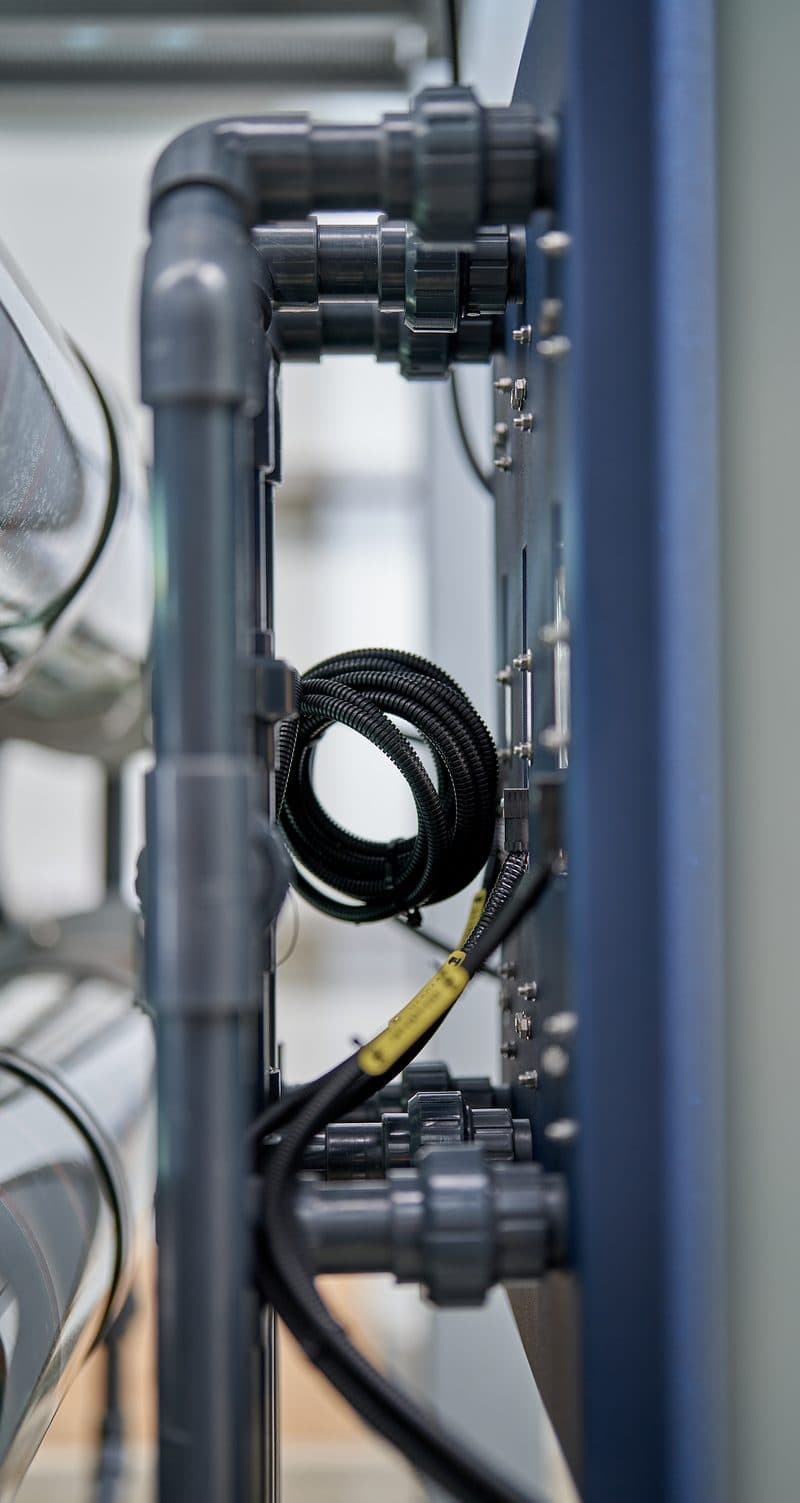
With lower maintenance and operational costs, Jet Eductor can provide a more economical solution in the long run compared to pump usage for brine dosing. Also, Jet Eductor's design is less susceptible to clogging, which means fewer blockages that can require costly troubleshooting.
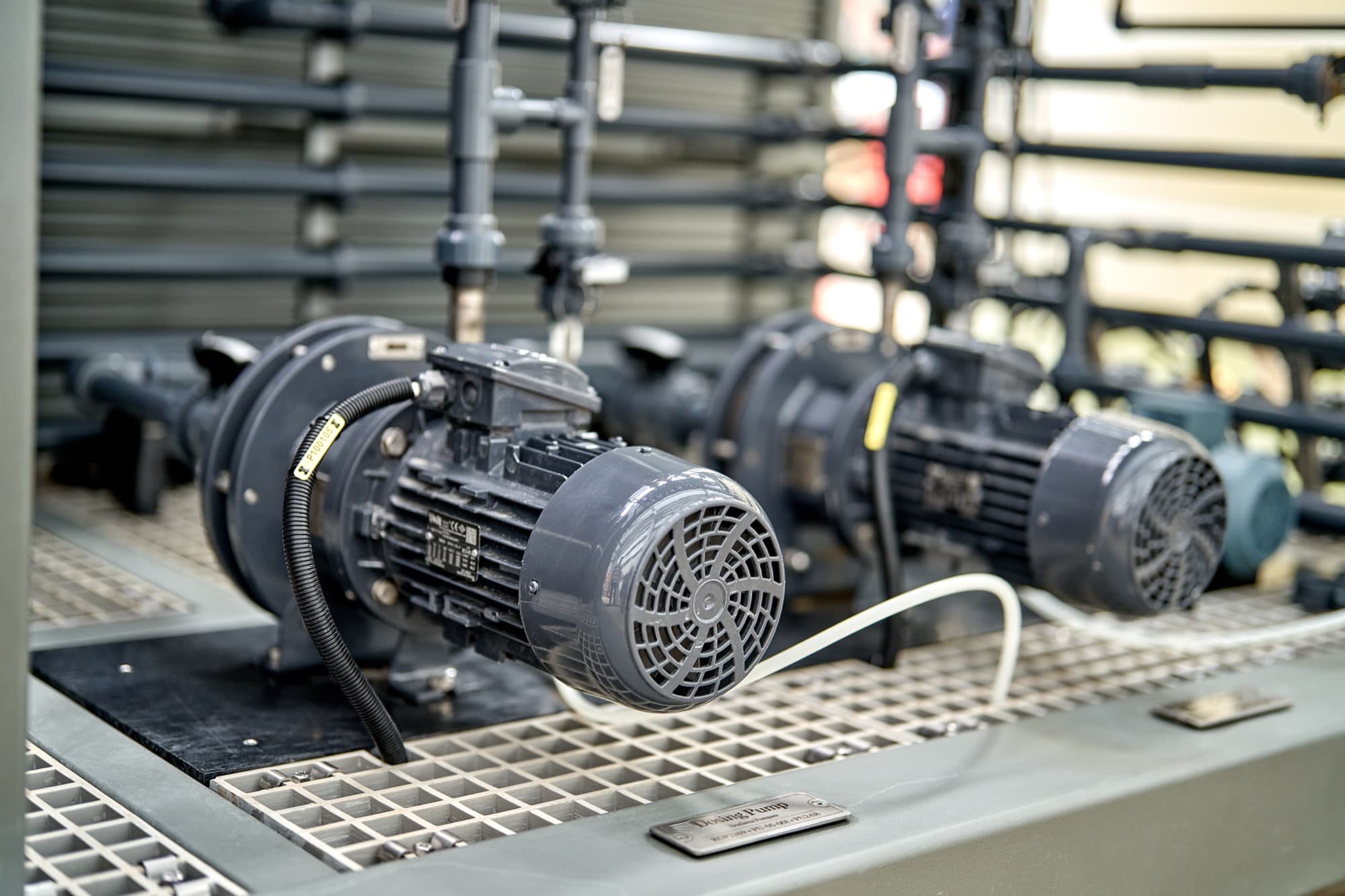
Tubar® requires less maintenance than diaphragm pump because they are designed to operate under high pressure and temperature conditions, making them low-maintenance over time, even needed only seal maintenance in time. However, since diaphragms can wear out or get damaged over time, require more maintenance and more frequent part replacements and repairs.
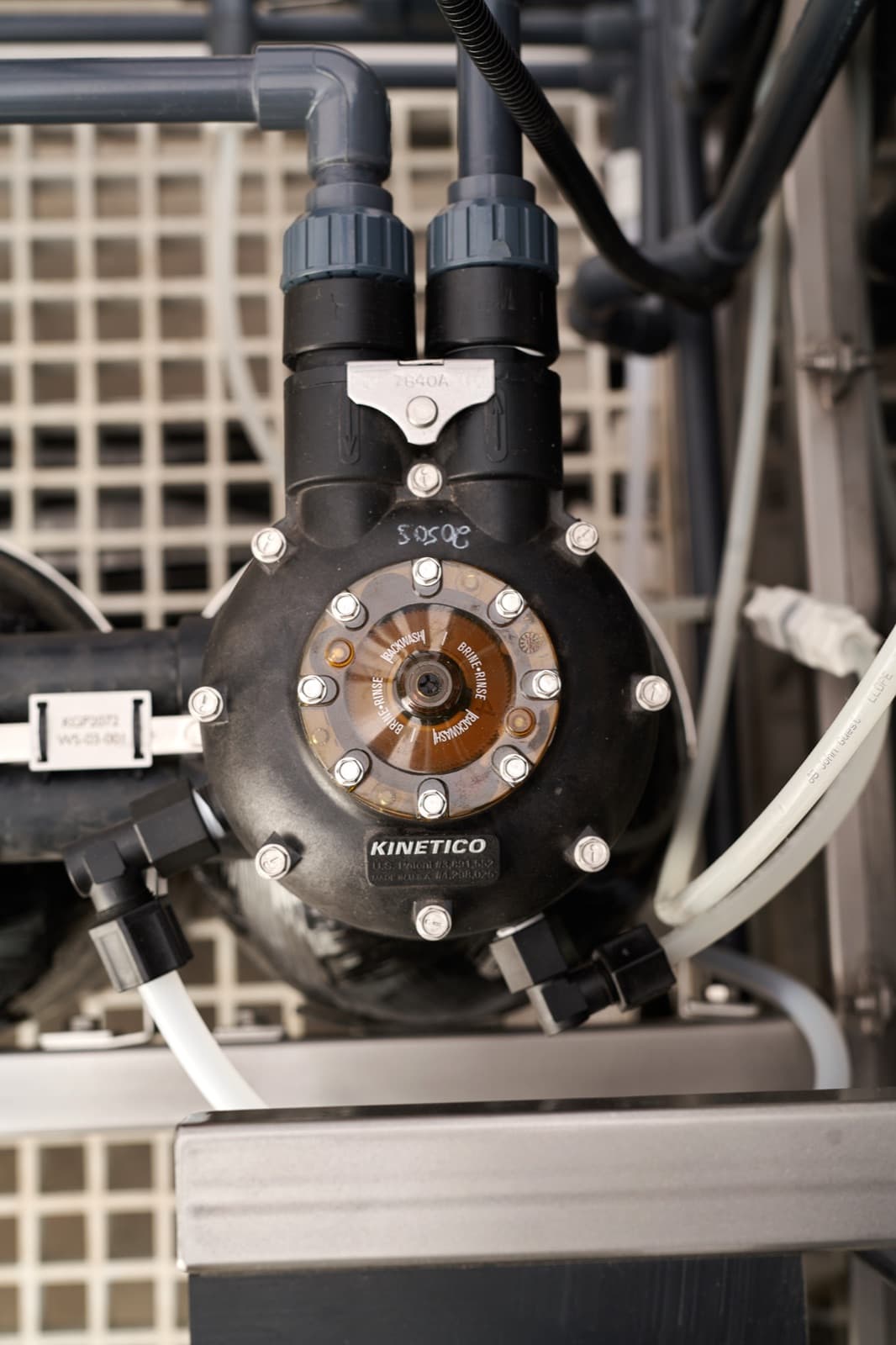
Detailed description coming soon.
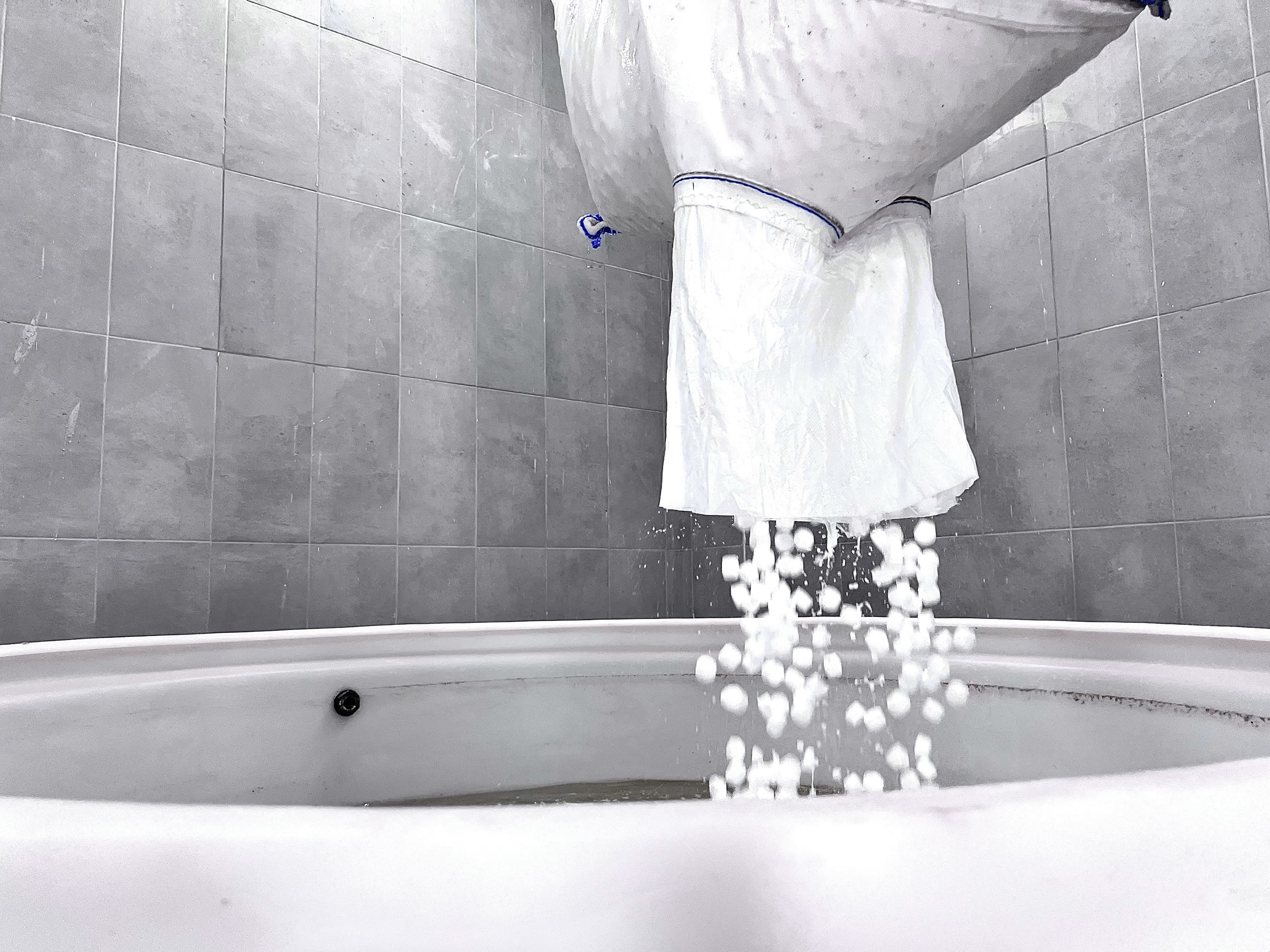
Brine preparation is traditionally one of the most labour-intensive steps in electrochlorination plants — operators have to monitor saturator levels, top up water, and watch saturation by hand. HypoX® LX takes that work off the table: the saturator refills itself, dosing draws from a fully saturated solution, and the only routine task left for the operator is loading salt.
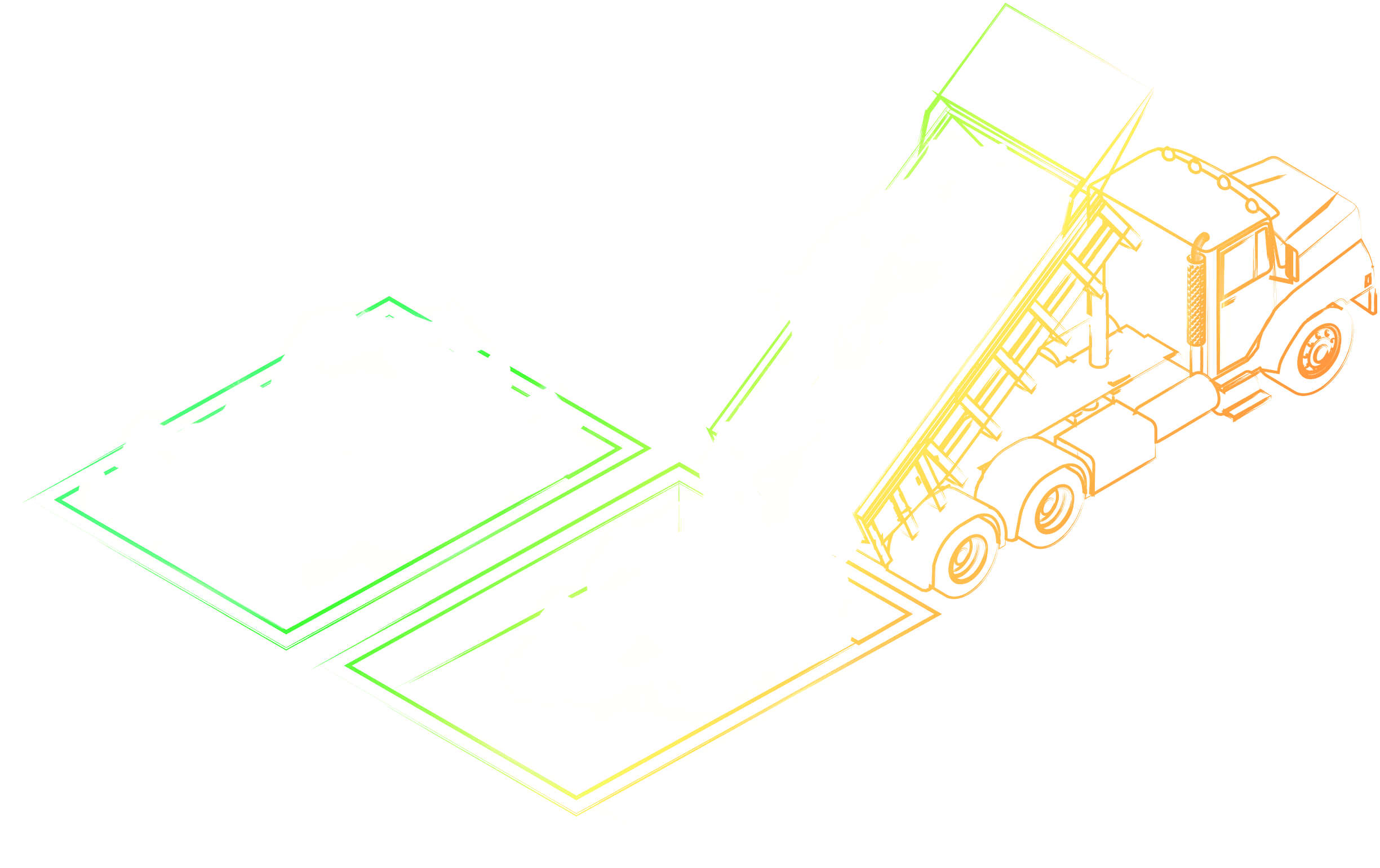
LX Series offers Pit design service according to project requirements. Pit provides easy and fast brine preparation process especially for the businesses which produces high amount of chlorine.
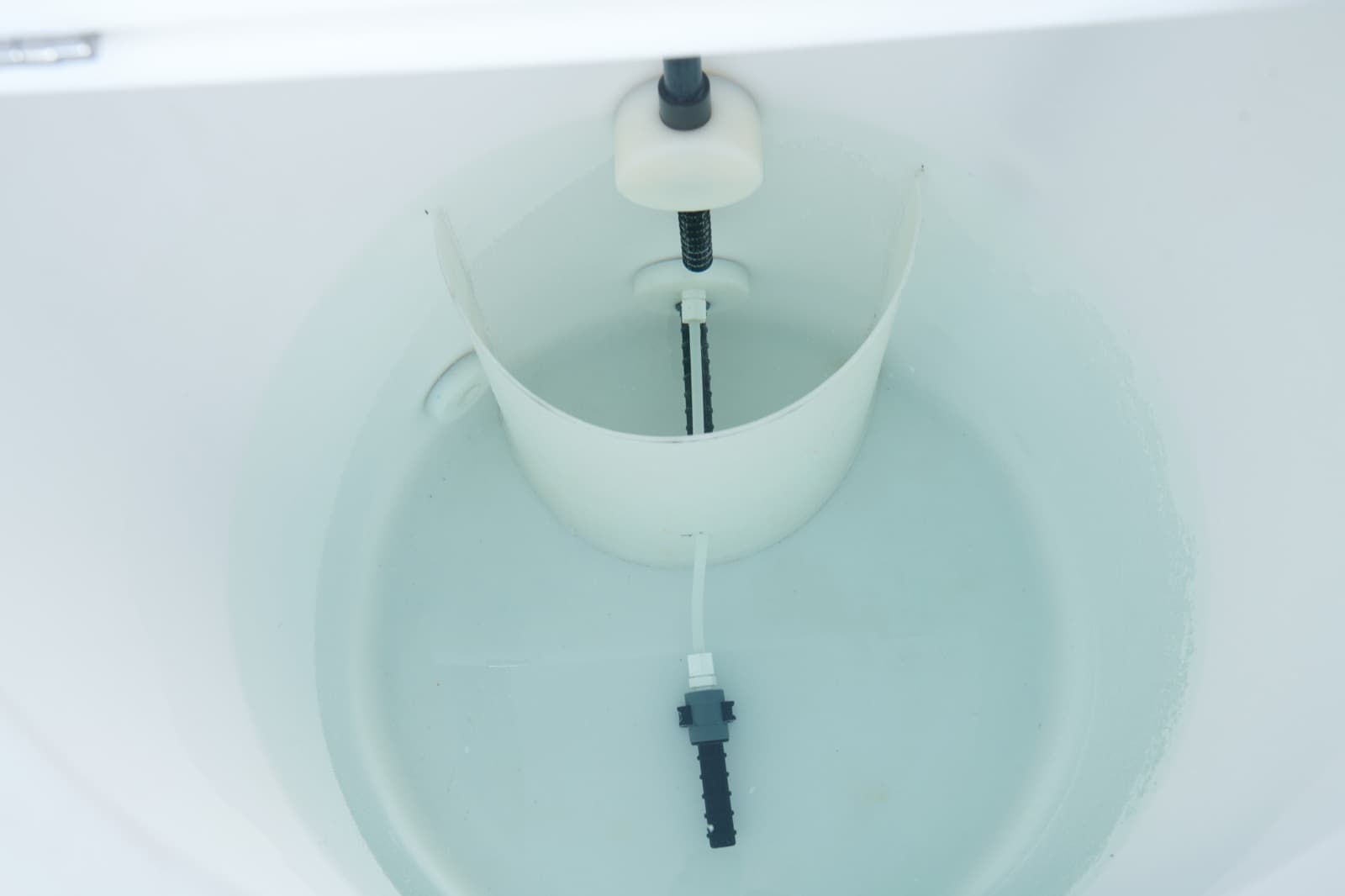
The backwash feature in the brine tank prevents clogging by reversing the water flow to remove sediments and impurities. This helps maintain consistent brine quality and ensures reliable chlorine production. It also reduces the need for manual cleaning, extending equipment life and improving overall system efficiency.
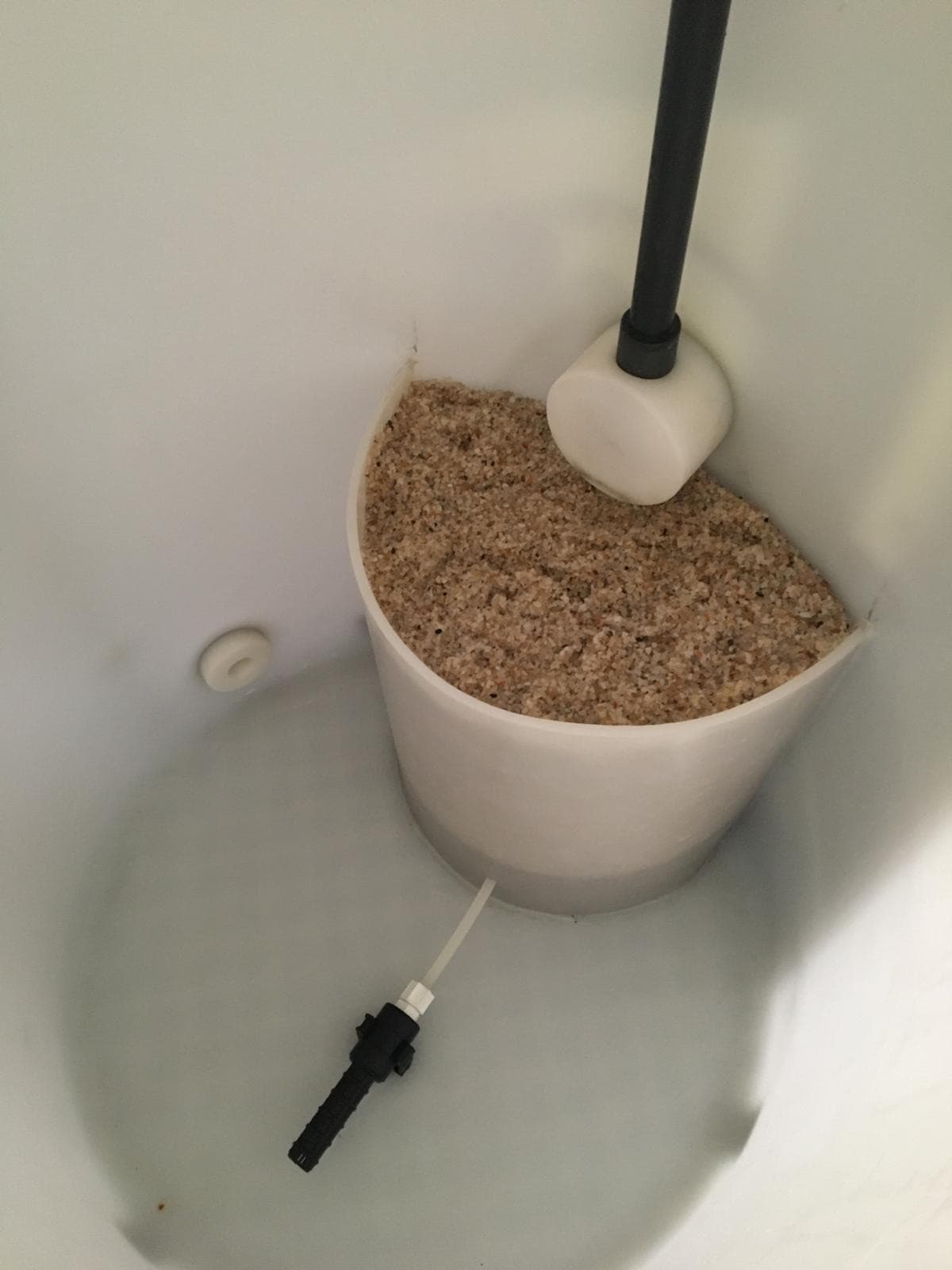
The sand filter in the brine tank removes suspended solids and impurities from the solution, ensuring cleaner and more consistent brine. By protecting the electrolyzer from blockages and fouling, it helps maintain stable chlorine production.
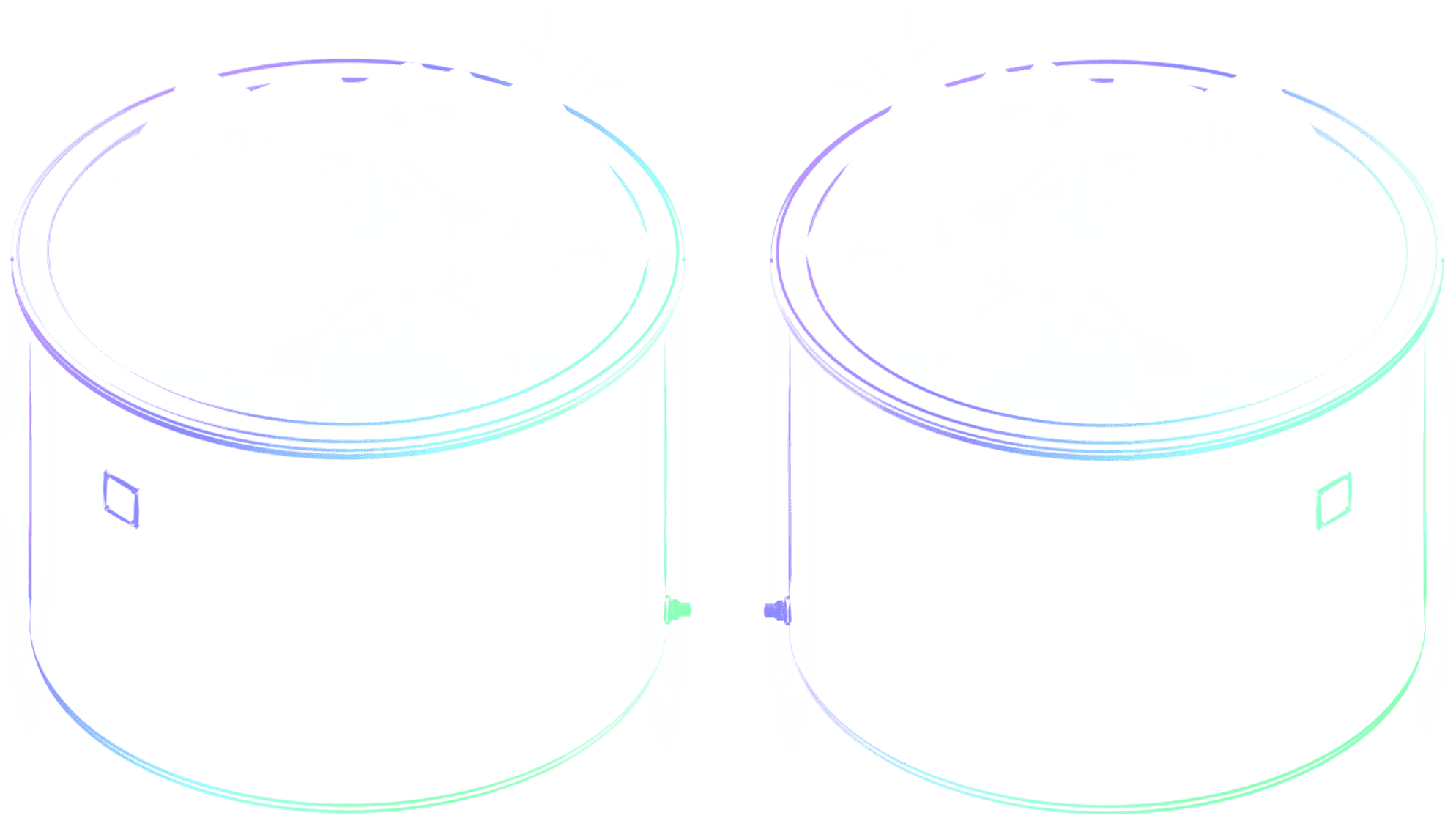
LX Series offers FRP Brine Preparation Tank material options besides PE (Polyethylene). Both are provided with required capacity & configuration.

HypoX®'s Electrode Coating has 5 years guarantee by Kemisan!
Kemisan gives 2 years guarantee for HypoX's overall system and process.
Kemisan its own Tubar® pumps have 5 years guarantee. (excl. motor part)

Kemisan's Jet Eductor® used for Brine dosing is guaranteed for life-time by Kemisan!
What truly matters to us is not how many plants we sell, but how many of our plants are still operating successfully with 99,9% run-time even after many years. Let’s discover how we do it for 50 years!
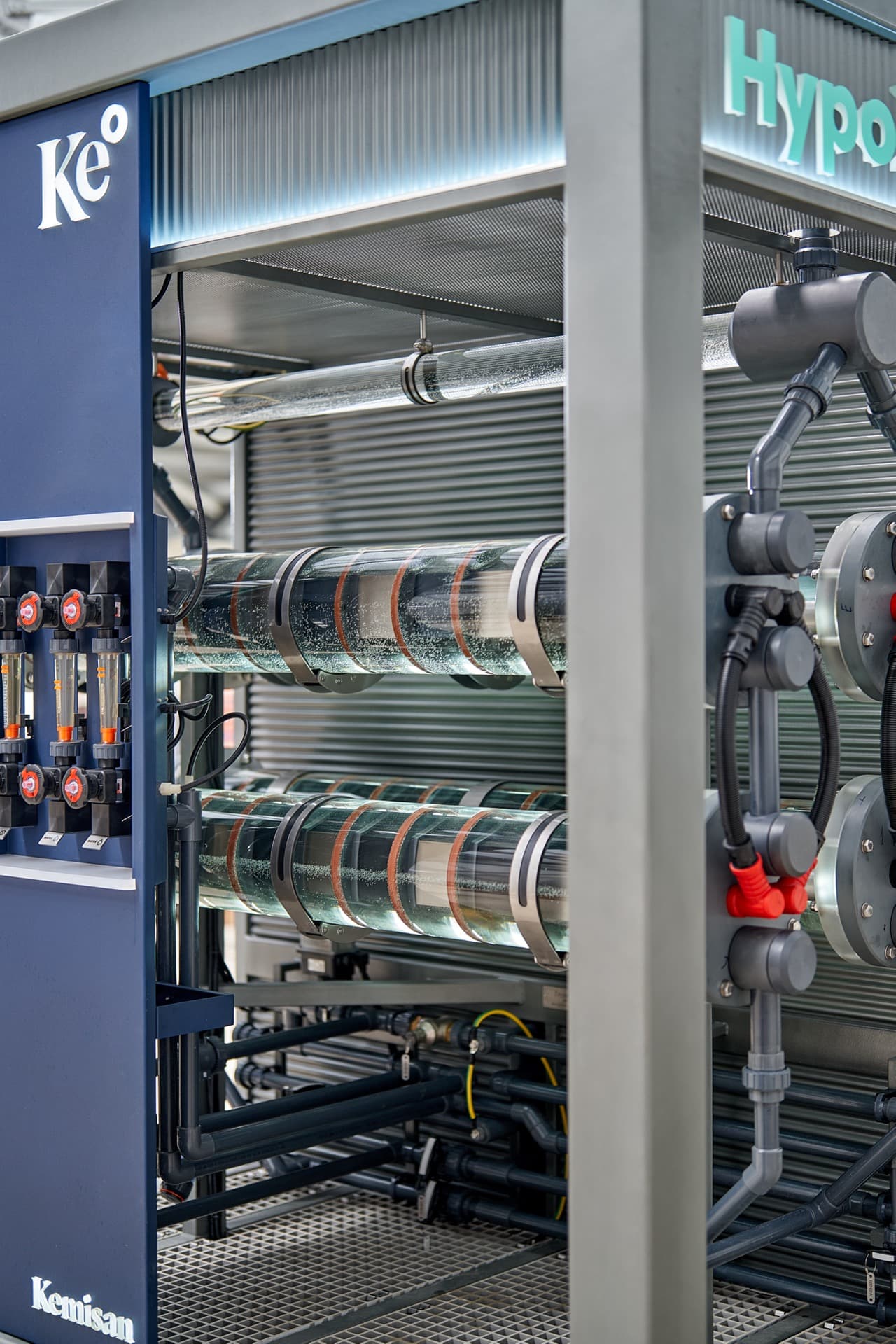
Kemisan is the independent owner and manufacturer of the core electrolysis technology: Electrode Catalytic Coating, which is crucial for the service life and performance of the plants. Unlike other companies that lack this technological capability and rely on third-party vendors for the heart of the system, Kemisan carries out all electrolyzer engineering and electrode catalytic coating processes 100% in-house. This ensures superior quality and complete control over the system's core.
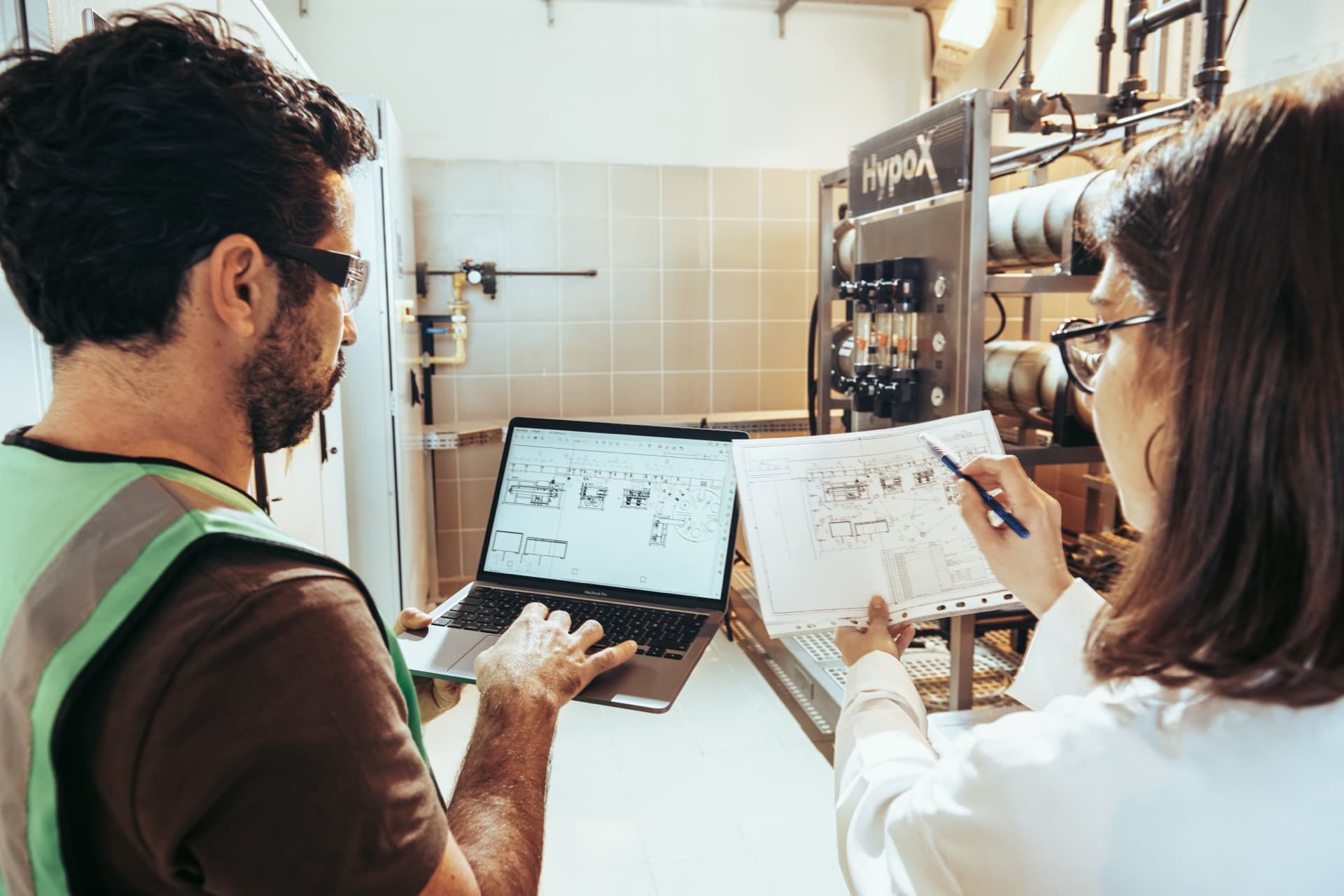
We never allow middleman companies to design and supply some portion of our plants to prevent failures or full stop caused by inharmonious components and equipments, conflicts of guarantee responsibilities, imperfect installation and commissioning and so on.
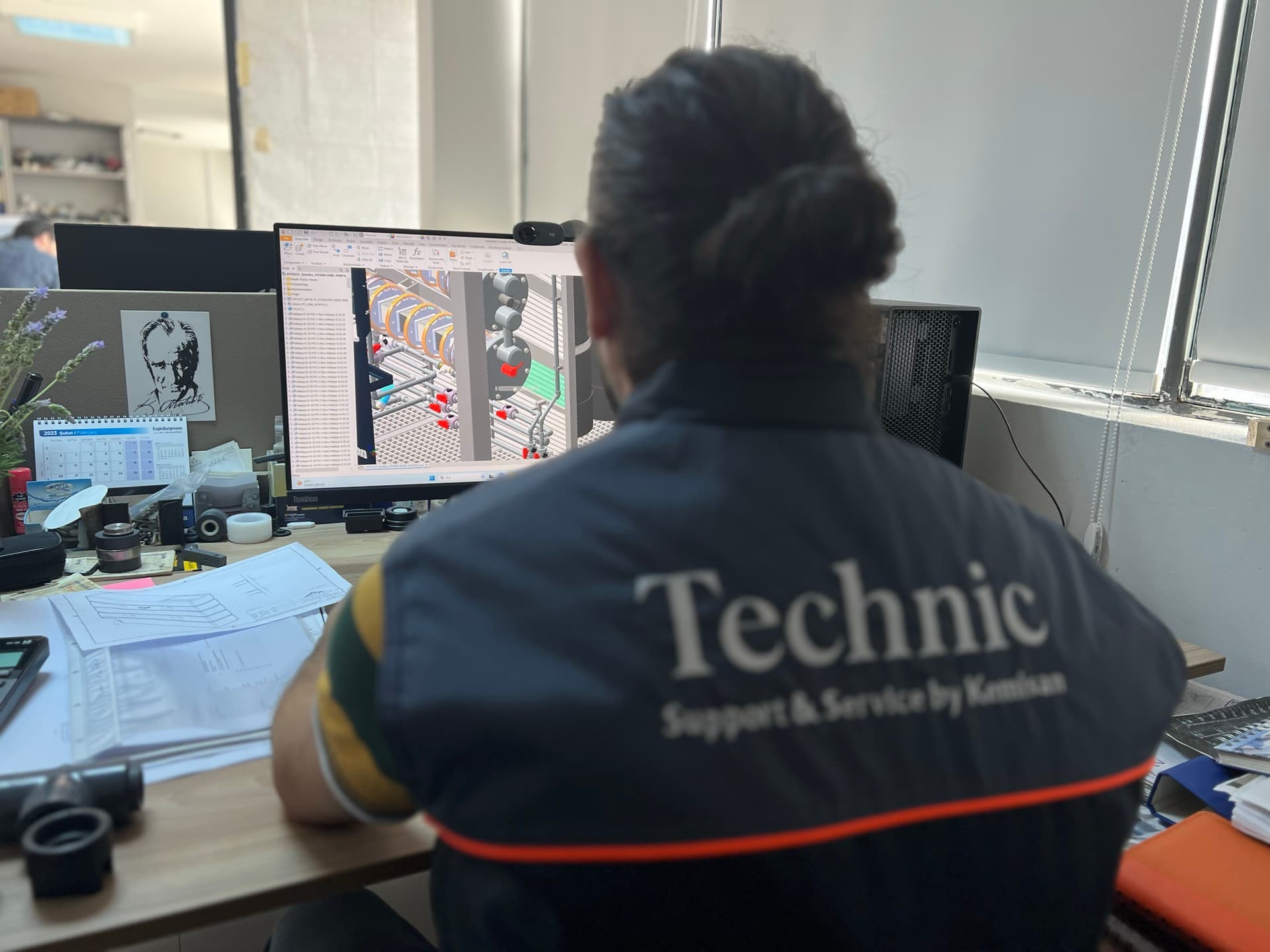
Kemisan independently conducts all design, engineering, and manufacturing activities in-house with a holistic approach, ensuring that every component is designed and produced as part of a seamlessly integrated system. Therefore, Kemisan serves as the single point of authority for all its products and their each components.
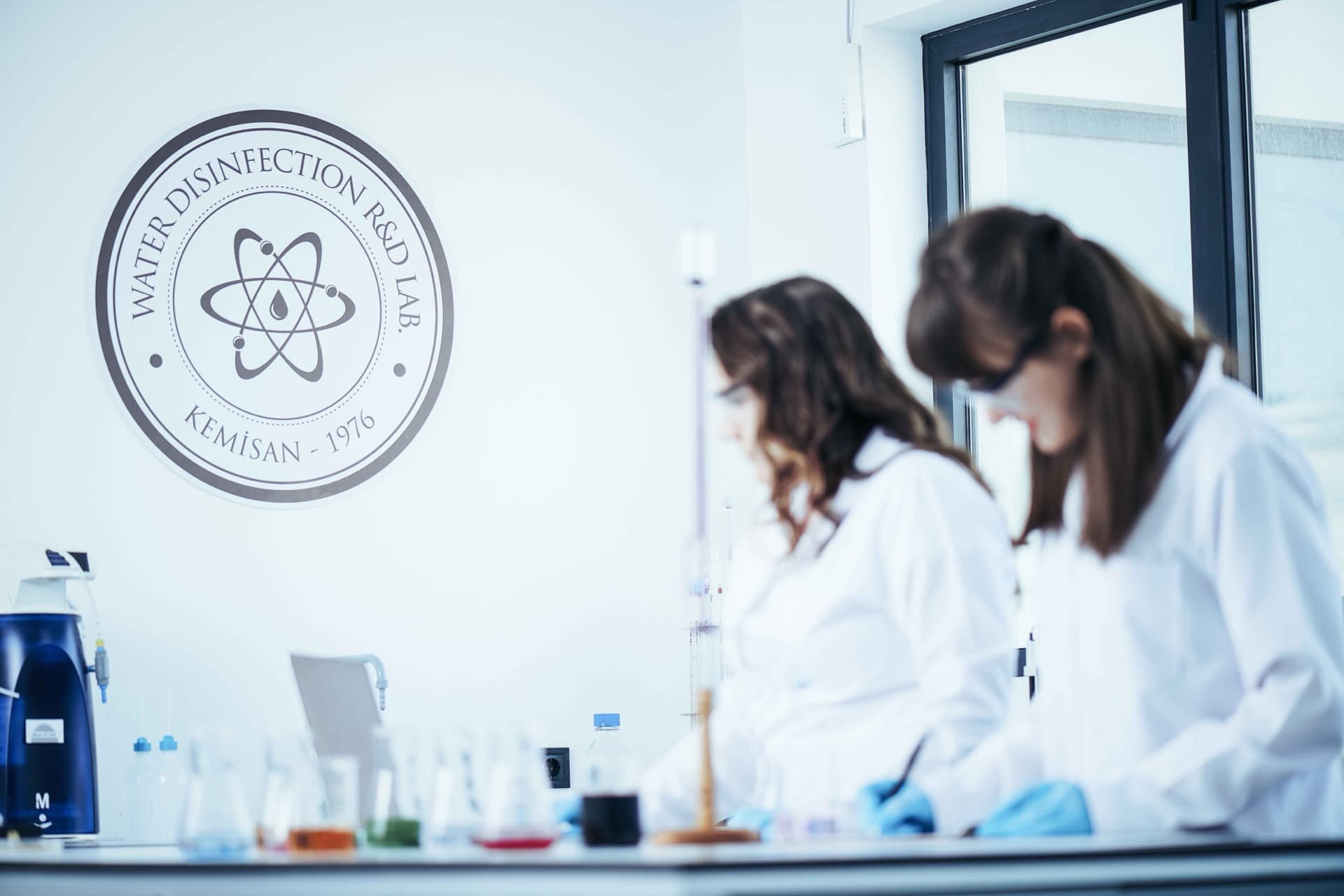
Kemisan's deep-rooted expertise in R&D, engineering and manufacturing process of electrolysis technology—born into it and dedicated solely to its advancement for 50 years. With dedicated focus and commitment, we continuously push the boundaries of electrolysis innovation every single day since 1976.
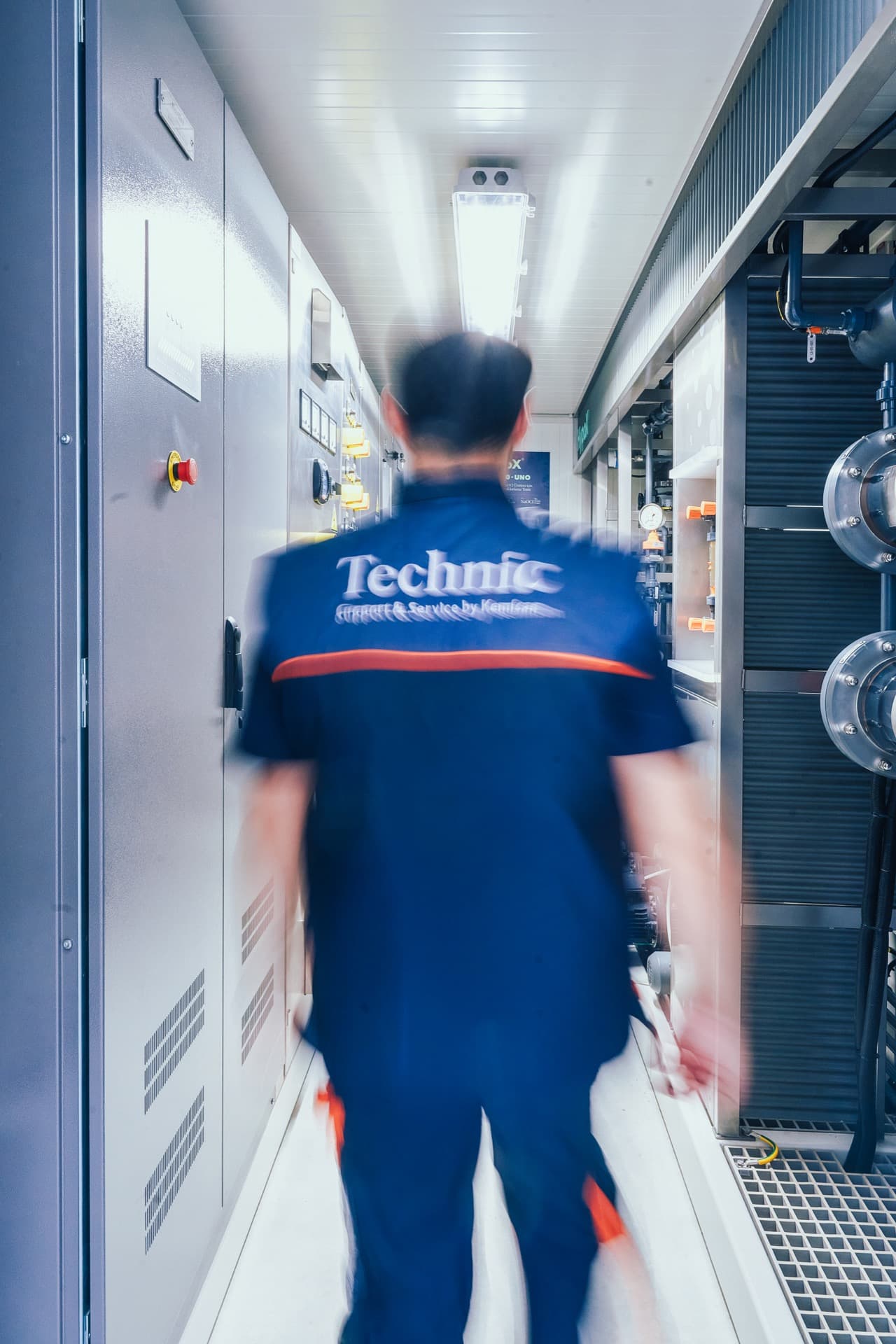
Kemisan® is one of the few manufacturers in the industry that provides both direct and designer-approved technical after-sales support. Our commitment to excellence guarantees reliable, expert assistance from our professional Technic Team—both during and beyond the warranty period.
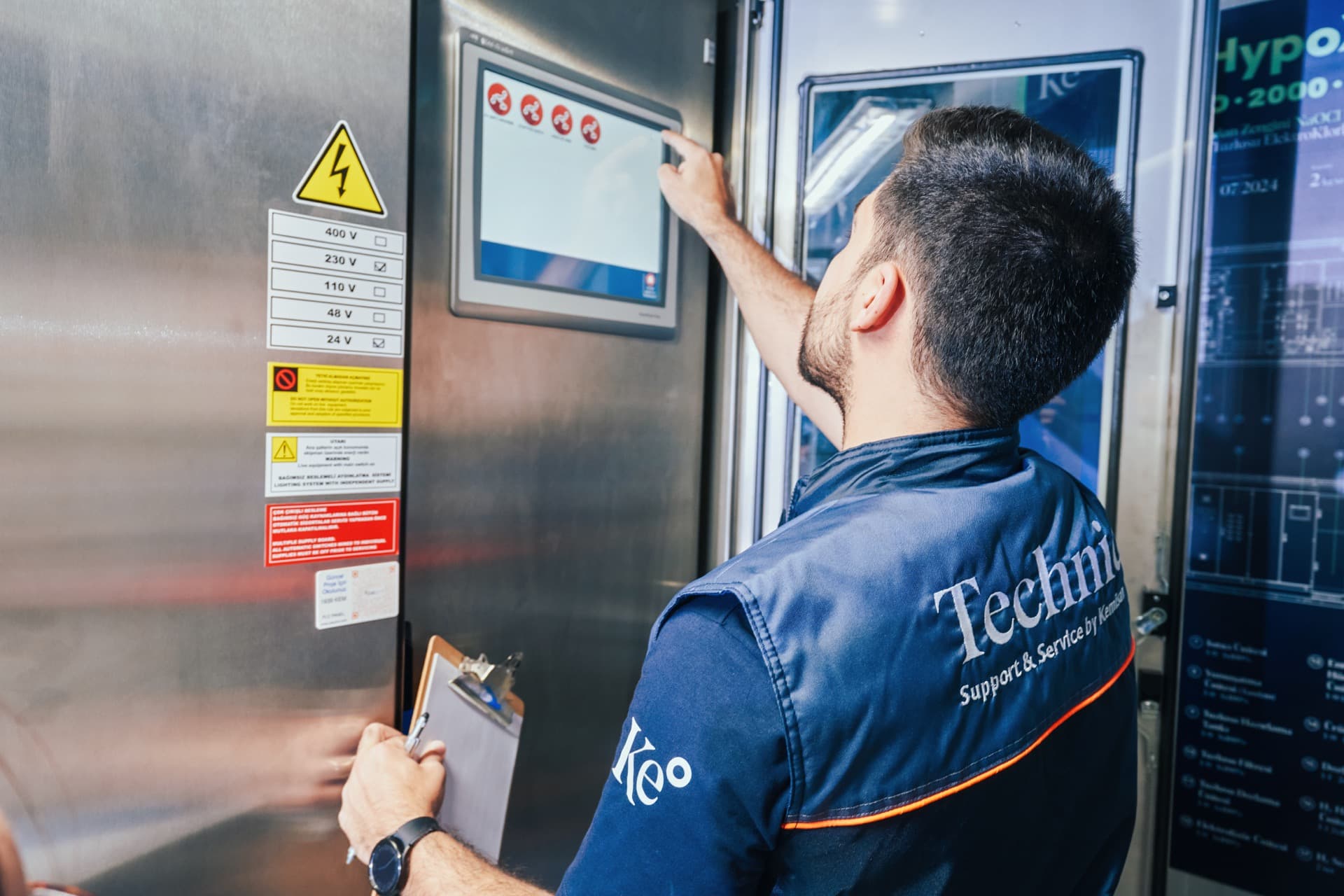
Kemisan provides direct or approved representative services for the installation and commissioning of ElectroChlorination plants. Our goal is to deliver a smooth and efficient setup, ensuring your system is ready to perform at its best from the beginning.
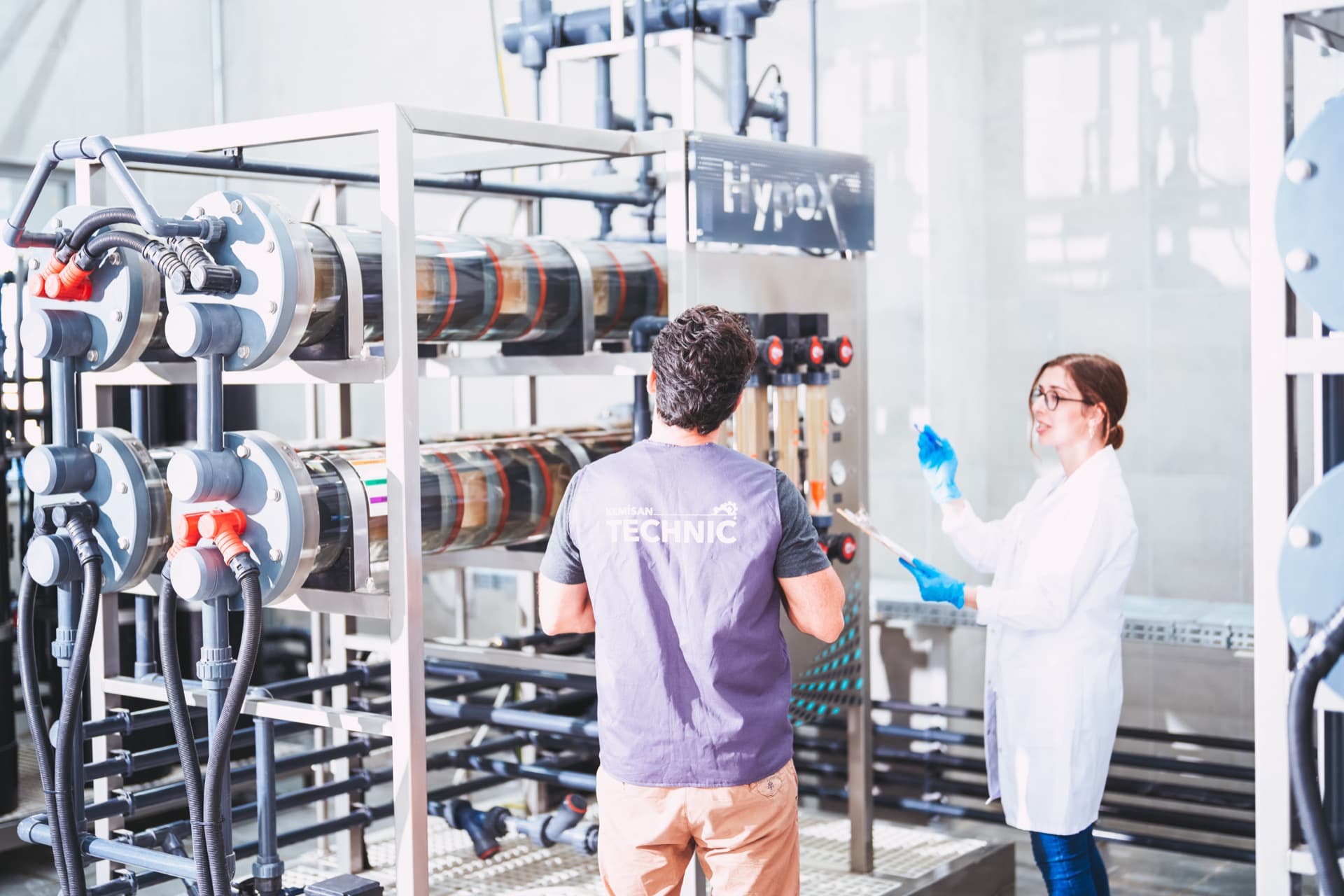
We believe that the perfection of system and process starts with well-trained personnel. Kemisan Academy ensures that your team will be fully prepared with the knowledge and skills necessary to handle all aspects of system operation and maintenance, leading to enhanced performance and reduced downtime of ElectroChlorination systems.
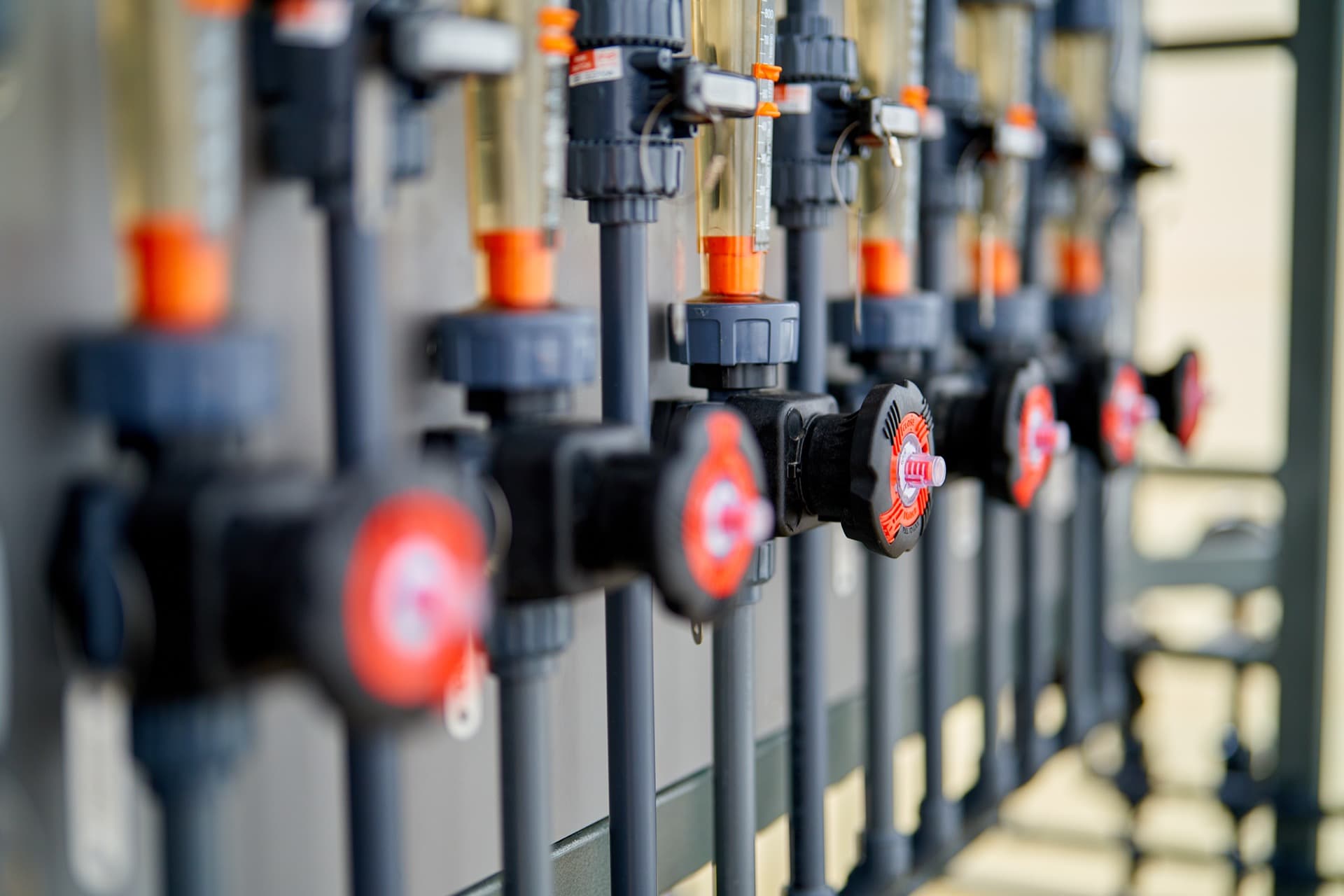
We don't just build electrochlorination plants—we sustain them for a lifetime. Every bolt, pump, or valve has a guaranteed backup, sourced or replaced by us, so you never have to search elsewhere. While others leave you chasing suppliers, we ensure seamless operation with a one-stop spare part solution. Reliability isn't an option—it's our promise.